We’re excited to meet you! New clients receive their first pet exam for just $37



Annual Pet Wellness Checklist: Exams, Vaccines & Health Tips

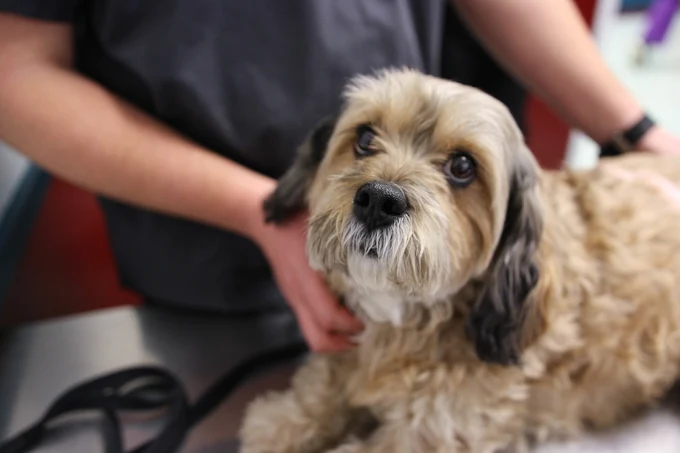
As a pet owner, you want to ensure your furry friend is happy, healthy, and thriving year-round. One of the best ways to achieve this is by following an annual pet wellness routine that includes regular exams, vaccinations, and proactive health tips. These annual checkups and preventative care measures can help detect early health issues, prevent serious conditions, and improve your pet’s quality of life. In this blog post, we’ll walk you through the ultimate annual pet wellness checklist, from exams to vaccines and essential health tips to keep your pet in top shape.
1. Annual Wellness Exams: Your Pet’s Health Foundation
The cornerstone of any wellness routine is a comprehensive annual exam with your trusted veterinarian. During this exam, your vet will conduct a thorough physical checkup, assess your pet’s overall health, and address any specific concerns. A wellness exam includes:
- Physical Health Check: The vet will examine your pet’s eyes, ears, teeth, skin, and coat, looking for signs of infection, inflammation, or disease. They’ll also check your pet’s weight, muscle condition, and overall body condition.
- Vital Signs Monitoring: Your pet’s heart rate, respiration rate, and temperature will be recorded. This helps your veterinarian assess the function of key organs and overall health.
- Behavioral Assessment: If your pet has had any behavioral changes, this is the perfect time to discuss them with your vet. Changes in behavior may signal underlying health issues.
Having these exams done regularly ensures that your pet stays in peak health and helps catch any health concerns early, before they develop into more serious issues.
2. Vaccinations: Protecting Your Pet’s Health
Vaccines are essential in preventing serious and potentially fatal diseases in pets. Depending on your pet’s age, breed, and lifestyle, your veterinarian will recommend the necessary vaccines for your pet. Common vaccines for cats and dogs include:
- Core Vaccines for Dogs:
- Rabies: Required by law in many places, rabies is a deadly virus that affects the brain and is transmitted through animal bites.
- Distemper: A viral disease that affects the respiratory, gastrointestinal, and nervous systems.
- Parvovirus: A highly contagious virus that causes severe gastrointestinal illness.
- Core Vaccines for Cats:
- Rabies: Like in dogs, rabies vaccination is crucial for cats.
- Feline Distemper (Panleukopenia): A highly contagious viral infection that can cause severe illness and death in cats.
- Feline Herpesvirus and Calicivirus: These viruses cause upper respiratory infections and can lead to more serious issues.
In addition to core vaccines, your veterinarian may also recommend non-core vaccines based on your pet’s risk factors. For instance, pets that spend time outdoors or travel frequently might need vaccines for Lyme disease, Leptospirosis, or Bordetella (kennel cough).
3. Parasite Control: Preventing Fleas, Ticks, and Worms
Parasite prevention is another essential aspect of your pet’s annual wellness plan. Fleas, ticks, and worms can cause discomfort and, in some cases, lead to serious health problems. Your vet will recommend a parasite prevention plan tailored to your pet’s needs.
- Flea and Tick Prevention: These parasites are more than just annoying—they can transmit diseases like Lyme disease and Ehrlichiosis. Monthly flea and tick preventatives, such as oral medications, topical treatments, or collars, are often recommended.
- Deworming: Intestinal worms can cause serious health issues in pets, including weight loss, vomiting, and diarrhea. Deworming medications are typically administered annually to help prevent common parasites like roundworms, hookworms, and tapeworms.
- Heartworm Prevention: Heartworm disease, transmitted by mosquitoes, can lead to severe heart and lung damage. Your vet will recommend a heartworm prevention plan, typically in the form of monthly medications or an annual injection.
4. Dental Health: Keeping Your Pet’s Teeth Clean and Healthy
Dental disease is one of the most common health issues in pets. In fact, studies show that by age three, most pets will have some form of dental disease. To keep your pet’s teeth and gums in good condition, regular dental checkups and cleanings are essential.
Your vet will inspect your pet’s teeth and gums during their annual exam to check for signs of plaque, tartar buildup, gingivitis, or other dental issues. Depending on the severity, your vet may recommend a professional cleaning or offer at-home dental care tips. Brushing your pet’s teeth regularly, using dental treats or toys, and providing water additives can also help keep their mouths fresh and healthy.
5. Nutrition and Weight Management: Tailored Diet for a Healthy Pet
Proper nutrition is the foundation of your pet’s health. Your veterinarian can recommend the best food for your pet’s breed, age, and health conditions. Regular weight monitoring is also crucial, as obesity can lead to a range of health issues such as joint problems, heart disease, and diabetes.
If your pet has special dietary needs, your veterinarian may suggest a weight loss or maintenance plan. They will also provide guidance on portion sizes and feeding schedules to ensure your pet gets the right amount of nutrients.
6. Grooming and Coat Care: Healthy Skin, Shiny Coat
Regular grooming is not only essential for keeping your pet clean but also plays a role in monitoring their overall health. Brushing your pet’s fur helps prevent mats, tangles, and hairballs, while also promoting healthy skin. It also allows you to check for skin conditions like hotspots, dry patches, or unusual lumps.
If you have a breed that requires professional grooming, be sure to schedule regular grooming appointments to keep your pet looking and feeling its best.
Annual wellness exams are essential for maintaining your pet’s health and longevity. From routine exams to vaccinations, parasite prevention, and dental care, taking these steps will help ensure that your pet stays happy and healthy throughout the year. If you are in Levittown, NY, and want to keep your pet on track with regular wellness exams, be sure to contact our local veterinary hospital. Regular checkups are one of the best investments in your pet’s health, allowing you to catch any potential issues early and ensure they live a long, healthy life.
FAQs
Q1. How often should my pet have wellness exams?
Ans. Pets should have a wellness exam at least once a year. Older pets or those with health issues may require more frequent visits to ensure they stay healthy.
Q2. What vaccines does my pet need every year?
Ans. Core vaccines such as rabies, distemper, and parvovirus are typically required yearly. Additional vaccines may be recommended based on your pet’s risk factors.
Q3. Can my pet get dental disease even if I brush their teeth?
Ans. Yes, even with regular brushing, pets can still develop dental issues. Regular professional cleanings are necessary to maintain healthy teeth and gums.
Q4. What are the signs that my pet needs a wellness exam?
Ans. If your pet shows signs like lethargy, changes in appetite, weight gain, or unusual behavior, it’s time for a wellness exam. Regular exams help catch issues early.
Q5. Are there any benefits to parasite prevention beyond fleas and ticks?
Ans. Yes, preventing parasites like heartworms and intestinal worms is crucial to your pet’s health. These parasites can cause serious internal damage if left untreated.
Q6. Can I skip wellness exams if my pet seems healthy?
Ans. Even healthy pets should have annual wellness exams. Preventive care is key to spotting health issues early and ensuring your pet lives a long, happy life.