We’re excited to meet you! New clients receive their first pet exam for just $37


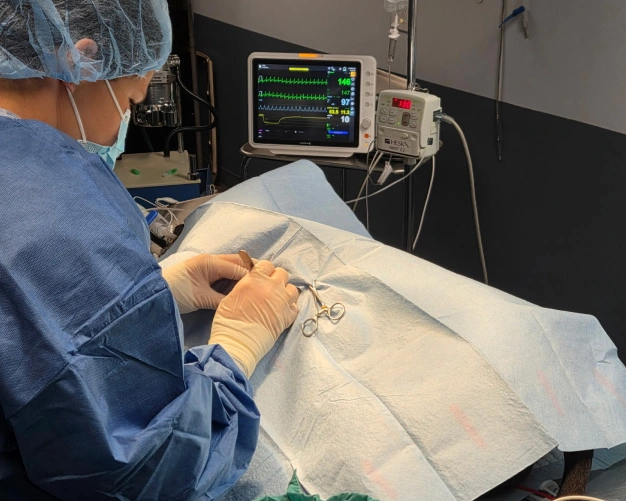
Compassionate Care Before and After Surgery
We understand that the idea of your pet undergoing surgery is enough to make even the most laid-back pet owner a bit anxious. But from routine procedures to advanced and life-saving surgeries, our team has the experience you need to feel confident that your pet is in the best possible hands.
General & Advanced Surgery
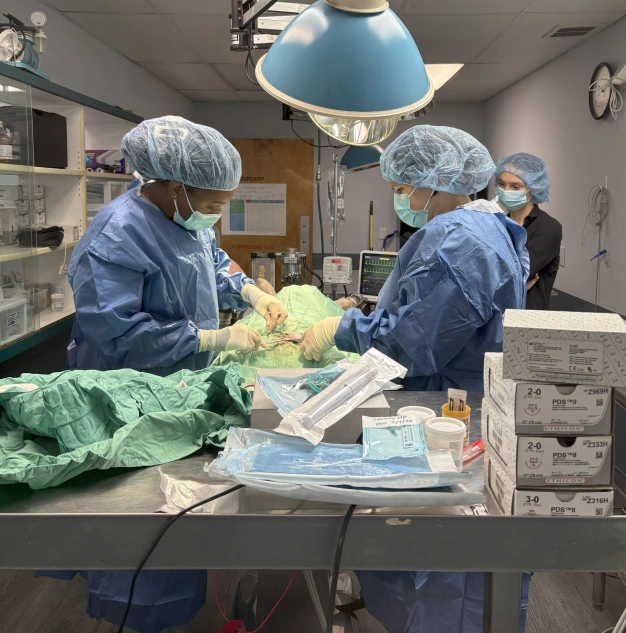
At Levittown Animal Hospital, we understand that surgery can be stressful, for both you and your pet. We strive to make your pet comfortable and ease the anxiety that you are experiencing as well. We are highly trained and experienced in an array of surgical procedures and guarantee to keep you involved every step of the way. Not only will we rigorously monitor your pet before, during, and after surgery, we promise to keep you informed about what the procedure entails in terms of cost, necessity, and post-operative care.
Spay/Neuter Procedure
We strongly recommend all dogs and cats be sterilized to reduce sexual instincts, unwanted behaviors, and the chances of infection and disease. Our veterinarians are highly trained to perform spay and neuter procedures. We guarantee your companion will be closely monitored, safe, and comfortable throughout the entire procedure and recovery period.
Neutering involves the surgical removal of the testicles. This procedure will lessen aggressive behaviors, decrease the urge to roam, and prevents testicular cancer and prostate disease. We will perform a pre-operative physical exam and blood testing to ensure safety during surgery and while under anesthesia. Typically, recovery is simple with minimal aftercare.
Spaying involves the surgical removal of the ovaries and uterus in order to eliminate heat periods and the possibility of pregnancy. This procedure typically occurs between 4-6 months of age, and preferably prior to first heat. Aside from preventing heat and pregnancy, spaying your female pet will eliminate the risk of uterine infections, and ovarian/uterine tumors. It can also decrease the risk of malignant breast cancer by 90% when performed before the first heat cycle. We will perform a pre-operative physical exam and blood testing to ensure safety during surgery and while under anesthesia.
Foreign Body Removal
A foreign body is anything ingested by your pet that is not digestible. At times, these foreign objects will pass through the gastrointestinal tract fairly easily, however, it is not uncommon for foreign objects to become lodged along the GI tract which can lead to serious and threatening medical conditions.
Depending on the size of your pet and the size of the foreign body ingested, the object can get stuck in different areas of the GI tract. Large objects such as bones cannot pass through the stomach, whereas smaller objects such as gravel can make its way into the intestines. One of the most dangerous consumed foreign bodies is string. String can get twisted and turned in the small intestine potentially leading to a condition called linear foreign body. This may cause sections of the small intestine to lose blood flow, which leads to tissue death. If the bunch becomes too tight, the string may even cut through the wall of the small intestine.
If you think your pet may have consumed a foreign object, call us right away! During your appointment, we will take x-rays to help locate the foreign object along the GI tract so a treatment plan can be developed. If the foreign object cannot naturally pass through the body, we will induce vomiting or remove the object by endoscope or surgery. In most cases, surgery is required. If the small intestine is blocked, the damaged sections will also need removed.
General Signs of a Gastrointestinal Tract Obstruction Include:
- Decreased appetite
- Lethargy
- Depressed attitude
- Vomiting
- Tense abdomen
- Abnormal stools (diarrhea, constipation, odd color)
- Pale gums
- Weakness
Common Objects That Need Surgically Removed:
- Socks
- Balls
- Chew toys
- Bones
- Hair ties
- Rocks
- Pantyhose
- Underwear
- Sticks
Orthopedic Surgery
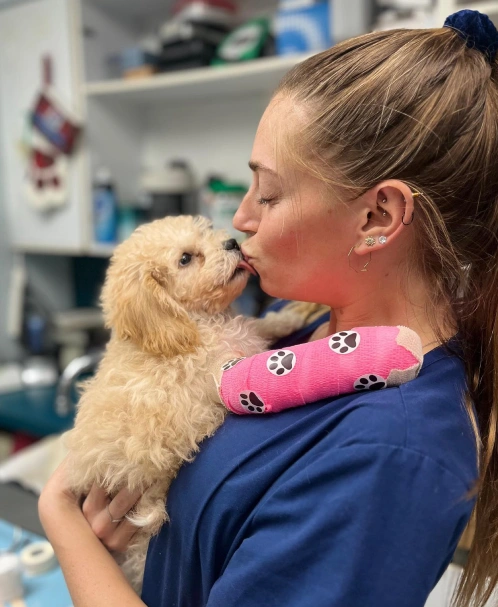
Congenital diseases and acquired injuries of the bones, joints, and spine require more than simple first-aid. Symptoms of common and severe bone or joint issues include lameness, lethargy, withdrawal, unwillingness to jump down or climb up short distances, aggression, and irritability. Oftentimes, the only present symptom of pain or injury is a change in your pet’s personality!
We are trained to treat patients using the most modern bone plating, pinning, and fixation equipment and techniques. Levittown Animal Hospital is trained to perform orthopedic surgeries involving repairs of fractures or dislocations, laceration repair, cruciate ligament tears, and luxating patellas. If there is severe, irreversible damage, we are able to perform partial or complete limb amputations.
All surgical and treatment options will be discussed with you, including advantages and disadvantages, so you can make the most informed and beneficial decision regarding your pet’s health.
Tumors & Growths
Tumors and growths are common in geriatric patients, however, growths can appear at any age. While a tumor or lump may not be malignant, it may be advantageous to remove them. Each case is evaluated individually and issues such as age, potential for malignancy, size, and location are considered when making a recommendation. Needle aspiration can rule out malignancy and could help us avoid an unnecessary surgery.
Soft Tissue Surgery
Soft tissue surgery encompasses a majority of procedures that fall outside of orthopedic surgery, such as cardiovascular, hepatic, gastrointestinal, urogenital, reconstructive, and oncological surgeries.
