We’re excited to meet you! New clients receive their first pet exam for just $37



First Vet Visit for Kittens: Tips Every Pet Parent Should Know

Bringing home a kitten is an exciting and joyful experience. However, one of the first tasks every new pet parent should consider is scheduling their kitten’s first vet visit. The early months of your kitten’s life are crucial for their health and well-being. This first visit to the veterinarian will lay the foundation for a long, healthy relationship with your furry companion. In this blog, we’ll provide a guide on how to prepare for your kitten’s first vet visit, ensuring the experience is as smooth and stress-free as possible for both you and your kitten.
1. Choose the Right Veterinarian for Your Kitten
Before your kitten’s first visit, it’s essential to find a trusted veterinarian. Look for a veterinary clinic that is convenient, reputable, and has experience with kittens. Many veterinarians specialize in pediatric care and understand the unique needs of young pets. When researching veterinarians in Levittown, NY, check online reviews, ask for recommendations from other pet owners, or visit the clinic beforehand to assess the atmosphere.
Make sure the vet offers a welcoming environment for kittens and their owners. A calm, patient approach is crucial to making your kitten’s first experience positive and non-traumatic.
2. Schedule the Appointment Early
Kittens typically receive their first set of vaccinations around eight weeks of age, so it’s important to schedule the visit as soon as possible. You can call the clinic and request an appointment or ask about any special protocols they may have for new kitten patients. Also, ask about the veterinarian’s availability, ensuring you choose a time when you won’t be rushed and can give your full attention to your kitten’s health.
In some cases, if you’ve adopted your kitten from a shelter, they may already have had their first check-up. If that’s the case, the initial visit may be a follow-up to monitor your kitten’s growth and health.
3. Gather Important Information About Your Kitten
Before the appointment, gather any relevant information about your kitten’s history. This includes their age, breed, diet, and any symptoms or concerns you may have. If you adopted your kitten, ask the shelter or breeder for any health records or vaccination history they may have. This information helps the vet understand your kitten’s health status and tailor any recommendations or treatments.
If your kitten has been experiencing any health issues, such as changes in eating habits, coughing, or lethargy, be sure to mention these during the visit. It’s helpful to keep a list of questions you may have for the vet, such as advice on feeding, play, or behavior.
4. Prepare Your Kitten for the Trip
The key to making your kitten’s first vet visit as stress-free as possible is preparation. Start by getting your kitten used to their carrier, which will be essential for the trip. If your kitten is not yet accustomed to the carrier, make it a positive experience by leaving it open in your home and placing toys or treats inside. Gradually get your kitten comfortable with being inside the carrier before the appointment.
On the day of the appointment, make sure your kitten is secure in the carrier. Avoid using the carrier as a punishment, as your kitten may associate it with negative experiences. Place a blanket or towel inside the carrier to help calm your kitten, and consider adding a familiar scent, like a piece of your clothing.
5. Bring Necessary Items
While you’re likely to be focused on your kitten’s health, there are a few essential items to bring along to the appointment. These include:
- Kitten’s Medical History: Any previous vaccination records or health documents from the breeder or shelter.
- Carrier: Ensure the carrier is well-ventilated and secure for the ride to the vet.
- List of Questions: Bring a written list of questions regarding diet, behavior, vaccinations, or any concerns you have about your kitten’s health.
Having everything prepared ahead of time will make the visit smoother for both you and your kitten.
6. Expect a Thorough Examination
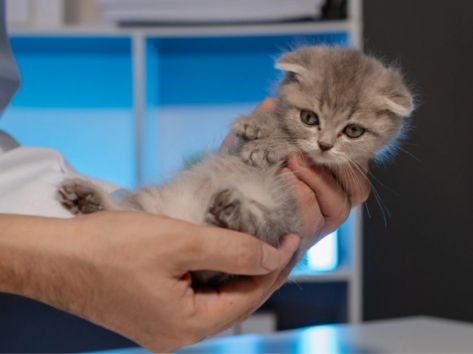
At the vet’s office, your kitten will undergo a thorough health check. During the exam, the veterinarian will check for any signs of illness, assess your kitten’s overall growth, and perform the necessary vaccinations. The vet will also:
- Check vital signs like heart rate, temperature, and breathing.
- Examine the eyes, ears, and teeth for any signs of infection or abnormalities.
- Palpate the abdomen to check for any swelling or discomfort.
- Perform parasite screening to check for worms or fleas.
If your kitten is not already spayed or neutered, your vet may discuss when to schedule this procedure, which is typically done around five to six months of age.
7. Stay Calm and Positive
Your kitten will pick up on your emotions, so it’s important to stay calm and reassuring. If you appear anxious or stressed, your kitten may become anxious as well. Remain calm, speak in a soothing voice, and offer comfort to your kitten throughout the appointment. This will help your kitten associate the vet visit with a positive experience.
8. Follow-Up Care and Future Appointments
After the exam, your veterinarian will provide guidance on how to care for your kitten as they grows. This may include advice on diet, vaccinations, and general health tips. Be sure to ask about any follow-up visits, especially if your kitten requires additional vaccinations or treatments.
It’s important to schedule follow-up appointments to ensure your kitten continues to grow and develop healthily. Regular vet visits every six months or as recommended by your veterinarian will help keep your kitten on track with their health needs.
Preparing for your kitten’s first vet visit is an essential step in providing them with a long, healthy life. By choosing a trusted veterinarian, gathering the necessary information, and ensuring your kitten is comfortable with the carrier and the trip, you’re setting the stage for a positive experience. Regular wellness exams will help detect any potential issues early, ensuring that your kitten grows into a healthy and happy adult cat.
If you’re in Levittown, NY, and searching for a trusted veterinarian, visit Levittown Animal Hospital for expert care and guidance during your kitten’s first vet visit and throughout their life. A proactive approach to your kitten’s health is the best investment you can make for their future.
FAQs
Q1. When should I take my kitten to the vet for the first time?
Ans. Your kitten’s first vet visit should be scheduled around 8 weeks old for vaccinations, wellness exams, and to discuss their care needs.
Q2. What vaccinations will my kitten need?
Ans. Your kitten will need core vaccinations like rabies, feline distemper, and upper respiratory vaccines, depending on your veterinarian’s recommendation.
Q3. How do I get my kitten used to the carrier for the vet visit?
Ans. Gradually introduce your kitten to the carrier by placing treats and toys inside, allowing them to explore it without pressure. This will help them feel more comfortable on the day of the visit.
Q4. Should I bring anything to the vet appointment?
Ans. Bring your kitten’s medical history, any health records, and a list of questions or concerns. It’s also a good idea to bring a towel or blanket for comfort.
Q5. What happens during a kitten wellness exam?
Ans. During a wellness exam, the vet will check your kitten’s health, including their eyes, ears, teeth, and abdomen. They will also provide necessary vaccinations and parasite treatments.
Q6. Is it normal for my kitten to be scared at the vet?
Ans. Yes, it’s normal for kittens to feel scared during their first vet visit. Stay calm and reassuring, as your kitten will take cues from your behavior.