We’re excited to meet you! New clients receive their first pet exam for just $37



No Joke Here: Why Heartworm Deserves Your Attention!

What Is Heartworm Disease?
Heartworm disease is caused by a parasite called Dirofilaria immitis. When an infected mosquito bites your pet, it transfers microscopic larvae into their bloodstream. Over time, these larvae mature into worms that eventually migrate to the heart, lungs, and surrounding blood vessels.
Dogs are natural hosts, meaning the worms can grow and reproduce easily. While cats are less commonly affected, infections in cats can still lead to serious and potentially life-threatening complications.
Signs of Infection
By the time symptoms appear, the disease may already be advanced. In dogs, signs can include:
- Persistent cough
- Fatigue after mild activity
- Weight loss
- Difficulty breathing
- Collapse
In cats, heartworm symptoms are frequently mistaken for asthma, making the infection difficult to diagnose. In some cases, signs may also appear suddenly and become severe without warning.
Testing
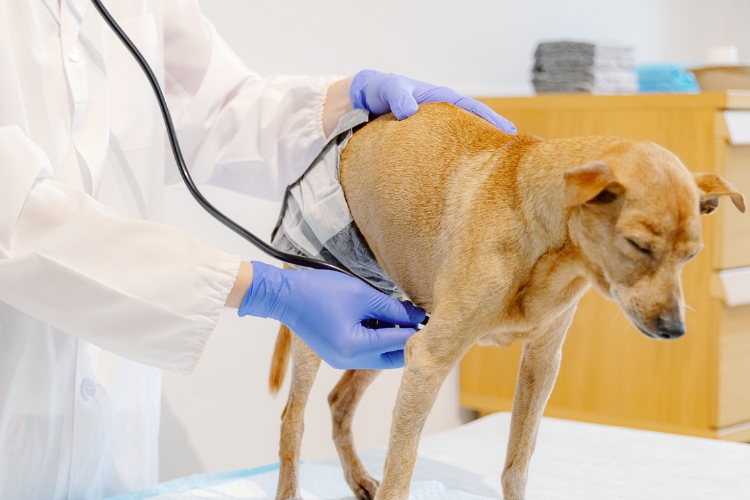
Before starting prevention, dogs should be tested for heartworm. Annual testing is recommended even if your pet is on preventative medication—this ensures early detection in case a dose was missed or ineffective.
Prevention Options
Regular preventative care from a trusted veterinarian will keep heartworm disease at bay, helping your pet stay healthy and active. We strongly recommend year-round prevention. Some common options include:
- Monthly chewable tablets
- Topical (spot-on) treatments
- Injectable preventives lasting up to 6–12 months
Some widely used preventatives include medications such as Simpatico Trio, Heartgard Plus, and Interceptor Plus, which also protect against other parasites, including roundworms and hookworms.
Your prevention plan simplified
Stay consistent: Missing doses increases risk
Use reminders: Set alerts for monthly medications
Protect year-round: Mosquitoes can survive in mild winters
Reduce exposure: Eliminate standing water around your home
Key Takeaway
Heartworm disease is dangerous but also highly preventable. Treatment can be costly, demanding, and risky for your pet, making prevention the best option. Book an appointment with Levittown Animal Hospital today, and stay on top of regular veterinary checkups. Consistently using preventative medication can protect your pet from this silent threat and help them live a long, healthy life.
To learn more, click the links to the following resources:
https://www.heartwormsociety.org
https://capcvet.org/guidelines/heartworm/
https://capcvet.org/maps/