We’re excited to meet you! New clients receive their first pet exam for just $37



10 Warning Signs Your Pet Needs Immediate Veterinary Care

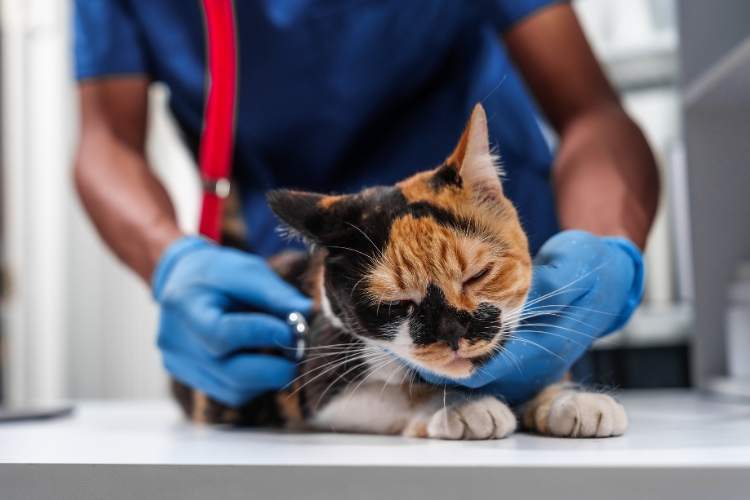
Pets cannot tell us when they are sick or in pain. Therefore, it is important for pet owners to recognize the warning signs that may indicate a serious health problem. Some symptoms develop gradually, while others appear suddenly and require urgent medical attention. Acting quickly can make a major difference in your pet’s recovery and overall well-being.
Many emergencies become more dangerous when treatment is delayed. For this reason, every pet owner should understand the signs that indicate a medical crisis. Whether you own a dog, cat, or another companion animal, knowing when to contact a veterinarian can help save your pet’s life.
In this guide, we will discuss ten important warning signs that should never be ignored. If you notice any of these symptoms, seek professional veterinary care immediately. This blog is especially helpful for pet owners in Levittown, NY.
Why Immediate Veterinary Care Matters
Fast medical attention can prevent complications, reduce pain, and improve treatment outcomes. Animals often hide discomfort instinctively, which means even subtle symptoms may indicate a serious condition.
In some situations, a few hours can determine whether a pet recovers successfully. Conditions such as internal injuries, breathing difficulties, poisoning, or severe infections can rapidly become life-threatening.
Because of this, pet owners should always trust their instincts. If your pet suddenly behaves unusually or appears seriously ill, contacting a veterinary professional is the safest decision.
1. Difficulty Breathing
Breathing problems are among the most serious signs of a pet emergency. If your pet struggles to breathe, breathes rapidly, wheezes, or gasps for air, immediate veterinary care is essential.
Respiratory distress may result from:
- Allergic reactions
- Heart disease
- Lung infections
- Airway obstruction
- Trauma
- Heatstroke
Additionally, blue or pale gums can indicate low oxygen levels. Never wait to see if breathing problems improve on their own.
2. Repeated Vomiting or Severe Diarrhea
Occasional digestive upset may not always be serious. However, repeated vomiting or severe diarrhea can quickly lead to dehydration and other complications.
Seek emergency veterinary care if your pet experiences:
- Continuous vomiting
- Bloody vomit or stool
- Severe weakness
- Inability to keep water down
- Signs of pain or bloating
Digestive emergencies may be linked to poisoning, intestinal blockages, infections, or organ problems.
3. Sudden Collapse or Weakness
A pet that suddenly collapses or becomes unable to stand requires immediate medical evaluation. Sudden weakness can indicate serious underlying conditions such as:
- Heart problems
- Internal bleeding
- Shock
- Neurological disorders
- Severe infections
Even if your pet appears to recover temporarily, you should still contact a veterinarian immediately.
4. Loss of Appetite for More Than 24 Hours
Many pets occasionally skip a meal. However, refusing food for more than a day may signal a serious illness.
Loss of appetite often accompanies conditions such as:
- Kidney disease
- Liver disease
- Gastrointestinal issues
- Infections
- Dental pain
Cats are especially vulnerable because prolonged refusal to eat can lead to dangerous liver complications.
Additionally, if your pet refuses both food and water, urgent medical care becomes even more important.
5. Difficulty Urinating or Complete Inability to Urinate
Urinary problems can quickly become life-threatening, especially in male cats. If your pet strains to urinate, cries while urinating, or produces little to no urine, seek veterinary care immediately.
Potential causes include:
- Urinary blockages
- Bladder stones
- Severe infections
- Kidney problems
Untreated urinary obstruction can cause severe pain and may become fatal within a short time.
6. Seizures or Disorientation
Seizures can appear frightening and often require prompt medical attention. During a seizure, pets may collapse, shake, paddle their legs, drool excessively, or lose consciousness.
Afterward, pets may appear confused, disoriented, or temporarily blind.
Seizures may result from:
- Neurological disorders
- Poison exposure
- Low blood sugar
- Head trauma
- Epilepsy
If your pet experiences a seizure for the first time or has multiple seizures in a short period, contact a veterinarian immediately.
7. Swollen or Bloated Abdomen
A swollen abdomen can indicate several dangerous conditions. In dogs, sudden bloating may signal gastric dilatation-volvulus (GDV), commonly known as bloat. This condition can become fatal without emergency surgery.
Symptoms may include:
- Restlessness
- Excessive drooling
- Unsuccessful attempts to vomit
- Rapid breathing
- Enlarged stomach
Because abdominal swelling may also indicate internal bleeding or fluid buildup, it should always be treated as urgent.
8. Severe Bleeding or Visible Injuries
Cuts, puncture wounds, or heavy bleeding require prompt veterinary care. Even injuries that appear minor may involve deeper tissue damage or infection risks.
Seek immediate attention if:
- Bleeding does not stop within a few minutes
- Bones appear broken
- Your pet cannot walk normally
- Bite wounds are present
- Deep wounds expose muscle or tissue
Trauma from accidents or fights should never be ignored.
9. Poisoning or Toxic Exposure
Pets are naturally curious, which increases their risk of accidental poisoning. Many household items, foods, and plants can be toxic to animals.
Common toxins include:
- Chocolate
- Grapes and raisins
- Certain medications
- Cleaning products
- Xylitol
- Household chemicals
Signs of poisoning may include vomiting, tremors, seizures, drooling, or collapse.
If you suspect toxic exposure, contact your veterinarian immediately. Bring the packaging or substance information if possible.
10. Extreme Pain or Sudden Behavioral Changes
Animals often hide pain, so behavioral changes may provide important clues about serious health issues.
Watch for signs such as:
- Crying or whining
- Aggression
- Hiding
- Trembling
- Limping
- Refusing movement
Sudden personality changes can indicate pain, neurological conditions, or severe illness. Prompt evaluation helps identify the underlying cause quickly.
How to Respond During a Veterinary Emergency
Staying calm during an emergency helps you respond more effectively. First, move your pet to a safe and quiet area. Avoid handling injured areas excessively, especially if your pet appears frightened or painful.
Next, contact your veterinary hospital immediately. Explain your pet’s symptoms clearly and follow all instructions carefully.
At Levittown Animal Hospital, pet owners can call 516-796-2266 during regular business hours for guidance regarding urgent medical situations.
If emergency care is needed after hours, trusted emergency facilities are available, including:
- Veterinary Referral & Emergency Center of Westbury
- The Veterinary Medical Center of Long Island
These hospitals provide emergency veterinary services 24 hours a day and coordinate follow-up care with your regular veterinarian.
Preventing Veterinary Emergencies
Although not every emergency can be prevented, regular wellness care significantly reduces many health risks.
Preventive measures include:
- Routine veterinary exams
- Vaccinations
- Parasite prevention
- Pet-proofing your home
- Safe storage of medications and chemicals
- Proper nutrition
- Regular dental care
Additionally, monitoring your pet’s normal behavior can help you recognize early signs of illness before conditions worsen.
Why Fast Action Can Save Your Pet’s Life
Delaying medical treatment often allows illnesses or injuries to progress. Immediate veterinary care improves the chances of successful treatment and reduces unnecessary suffering.
For example, fast treatment for poisoning may prevent organ damage. Similarly, rapid intervention for breathing difficulties or urinary blockages can save a pet’s life.
As a pet owner, recognizing warning signs and acting quickly is one of the best ways to protect your furry companion.
If you are in Levittown, NY and looking for emergency veterinary care for your pet, contact Levittown Animal Hospital today. Our compassionate veterinary team is prepared to provide prompt medical attention and trusted care when your pet needs it most.
FAQs
1. What are the most common signs of a pet emergency?
Common signs of a pet emergency include difficulty breathing, seizures, repeated vomiting, severe diarrhea, sudden collapse, excessive bleeding, and inability to urinate. If your pet shows any of these symptoms, seek veterinary care immediately to prevent serious complications.
2. When should I take my pet to an emergency veterinarian?
You should visit an emergency veterinarian if your pet experiences trauma, poisoning, breathing difficulties, severe pain, bloating, or sudden behavioral changes. Immediate treatment can improve your pet’s chances of recovery and reduce suffering.
3. What should I do if my pet eats something toxic?
If your pet consumes a toxic substance, contact your veterinarian immediately. Try to identify what your pet ingested and avoid giving home remedies unless instructed by a veterinary professional. Fast medical attention is critical during poisoning cases.
4. Can waiting too long worsen my pet’s condition?
Yes. Delaying veterinary treatment can allow illnesses or injuries to become more severe. Conditions like urinary blockages, internal bleeding, and respiratory distress can quickly become life-threatening without prompt medical care.
5. How can I prepare for a veterinary emergency?
Pet owners can prepare for emergencies by keeping emergency phone numbers accessible, knowing the nearest emergency animal hospital, maintaining regular wellness visits, and pet-proofing the home to reduce accident risks.
6. Why are regular veterinary checkups important for pets?
Routine veterinary exams help detect health issues early, monitor your pet’s overall condition, and prevent serious illnesses. Preventive care plays an important role in keeping pets healthy and reducing the likelihood of emergencies.
