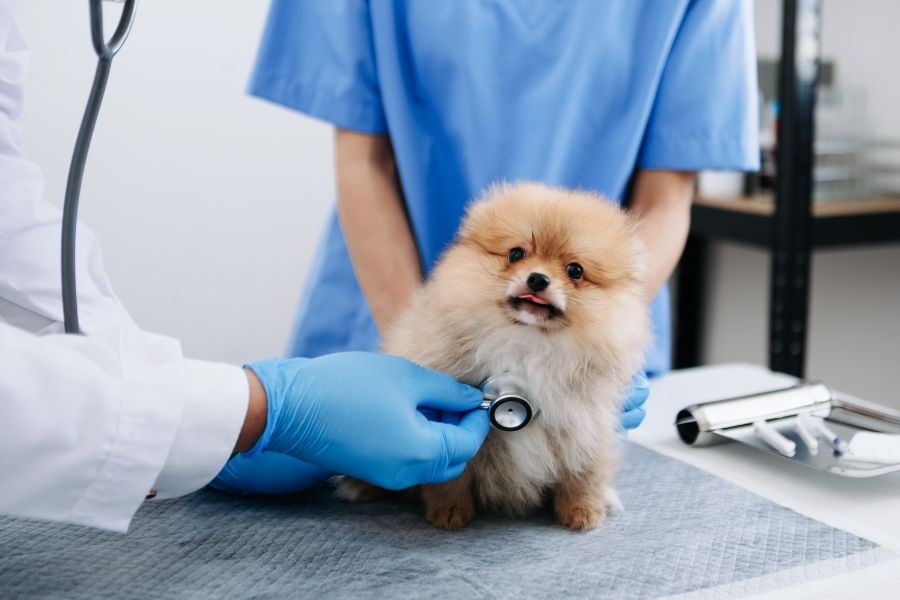
We’re excited to meet you! New clients receive their first pet exam for just $37



How Seasonal Changes Can Affect Your Dog or Cat’s Health

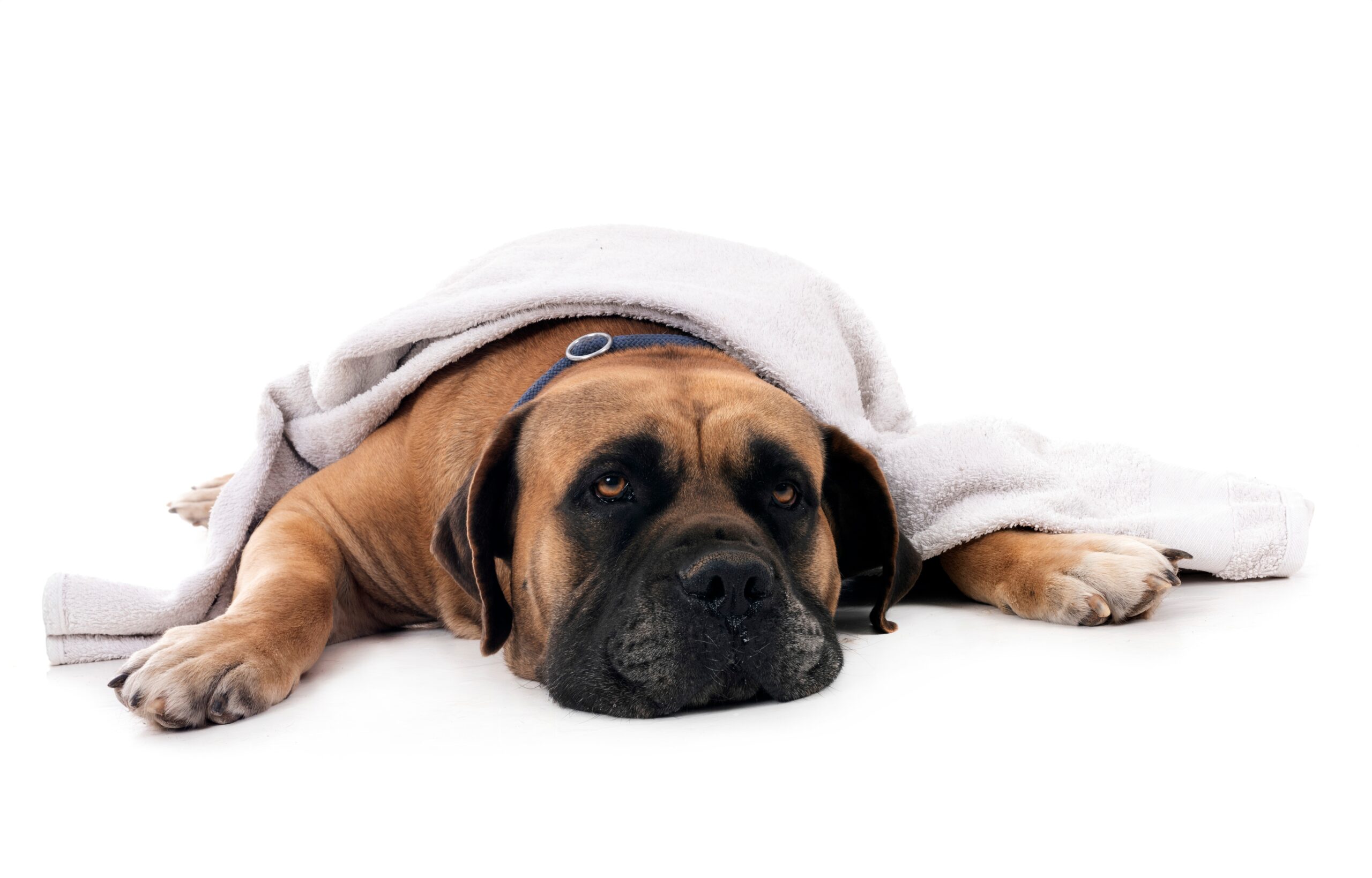
Seasonal changes can impact more than just your daily routine—they can also affect your pet’s health in many ways. As temperatures shift throughout the year, dogs and cats may experience seasonal allergies, dehydration, parasite exposure, skin irritation, and even weather-related illnesses. Understanding how different seasons influence your pet’s well-being can help you take preventive steps to keep them healthy and comfortable year-round.
From hot summer days to freezing winter temperatures, every season presents unique health challenges for pets. Paying close attention to your pet’s behavior, physical condition, and environment allows pet owners to identify problems early and reduce potential risks. At Levittown Animal Hospital, preventive veterinary care plays an important role in helping pets stay healthy during changing seasonal conditions.
Spring Allergies and Parasite Risks
Spring is often associated with warmer weather and more outdoor activity, but it also brings seasonal allergens and increased parasite exposure. Dogs and cats can develop allergic reactions to pollen, grass, mold, and environmental irritants during this time of year.
Common signs of seasonal allergies in pets include:
- Excessive scratching
- Red or irritated skin
- Ear infections
- Paw licking
- Watery eyes
- Sneezing
Some pets may experience mild symptoms, while others develop chronic discomfort that affects their daily quality of life. Early veterinary evaluation can help determine whether allergies are seasonal or related to another underlying condition.
Spring also marks the beginning of flea, tick, and mosquito season. These parasites can spread dangerous illnesses such as Lyme disease, ehrlichiosis, and heartworm disease.
Pet owners looking to reduce seasonal health risks often benefit from learning more about year-round parasite prevention strategies designed for dogs and cats.
Summer Heat Can Lead to Serious Health Problems
Summer temperatures can become dangerous for pets, especially during outdoor activities or extended exposure to heat and humidity. Dogs and cats are more vulnerable to overheating because they cannot regulate body temperature as efficiently as humans.
Heat-related conditions may include:
- Heat exhaustion
- Heatstroke
- Dehydration
- Burned paw pads
Signs of overheating in pets may include:
- Excessive panting
- Drooling
- Weakness
- Vomiting
- Difficulty breathing
- Collapse
Flat-faced breeds, senior pets, overweight animals, and pets with underlying medical conditions may face a higher risk of heat-related illness.
To help keep pets safe during summer:
- Provide constant access to fresh water
- Avoid walks during peak heat hours
- Never leave pets in parked vehicles
- Offer shaded resting areas
- Limit intense outdoor exercise
Even indoor pets can experience dehydration during hot weather, especially if air circulation is poor or water intake decreases.
Seasonal Changes May Affect Appetite and Energy Levels
Temperature shifts can influence your pet’s metabolism, appetite, and activity level. Some pets become less active during colder months, while others may spend more time outdoors during mild weather.
Changes in routine and environment may affect:
- Eating habits
- Sleep patterns
- Weight management
- Exercise tolerance
While minor changes may be normal, sudden loss of appetite, lethargy, or behavioral changes should not be ignored. Seasonal transitions can sometimes worsen underlying medical conditions that require veterinary attention.
Routine wellness visits provide valuable opportunities to monitor your pet’s overall health and identify concerns before they become more serious.
Fall Brings Hidden Environmental Hazards
Autumn introduces several seasonal hazards that pet owners may overlook. Falling leaves, mushrooms, fertilizers, and holiday foods can create potential dangers for curious pets.
Some common fall risks include:
- Toxic mushrooms
- Mold exposure
- Rodenticides
- Seasonal decorations
- Halloween candy and chocolate
Cooler weather may also increase outdoor wildlife activity, which can expose pets to bites, scratches, or infectious diseases.
In Levittown, changing weather patterns throughout the fall season can increase exposure to environmental irritants and outdoor hazards for both dogs and cats.
Winter Weather Creates Additional Challenges
Cold weather can affect pets just as much as hot temperatures. While some breeds tolerate winter conditions better than others, prolonged exposure to freezing temperatures may lead to serious health concerns.
Winter-related risks may include:
- Hypothermia
- Frostbite
- Dry skin
- Joint stiffness
- Respiratory irritation
Small dogs, short-haired breeds, puppies, kittens, and senior pets are often more sensitive to colder conditions.
Pets with arthritis may experience increased joint discomfort during winter months. Cold temperatures can make mobility more difficult and worsen existing inflammation.
To protect pets during winter:
- Limit prolonged outdoor exposure
- Dry paws after walks
- Use pet-safe ice melt products
- Provide warm bedding indoors
- Maintain regular exercise routines
Cats seeking warmth may also hide near heaters, fireplaces, or vehicle engines, which can create additional safety risks.
Seasonal Allergies Can Affect Cats Too
Many people associate allergies primarily with dogs, but cats can also develop seasonal allergic reactions. Cats may show different symptoms than dogs, making allergies more difficult to recognize.
Signs of allergies in cats may include:
- Overgrooming
- Hair loss
- Skin irritation
- Sneezing
- Coughing
- Ear scratching
Seasonal triggers such as pollen, dust, mold, and grass can contribute to discomfort throughout the year.
Pet owners often explore customized allergy management plans to help reduce recurring skin and respiratory irritation in both cats and dogs.
Parasite Prevention Is Important in Every Season
Many pet owners assume parasites are only active during warmer months, but fleas, ticks, and intestinal parasites can remain active year-round depending on environmental conditions.
Consistent parasite prevention helps protect pets against:
- Heartworm disease
- Flea infestations
- Tick-borne illnesses
- Intestinal worms
Routine parasite screenings and preventive medications remain essential throughout every season. Skipping preventive care during colder months may leave pets vulnerable to hidden infestations.
Regular veterinary visits also help ensure parasite prevention products remain appropriate for your pet’s lifestyle and risk level.
Weather Changes Can Impact Senior Pets
Older pets are often more sensitive to seasonal fluctuations. Arthritis, heart disease, respiratory problems, and reduced immune function may become more noticeable during extreme temperatures.
Senior pets may require:
- More frequent monitoring
- Mobility support
- Dietary adjustments
- Increased hydration
- Indoor temperature management
Preventive veterinary care becomes especially important for aging pets because early intervention may help reduce discomfort and improve quality of life.
In Levittown, many pet owners schedule routine wellness evaluations during seasonal transitions to help monitor age-related changes and support long-term health management.
Stress and Anxiety During Seasonal Changes
Changes in weather, daylight hours, travel schedules, and holiday activities can also impact your pet’s emotional well-being. Some pets become anxious during thunderstorms, fireworks, or unfamiliar seasonal events.
Stress-related behaviors may include:
- Hiding
- Excessive barking
- Destructive chewing
- Loss of appetite
- Restlessness
Maintaining a consistent routine and creating a calm environment can help reduce anxiety during seasonal changes.
Veterinarians may also recommend behavioral support strategies for pets experiencing severe seasonal stress or anxiety-related symptoms.
Preventive Care Helps Pets Stay Healthy Year-Round
Routine veterinary care plays a major role in protecting pets from seasonal health concerns. Wellness exams allow veterinarians to monitor physical condition, identify early signs of illness, and recommend preventive strategies tailored to your pet’s specific needs.
Preventive care may include:
- Vaccinations
- Parasite prevention
- Allergy management
- Diagnostic screenings
- Nutritional guidance
- Weight management
Early detection and proactive care help reduce the risk of serious complications while supporting your pet’s overall comfort and well-being throughout the year.
Final Thoughts
Seasonal changes can significantly affect your dog or cat’s health, from allergies and parasites to dehydration, cold weather risks, and environmental hazards. Understanding how weather and environmental conditions influence your pet’s well-being allows you to take proactive steps that support long-term health.
Routine preventive care, parasite protection, wellness exams, and seasonal monitoring all contribute to keeping pets safer and healthier during every season of the year.
At Levittown Animal Hospital, compassionate veterinary care is focused on helping pets thrive through every season with personalized preventive health services. Schedule your appointment today to help your pet stay healthy, comfortable, and protected year-round.
FAQs
1. Can seasonal allergies affect both dogs and cats?
Yes. Both dogs and cats can experience seasonal allergies caused by pollen, mold, grass, and environmental irritants.
2. How can I protect my pet from heatstroke during summer?
Provide fresh water, avoid outdoor activity during peak heat, offer shade, and never leave pets inside parked vehicles.
3. Are fleas and ticks active during colder months?
In some environments, parasites may remain active year-round, making consistent preventive care important in every season.
4. Why do pets experience more joint pain during winter?
Cold weather may increase stiffness and inflammation, especially in senior pets or pets with arthritis.
5. How often should pets have wellness exams?
Most pets should receive annual wellness exams, while senior pets or pets with chronic conditions may benefit from more frequent visits.