We’re excited to meet you! New clients receive their first pet exam for just $37



What Happens When a Routine Pet Wellness Exam Finds Something Unexpected?

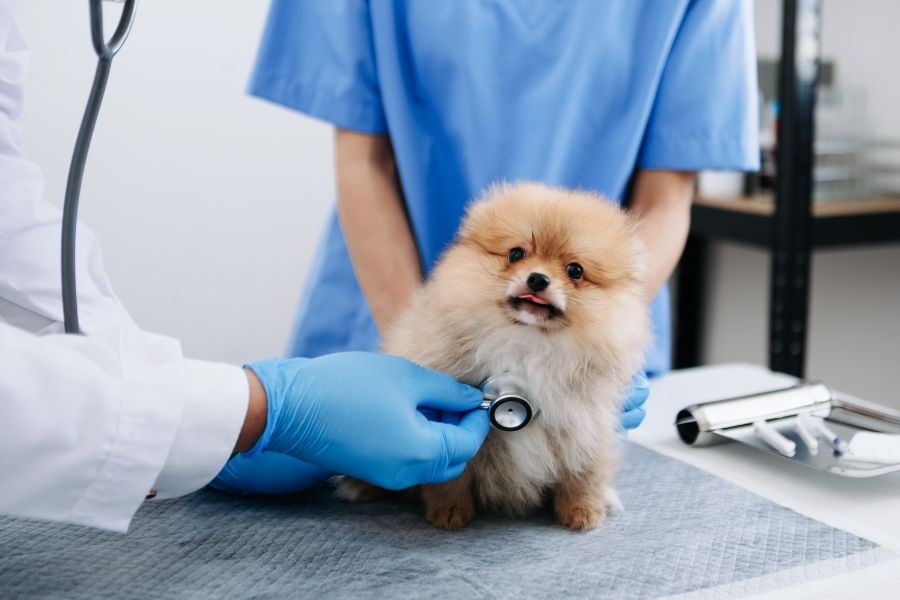
A routine pet wellness exam is designed to assess your companion’s overall health, even when they seem perfectly normal at home. During a visit, a veterinarian looks beyond obvious symptoms and evaluates important details such as body condition, heart and breathing patterns, skin, eyes, ears, teeth, mobility, and behavior. Sometimes, this careful examination reveals something that deserves a closer look.
Finding an unexpected change can naturally make a pet parent nervous. However, an unusual finding does not automatically mean your pet has a serious illness. Many discoveries are minor, temporary, age related, or simply worth monitoring. The next step is understanding what the finding means and whether additional evaluation is appropriate.
For families in Levittown, regular veterinary visits provide an opportunity to establish a clear picture of their pet’s health. When something unexpected appears, having previous medical records can also help the veterinary team compare findings over time and decide what should happen next.
Why Routine Wellness Exams Matter
Pets can be very good at hiding subtle health changes. A dog or cat may continue eating, sleeping, playing, and interacting normally even when a developing health concern is present.
During a visit, the veterinarian performs a physical assessment that may uncover changes a pet parent has not noticed. This could include a new heart sound, a small lump, changes in body weight, dental concerns, skin abnormalities, or differences in joint movement.
The purpose of routine wellness care is not to look for problems unnecessarily. It is to understand what is normal for each individual pet and recognize changes when they occur.
An Unexpected Finding Is Not Always a Diagnosis
One of the most important things to remember is that a finding is not necessarily a diagnosis.
For example, a veterinarian may notice an unusual heart sound while listening to a pet’s chest. This may prompt further evaluation, but the finding itself does not explain its cause.
Similarly, a small lump beneath the skin may have several possible explanations. Additional testing may be recommended to determine what it represents.
The veterinary team considers the finding alongside your pet’s age, medical history, physical examination, symptoms, and other available information. This helps determine whether monitoring or additional diagnostic care is appropriate.
What Happens After Something Unusual Is Found?
The next step depends on what the veterinarian discovers.
Sometimes the recommended approach is simply to monitor the finding. Your veterinarian may suggest checking it again during a future wellness visit or asking you to watch for specific changes at home.
In other cases, additional diagnostic testing may provide more information. Depending on the concern, this could include bloodwork, urine testing, digital X Ray imaging, ultrasound, or another evaluation.
The veterinary team should explain why a particular test is being considered and what information it may provide. Understanding the purpose of testing can make the process much easier for pet parents.
When Bloodwork May Be Recommended
Bloodwork can provide information about how different parts of the body are functioning. Depending on the tests selected, it may offer information about blood cells, organ function, blood sugar, proteins, electrolytes, and other health indicators.
A veterinarian may recommend bloodwork if a pet has unexplained changes in appetite, weight, thirst, energy, or other aspects of daily life. It may also be considered when an examination reveals a concern that cannot be evaluated through a physical assessment alone.
Importantly, an abnormal laboratory result does not always confirm disease. Results must be interpreted in context, and additional monitoring or testing may sometimes be appropriate.
When Imaging May Be Helpful
Some findings require a closer look at structures inside the body. Imaging can provide information that a physical examination and laboratory testing cannot.
Digital X Ray imaging can be useful for evaluating bones and certain areas of the chest and abdomen. Ultrasound can provide detailed information about many soft tissues and internal organs.
The type of imaging selected depends on the question the veterinarian is trying to answer.
For example, a pet with a new mobility concern may benefit from imaging focused on bones or joints. A pet with certain abdominal symptoms may need an evaluation that provides more information about internal organs and soft tissues.
Why Your Pet’s History Matters
A veterinarian does not evaluate a new finding in isolation. Your pet’s medical history can provide important context.
Previous examination notes, laboratory results, imaging reports, medication history, weight records, and observations from home can all help the veterinary team understand the current situation.
This is especially useful when determining whether something is new or has been present for some time.
For instance, if a pet’s weight has gradually changed over several visits, comparing previous measurements may reveal a trend that is not obvious from one appointment alone.
Keeping veterinary records organized can therefore make future health decisions more informed.
Monitoring Can Be Part of the Care Plan
Not every unexpected finding requires immediate extensive testing. In some situations, monitoring is a reasonable part of veterinary care.
Your veterinarian may recommend observing a lump, tracking weight, watching appetite, or returning for another examination after a certain period.
At home, pet parents can help by paying attention to changes in:
- Appetite
- Water consumption
- Weight
- Energy
- Sleep
- Mobility
- Urination
- Digestion
- Grooming
- Behavior
Writing down changes can be useful, particularly when they develop gradually.
Ask Questions During the Appointment
If your veterinarian discovers something unexpected, do not hesitate to ask questions.
You may want to ask:
What did you notice?
Is this different from my pet’s previous examinations?
What could cause this finding?
Does my pet need additional testing?
What would monitoring involve?
What changes should I watch for at home?
When should we reassess the finding?
Understanding the reasoning behind the recommended plan can help you feel more confident about your pet’s care.
Why Early Attention Can Be Valuable
Regular health monitoring gives veterinarians more opportunities to recognize changes while they are still subtle. This does not mean every health problem can be prevented or detected at an early stage, but consistent examinations provide useful information about your pet over time.
A routine visit can also establish baseline information. If a future examination reveals something different, your veterinarian may have previous findings available for comparison.
This ongoing approach is especially valuable as pets move through different life stages. Their nutritional needs, activity levels, body condition, and health risks can change with age.
How Pet Parents Can Prepare for a Wellness Visit
Before your pet’s appointment, make a note of anything that has changed since the previous visit. Even small observations can help your veterinarian understand the bigger picture.
Bring information about current medications and supplements, if applicable. You can also write down questions you want to discuss so nothing important is forgotten during the appointment.
If you have noticed changes in eating, drinking, bathroom habits, sleep, activity, or behavior, mention them to the veterinary team.
Your observations are an important part of the medical history.
A Finding Can Be an Opportunity to Learn More
Discovering something unexpected during a routine pet wellness exam can be unsettling, but it can also provide an opportunity to learn more about your pet’s individual health.
The appropriate response may range from simple observation to additional diagnostic testing. The decision depends on the finding, your pet’s overall condition, medical history, and the veterinarian’s assessment.
For pet parents in Levittown, maintaining regular wellness care with a trusted veterinary team can help create a consistent health record throughout a pet’s life. At Levittown Animal Hospital, veterinary professionals can evaluate unexpected findings and discuss appropriate next steps based on each pet’s individual needs.
The most important takeaway is that an unexpected finding is a reason to ask questions, not a reason to assume the worst. With careful examination, appropriate monitoring, and diagnostic care when indicated, pet parents can make informed decisions about their companion’s health.
Schedule Your Pet’s Wellness Exam
If your dog or cat is due for a routine pet wellness exam, consider scheduling an appointment with Levittown Animal Hospital. A regular examination gives your veterinary team an opportunity to assess your pet’s current health and establish useful information for future visits.
Schedule an appointment online or contact the hospital to discuss your pet’s needs and learn more about ongoing pet health care.
Frequently Asked Questions
Q1. What happens if a veterinarian finds something unusual during a wellness exam?
Ans: The veterinarian will assess the finding in relation to your pet’s medical history and overall health. Depending on the situation, the recommendation may involve monitoring, additional testing, or another examination.
Q2. Does an unexpected finding always mean my pet is sick?
Ans: No. Some findings may be minor, temporary, age related, or require observation rather than treatment. Your veterinarian can explain what the finding may mean and whether further evaluation is appropriate.
Q3. Why might my pet need additional testing after a routine exam?
Ans: Additional testing can provide information that cannot be obtained through a physical examination alone. Bloodwork or imaging may help the veterinary team better understand a particular finding.
Q4. What should I monitor at home after an unexpected finding?
Ans: Depending on the finding, your veterinarian may ask you to monitor appetite, water intake, weight, activity, behavior, mobility, bathroom habits, or other specific changes. Follow the monitoring instructions provided by your veterinary team.
Q5. How often should my pet have a wellness examination?
Ans: The appropriate schedule depends on your pet’s age, health history, lifestyle, and individual needs. Your veterinarian can recommend a wellness schedule suited to your dog or cat.