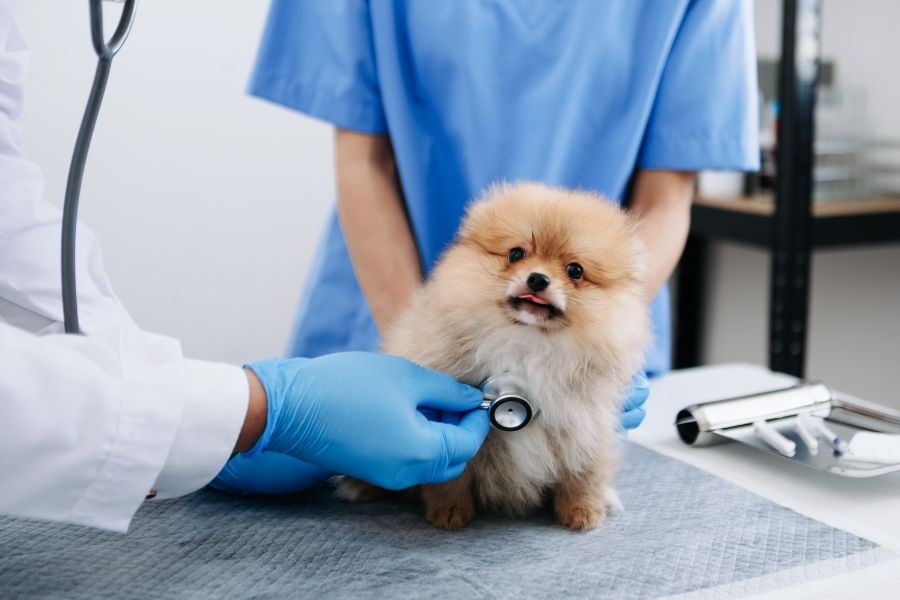
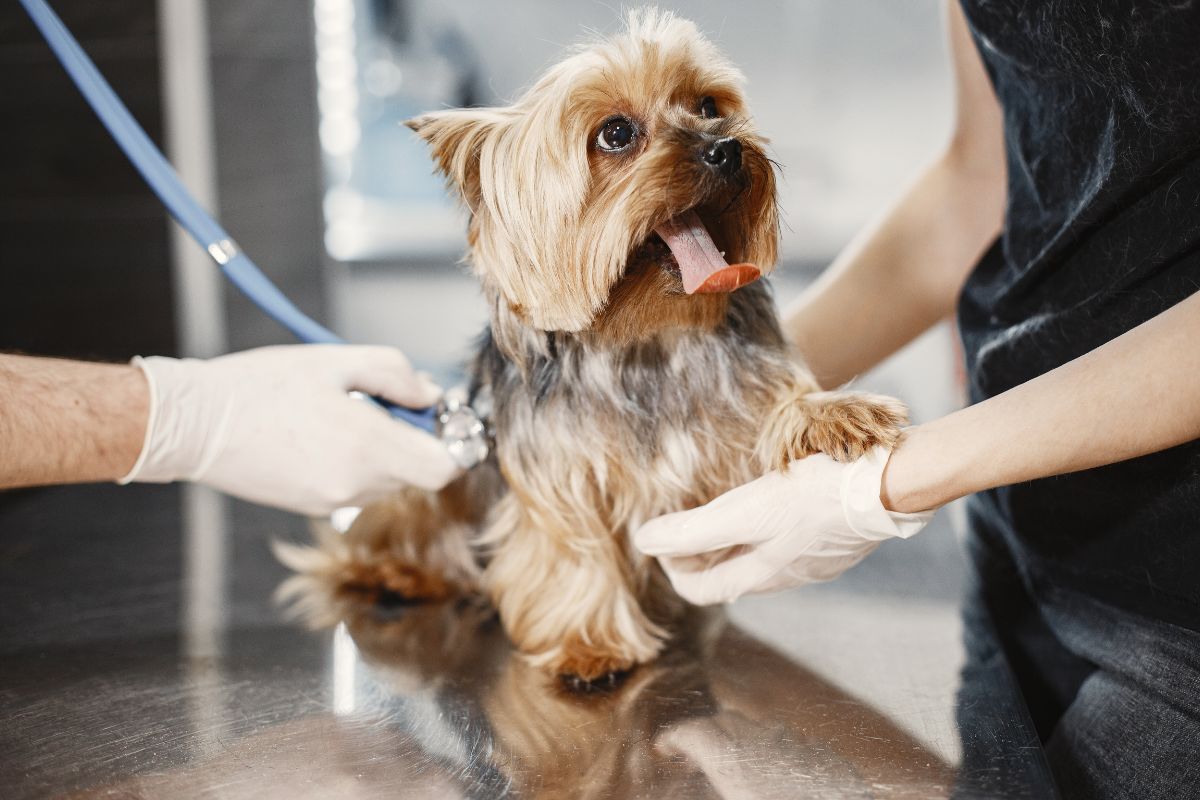
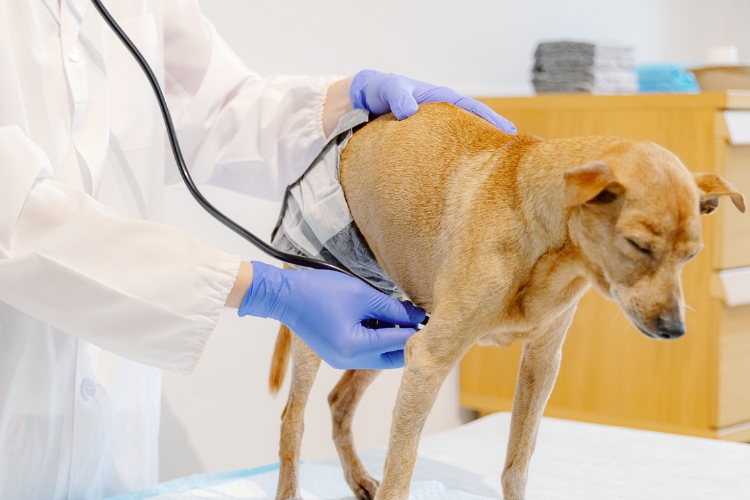
We’re excited to meet you! New clients receive their first pet exam for just $37



Why Preventive Care Needs Change as Pets Move Through Different Life Stages

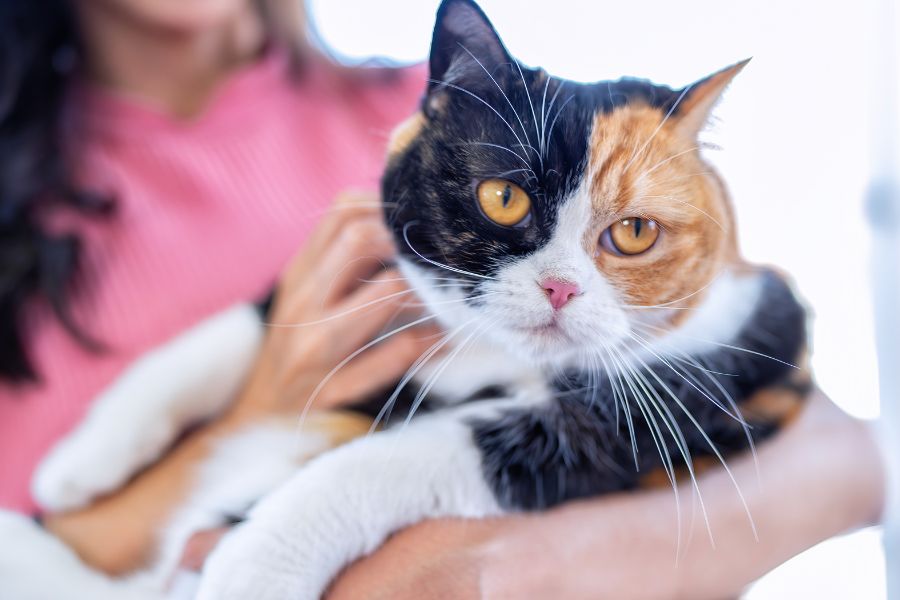
A pet does not have the same health needs throughout life. The care that supports a playful puppy or curious kitten can look very different from the care needed by a mature adult or senior companion. As pets grow, their bodies, behavior, activity levels, nutritional needs, and health risks can change.
This is why pet preventive care should not follow one fixed routine for every stage of life. A thoughtful wellness plan evolves as your pet grows older.
For pet owners in Levittown, regular veterinary visits provide an opportunity to review these changing needs and make adjustments when appropriate. Pet wellness care is not simply about treating problems when they appear. It is also about monitoring your pet over time and making informed decisions that support their health at every stage.
The Puppy and Kitten Years Are About Building a Healthy Start
The first months of a pet’s life involve rapid physical and behavioral development. Puppies and kittens are learning about their surroundings, developing coordination, building muscle, and establishing daily habits.
During this stage, veterinary visits can focus on growth, nutrition, development, behavior, and general health. Your veterinarian can monitor whether your young pet is developing appropriately and provide guidance that supports a strong foundation.
Nutrition is particularly important during early life. Growing pets have different nutritional requirements than adult animals, so feeding recommendations may change as they mature.
Pet owners can also use these early visits to ask questions about exercise, training, socialization, grooming, dental care, and other aspects of daily life.
Starting with consistent veterinary care can make it easier to identify changes as your pet continues to grow.
Young Adult Pets Need a Different Kind of Attention
As puppies and kittens become adults, their bodies and routines begin to stabilize. Their veterinary care can shift from rapid growth monitoring toward maintaining overall health.
An adult pet’s lifestyle becomes particularly important during this period. A highly active dog may have different needs from a dog that spends most of the day indoors. Similarly, an indoor cat may have a different activity pattern from a cat that spends considerable time exploring outside.
Weight management can also become more important as growth slows. Changes in food portions, treats, activity, and daily habits can influence body condition.
Regular pet wellness care gives your veterinarian a chance to evaluate these factors and discuss adjustments that may help your pet maintain an appropriate weight and healthy activity level.
Adult Years Are a Time to Watch for Subtle Changes
Pets can appear healthy while small changes are developing gradually. An adult pet may continue eating, playing, and interacting normally while experiencing changes that are difficult to recognize at home.
Routine examinations can help establish a history of your pet’s health. Your veterinarian may compare current observations with previous visits to identify trends in weight, body condition, behavior, or other health indicators.
This ongoing record can become especially useful as your pet gets older.
Pet owners should also mention changes that may seem minor. A slight decrease in energy, a change in drinking habits, altered bathroom routines, or differences in appetite can provide useful information when combined with a veterinary examination.
Middle Age Can Bring New Priorities
As pets move into middle age, preventive care may become more focused on maintaining good physical condition and recognizing age related changes.
Activity levels may gradually decrease, and some pets may gain weight if their food intake remains the same while their daily activity drops. Regular weight assessments can help identify this change before it becomes difficult to manage.
Your veterinarian may also discuss dental health, nutrition, exercise, behavior, and diagnostic monitoring based on your pet’s individual circumstances.
There is no single age at which every pet suddenly needs the same care. Breed, size, genetics, lifestyle, and previous health history can all influence when age related considerations become important.
That is why veterinary recommendations should be personalized rather than based solely on age.
Senior Pets Benefit From Closer Observation
Senior pets often require more attention because their bodies can change with age. Changes in mobility, appetite, weight, sleep patterns, energy, or behavior may become more noticeable.
Some changes can be part of normal aging, while others may deserve further evaluation. Regular veterinary visits provide an opportunity to discuss these differences rather than assuming every change is simply due to getting older.
Senior pet wellness care may include closer monitoring and additional evaluation when appropriate. Your veterinarian can help determine which areas deserve attention based on your pet’s history and current condition.
Keeping track of changes at home can also be helpful. Write down noticeable differences in eating, drinking, movement, sleeping, or behavior and share those observations during veterinary appointments.
Nutrition Should Evolve With Your Pet
Food requirements can change as pets move from growth to adulthood and later into their senior years.
A young animal may need nutrition that supports development, while an adult may need a diet that supports a stable weight and appropriate activity level. Older pets may have different nutritional considerations depending on their overall health.
Treats also deserve attention. Small extras can add calories throughout the day, particularly when a pet receives several treats in addition to regular meals.
Rather than making major changes independently, discuss your pet’s diet with your veterinarian. Recommendations can be tailored to age, body condition, lifestyle, and individual health needs.
Exercise Is Not One Size Fits All
Physical activity should change as your pet changes.
Young pets often have plenty of energy and may benefit from age appropriate play and activity. Adult pets may need consistent exercise to support a healthy weight and active lifestyle.
Senior pets may still benefit from movement, but their activity may need to be adjusted according to their comfort and physical condition.
The goal is not simply to make a pet exercise more. It is to find activities that are suitable for that individual animal.
Your veterinarian can help you understand how nutrition, weight, mobility, and activity work together as part of a broader pet preventive care plan.
Behavior Can Also Influence Wellness Planning
Preventive care is not limited to physical health. Behavioral changes can provide useful clues about a pet’s overall wellbeing.
A normally social pet that becomes withdrawn, a playful animal that loses interest in activities, or a pet that develops new habits may be communicating that something has changed.
Age can influence behavior, but sudden or persistent changes should still be discussed with a veterinarian.
Including behavioral observations in regular wellness conversations can help create a more complete picture of your pet’s health.
Why One Routine Does Not Work for Every Pet
A Chihuahua, Labrador Retriever, Persian cat, and domestic shorthair cat can all have very different needs. Even pets of the same breed can require different approaches because of differences in lifestyle, body condition, medical history, and activity.
This is why pet preventive care should be reviewed throughout your pet’s life.
Instead of asking whether your pet is following the same routine they had several years ago, consider whether that routine still matches their current needs.
Regular veterinary appointments provide an opportunity to reassess those needs and make changes when appropriate.
Building a Long Term Wellness Plan in Levittown
Pet owners in Levittown can support their companions by treating preventive care as an ongoing process rather than a single event.
At Levittown Animal Hospital, conversations about your pet’s age, lifestyle, nutrition, activity, behavior, and health history can help guide individualized pet wellness care.
The goal is to recognize that every life stage brings different priorities. What matters most for a young pet may not be the same thing that matters most for an adult or senior pet.
By staying attentive to changes and maintaining regular veterinary care, you can give your pet the benefit of a wellness plan that grows with them.
Schedule Your Pet’s Wellness Visit
Has your pet entered a new life stage or have you noticed changes in weight, activity, appetite, behavior, or daily habits?
Consider scheduling an appointment with Levittown Animal Hospital in Levittown. An online appointment or booking option can make it convenient to arrange a visit and discuss your pet’s current needs with the veterinary team.
A wellness visit is an opportunity to review your pet’s health and determine whether their current preventive care routine should be updated for their age and lifestyle.
Frequently Asked Questions
Q1. Why does pet preventive care change with age?
Ans: Pets experience changes in growth, metabolism, activity, body condition, and health risks as they age. Their veterinary care can be adjusted to address the needs associated with each life stage.
Q2. When does a pet become a senior?
Ans: The age considered senior can vary depending on species, breed, size, and individual health. Your veterinarian can help determine when your pet may benefit from additional senior focused monitoring.
Q3. Should my pet’s diet change as they get older?
Ans: It may. Nutritional needs can change as a pet moves from growth into adulthood and later life. Your veterinarian can evaluate your pet’s body condition, activity, and health before recommending dietary adjustments.
Q4. Can changes in behavior be part of preventive wellness care?
Ans: Yes. Changes in behavior, energy, appetite, sleeping patterns, or social interaction can provide useful information about your pet’s overall wellbeing and should be discussed during veterinary visits.
Q5. How can I help my veterinarian monitor my pet between visits?
Ans: Keep track of noticeable changes in weight, appetite, activity, drinking, bathroom habits, mobility, and behavior. Sharing these observations can help your veterinarian understand changes that may not be obvious during a single appointment.