We’re excited to meet you! New clients receive their first pet exam for just $37


Red Eyes in Pets: Recognizing Signs of a Potentially Serious Eye Problem

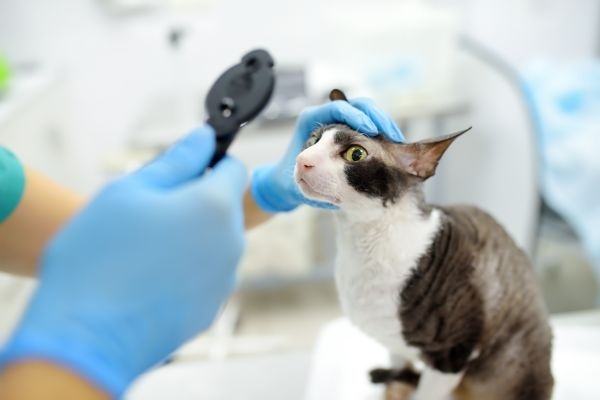
Observing sudden physical shifts in a companion animal can trigger immediate worry for any pet owner. While a pet might occasionally wake up with a tiny speck of dust or minor eye sleep, noticing inflamed tissue, persistent redness, or active swelling across the eye socket is a completely different medical scenario. Recognizing red eyes in pets is critical because ocular inflammation often points to developing surface scratches, elevated intraocular pressure, or internal vascular changes within delicate optical structures.
Because dogs and cats naturally try to mask physical discomfort, subtle ocular changes can escalate without swift clinical evaluation. Seeking urgent pet care ensures that expert veterinarians evaluate acute eye shifts quickly, protecting sensitive tissues and delivering immediate relief for non-life-threatening conditions. For pet parents living in Levittown, understanding what causes ocular redness empowers you to take decisive action before minor irritation leads to lasting visual complications.
What Causes Red Eyes in Pets?
Inflammation across the ocular surface or surrounding tissues stems from various environmental, physical, and anatomical factors. Identifying the primary source of irritation requires clinical evaluation, as different eye conditions can present with very similar outward appearances.
Surface Trauma and Foreign Debris
Outdoor adventures often bring pets into contact with tall grasses, blowing sand, or lawn debris. Tiny particles lodged beneath the eyelid or minor scratches across the corneal surface trigger rapid blood vessel expansion, causing the white sclera and inner eyelids to appear bright red.
Conjunctival Inflammation and Allergic Responses
Environmental allergens, airborne irritants, or localized bacterial imbalances can cause acute inflammation of the conjunctiva, the thin membrane lining the inner eyelids. This condition leads to noticeable tissue swelling, watery tearing, and intense local itching.
Elevated Intraocular Pressure and Internal Inflammation
When normal fluid drainage pathways inside the eye become obstructed, pressure within the anterior chamber rises rapidly. This pressure spike strains internal vascular structures, resulting in deep, engorged blood vessels across the eye, severe pain, and corneal clouding.
Evaluating Ocular Symptoms: Home Care vs. Clinical Attention
Distinguishing between minor environmental eye irritation and a condition requiring intermediate veterinary evaluation is essential for preserving your pet’s vision and overall comfort.
Safe for Initial Home Observation
If your companion displays any of the following minor signs while maintaining bright energy, clear pupils, and comfortable behavior, initial observation at home is appropriate:
- Mild, clear watery tearing following outdoor play in dusty or windy conditions
- Transient, minor eye squinting that disappears completely after a short rest
- Intact navigational confidence across both brightly lit and dark indoor rooms
- Normal, equal pupil responses when transitioning between sunlit and shaded areas
Indicators Requiring Immediate Clinical Evaluation
If your pet exhibits persistent optical distress or visible changes to the eye structure, seeking urgent vet care prevents secondary ocular complications:
- Pronounced, persistent vascular redness across the white sclera or conjunctiva
- Continuous squinting, keeping an eye held shut, or frequent, rapid blinking
- Relentless pawing at the face, rubbing the eyes on carpets, or severe head shaking
- Thick yellow, green, or bloody discharge accumulating along the eyelid margins
- Asymmetrical, dilated pupils or sudden cloudiness covering the corneal surface
Point-of-Care Diagnostics for Red Eyes in Pets
When you seek urgent vet care for optical concerns, clinical teams rely on swift, non-invasive diagnostic tools to inspect eye health and determine the root cause of inflammation without delay.
- Fluorescein Dye Stain Evaluation: Applies a temporary, specialized dye that highlights hidden corneal scratches, surface ulcers, and tissue tears under blue light.
- Ophthalmic Tonometry Measurement: Gently measures intraocular fluid pressure using a soft, non-invasive probe to detect pressure spikes or internal fluid drainage shifts.
- Slit-Lamp and Ophthalmoscopic Examination: Delivers high magnification to inspect lens clarity, the anterior chamber, iris reactivity, and retinal structures in real time.
Combining instant diagnostic feedback with pet-safe anti-inflammatory drops, protective lubrications, or pressure-regulating medications stops pain at its source and protects your companion’s vision.
Supporting Companion Animals in Levittown
Protecting your pet’s visual health requires attentive daily observation and staying mindful of subtle changes in their behavior. Checking your companion’s eyes during routine grooming sessions or after outdoor play allows you to catch minor irritations before they affect mobility or comfort.
If you are from Levittown and looking for urgent vet care, taking fast action at the first sign of optical redness or discomfort provides your pet with the best opportunity for a smooth, full recovery.
Providing timely medical attention when health changes occur preserves your companion’s quality of life and ensures complete peace of mind for your entire household.
Taking Action for Your Pet’s Visual Comfort
When your dog or cat exhibits sudden eye redness, persistent squinting, or visible physical discomfort, securing a prompt evaluation keeps their recovery moving in the right direction. You can schedule an online appointment through our portal to reserve a convenient time for your pet to be examined by our clinical team.
If your companion is actively displaying uncomfortable eye symptoms or sudden optical changes and you prefer to speak directly with our clinical staff before arriving, please call our team at 516-796-2266 so we can offer immediate guidance and prepare for your visit.
Our dedicated medical team looks forward to delivering gentle, expert care for your companion at Levittown Animal Hospital.
Frequently Asked Questions
Q1. What is the most common reason a pet’s eye turns red unexpectedly?
Ans: The most frequent causes include surface irritation from dust or grass, minor corneal scratches, allergic conjunctivitis, and foreign material trapped beneath the eyelid. Because these conditions look similar, a professional exam with diagnostic stains is needed to determine the correct treatment.
Q2. Is it safe to use human eye drops or leftover pet medications on a red eye?
Ans: No. Human eye drops can contain ingredients that cause severe stinging or dangerous blood vessel constriction in pets. Furthermore, applying leftover prescription ointments containing steroids to an undiagnosed corneal ulcer can prevent healing and lead to severe, permanent corneal damage.
Q3. Why does my pet keep squinting when their eye looks red?
Ans: Squinting is a clear reflex signal of ocular pain or extreme light sensitivity. It usually indicates that the sensitive nerve endings on the corneal surface or internal iris tissues are inflamed, requiring prompt veterinary evaluation to relieve pain and prevent deeper tissue damage.
Q4. Can a red eye in a dog or cat resolve on its own?
Ans: While very minor irritation from dust may resolve with natural tearing, persistent or intense redness rarely resolves without intervention. Delaying care for underlying issues like corneal ulcers or elevated eye pressure can allow simple conditions to worsen into permanent visual impairment.
Q5. How should I safely transport my pet to the clinic with an eye condition?
Ans: Keep your vehicle cool, quiet, and shaded from direct sunlight. Place small pets in a padded carrier lined with soft blankets, and fit larger dogs with an Elizabethan collar if they attempt to rub their face against seat covers during the drive.