We’re excited to meet you! New clients receive their first pet exam for just $37


Halloween Candy Toxicity in Cats: What Owners Should Know About Accidental Ingestion

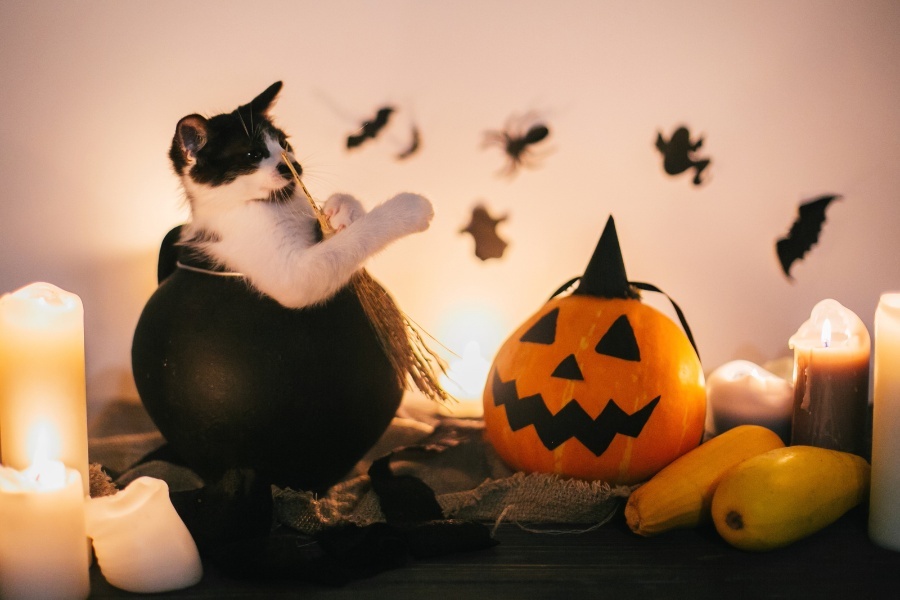
Halloween brings colorful candy wrappers, sweet treats, and festive gatherings into many homes. While people enjoy these seasonal traditions, curious cats may be tempted to investigate candy bowls, trick-or-treat bags, or forgotten sweets left on tables. Even a small amount of certain ingredients can pose a health risk to cats, making careful storage and supervision essential.
For cat owners in Levittown, understanding Halloween candy toxicity in cats can help prevent accidental ingestion and support a quick response if exposure occurs. Cats may be less interested in sweets than dogs, but their curiosity, grooming habits, and tendency to explore quiet corners can still bring them into contact with potentially harmful foods.
Why Halloween Candy Can Be Dangerous for Cats
Candy is made for human consumption, and its ingredients may not be suitable for animals. Some sweets contain substances that are toxic to cats, while others can cause digestive upset or create choking and obstruction risks.
Chocolate is a major concern because it contains theobromine and caffeine. These substances can affect the nervous system and heart. The risk depends on the type of chocolate, the amount eaten, and the cat’s size. Dark chocolate and baking chocolate generally contain higher concentrations of these compounds than milk chocolate.
Sugar-free sweets may contain xylitol, a sweetener known to be particularly dangerous to dogs. Its effects in cats are less clearly established, but products containing it should still be kept away from pets. Other candy ingredients, wrappers, and decorative packaging may also cause problems if swallowed.
The safest approach is to keep all Halloween candy away from cats rather than trying to determine which sweets might be harmless after an accident.
Common Halloween Candy Hazards for Cats
Understanding the contents of popular Halloween treats helps cat owners recognize potential risks before the festivities begin.
Chocolate bars and chocolate candies: Chocolate contains methylxanthines, including theobromine and caffeine. Depending on the dose, exposure can cause vomiting, restlessness, increased heart rate, tremors, and other serious symptoms.
Sugar-free candy: Some products contain alternative sweeteners or additional ingredients that may be unsuitable for pets. Check packaging carefully and contact a veterinarian if your cat eats a product with an uncertain ingredient list.
Caramel and sticky sweets: These treats may not contain chocolate, but their sticky texture and high sugar content can still cause digestive discomfort. Wrappers can create additional hazards.
Hard candies: Small, solid sweets may present a choking risk, particularly if swallowed whole. Their wrappers can also become lodged in the digestive tract.
Chocolate-covered nuts and mixed treats: These products may contain chocolate alongside ingredients that are difficult for cats to digest or that present additional risks. Macadamia nuts are a recognized concern in dogs, and mixed products should not be assumed safe for cats.
Candy wrappers and packaging: Foil, plastic, and cellophane can be swallowed during play or while a cat investigates a sweet’s smell. Larger pieces may cause digestive tract obstruction, even when the candy itself is no longer present.
Signs of Halloween Candy Toxicity in Cats
Symptoms depend on the ingredients involved, the amount consumed, and how much time has passed. Some signs may appear within hours, while other complications can take longer to become apparent.
Watch for vomiting, diarrhea, unusual restlessness, increased thirst, or reduced appetite. Chocolate exposure may also cause agitation, a rapid or irregular heartbeat, tremors, or seizures in severe cases.
Cats may hide when they feel unwell, making subtle behavioral changes important. Your cat might stop playing, avoid family members, seem unusually weak, or become reluctant to move. Repeated gagging, drooling, or straining may suggest irritation or a problem involving swallowed packaging.
Do not wait for symptoms to appear if you know or strongly suspect that your cat has eaten potentially toxic candy. Contact a veterinary professional promptly and explain what was eaten, how much may be missing, and when the incident occurred.
What to Do If Your Cat Eats Halloween Candy
Discovering an opened candy wrapper or a missing chocolate can be worrying. Staying calm and taking appropriate steps can help your veterinarian assess the situation.
First, move the remaining candy out of reach and prevent your cat from eating more. Look for the product packaging, ingredient list, and any remaining pieces. Estimate how much may have been consumed and note the time of the incident.
Contact your veterinarian for guidance. Provide your cat’s approximate weight, any existing medical conditions, the product name, and any symptoms you have noticed. If the ingredients are unclear, keep the package available so the veterinary team can review it.
Do not induce vomiting, give salt water, administer human medication, or try home remedies unless a veterinary professional specifically directs you to do so. These approaches may cause additional harm or delay appropriate treatment.
If your cat develops seizures, severe tremors, collapse, or difficulty breathing, seek immediate veterinary attention.
Why Candy Wrappers Deserve Special Attention
Candy toxicity is not the only concern during Halloween. Cats often enjoy batting small objects across the floor, and crinkling wrappers can be especially tempting. A wrapper may be swallowed during play or accidentally consumed while a cat licks candy residue from it.
Foil, plastic, and cellophane do not digest normally. Depending on their size and shape, swallowed materials may irritate the digestive tract or cause a blockage. Long decorative ribbons and strings can be particularly hazardous if ingested.
Possible warning signs include vomiting, loss of appetite, abdominal discomfort, lethargy, or changes in bowel movements. Some cats may repeatedly visit the litter box or become unusually withdrawn.
Keep wrappers in a covered trash container and clean up immediately after opening candy. Never pull string or ribbon protruding from a cat’s mouth or rear end, because doing so can injure internal tissues. Contact a veterinarian for instructions instead.
Keep Cats Safe During Halloween Trick-or-Treating
Halloween trick-or-treating can bring frequent door openings, visitors, unfamiliar noises, and candy bags into the home. These changes can make it easier for cats to slip outside or access sweets that would normally remain stored away.
Before visitors arrive, place candy in sealed containers inside cabinets or another secure location. Remind children not to feed sweets to pets and to keep their trick-or-treat bags closed. Check floors, sofas, and quiet hiding places for dropped candy or wrappers.
Consider giving your cat a calm room away from the front door. Provide fresh water, familiar bedding, a litter box, and a comfortable hiding spot. This can reduce stress while limiting exposure to visitors and potentially hazardous treats.
Make sure windows and exterior doors remain secure. Even indoor cats may attempt to escape when startled by unfamiliar activity. A quiet, predictable environment helps protect your cat throughout the celebrations.
Prevent Accidental Candy Ingestion Before It Happens
A few practical habits can make a significant difference during Halloween.
Store sweets in sturdy, closed containers rather than open bowls. Avoid leaving candy on bedside tables, kitchen counters, or coffee tables where an inquisitive cat might reach it. Clean up spills promptly and check packaging before discarding it.
Keep children involved in prevention by explaining that candy is not appropriate food for cats. Ask guests to avoid offering sweets and to alert you if they notice a pet investigating a candy bag.
If you use Halloween decorations, keep small pieces, dangling ribbons, and loose packaging away from areas where your cat plays. Supervise new toys and remove damaged items that may release small parts.
Knowing where to seek help before Halloween begins is also valuable. Cat owners searching online for a veterinarian near me in Levittown should keep their regular clinic’s contact information available and learn what options are offered when the clinic is closed.
Schedule a Visit With Levittown Animal Hospital
Preventing Halloween candy toxicity in cats starts with secure storage, careful cleanup, and awareness of common seasonal hazards. However, if your cat eats chocolate, an unfamiliar sweet, or candy packaging, professional advice can help you determine the appropriate next step.
Levittown Animal Hospital is a local resource for pet owners who have questions about feline health, possible toxin exposure, and seasonal safety. Contact the hospital if you are concerned about your cat’s health or need guidance after accidental ingestion.
Reach out to Levittown Animal Hospital to discuss your cat’s needs and ask about available appointments or online booking options. With preparation and prompt attention to possible hazards, you can help your feline companion stay safer while your family enjoys Halloween.
Frequently Asked Questions
Q1. Can one piece of chocolate harm a cat?
Ans: The risk depends on the type of chocolate, the amount eaten, and the cat’s weight. Dark and baking chocolate contain more theobromine than milk chocolate. Contact a veterinarian if your cat eats chocolate, even if it appears to be a small amount.
Q2. How soon do symptoms of Halloween candy toxicity appear in cats?
Ans: The timing varies according to the ingredient and amount consumed. Some symptoms may develop within hours, but waiting for signs is not recommended. Seek veterinary guidance as soon as you suspect your cat has eaten a potentially harmful product.
Q3. Are sugar-free Halloween candies safe for cats?
Ans: No candy should be offered intentionally to cats. Sugar-free products may contain ingredients that are unsuitable for pets, and their other ingredients or packaging may also pose risks. Keep these products securely stored.
Q4. What if my cat swallows a candy wrapper but not the candy?
Ans: Wrappers may irritate the digestive tract or cause an obstruction. Contact your veterinarian for advice, especially if your cat vomits, refuses food, appears uncomfortable, or becomes lethargic. Do not attempt to make your cat vomit at home.
Q5. How can I protect my cat during Halloween trick-or-treating?
Ans: Store candy in closed containers, keep wrappers in a covered bin, and place your cat in a quiet room away from frequent door openings. Remind children and visitors not to share candy with pets.

