We’re excited to meet you! New clients receive their first pet exam for just $37



Why Dog Teeth Cleaning Matters: Key Benefits for Your Pet’s Health

As a pet owner, you understand that maintaining your dog’s health goes beyond regular walks, playtime, and a balanced diet. Just like humans, dogs need proper dental care to keep their teeth and gums healthy. Unfortunately, dental disease is one of the most common health issues in dogs, often leading to serious problems if left untreated. In this blog, we’ll explore why dog teeth cleaning matters, the benefits it offers to your pet’s health, and how you can ensure your dog’s smile stays bright and healthy.
1. Preventing Dental Disease
One of the primary reasons dog teeth cleaning is so important is its role in preventing dental disease. Just like in humans, plaque and tartar can build up on a dog’s teeth. If left unchecked, this buildup can lead to gingivitis (inflammation of the gums), periodontal disease (infection of the gums and bones), and eventually tooth loss.
Regular teeth cleaning helps remove plaque before it hardens into tartar, preventing the progression of these conditions. Dental disease can be painful for your dog, leading to difficulty eating, bad breath, and general discomfort. By cleaning your dog’s teeth regularly, you are actively preventing these painful and costly conditions.
2. Improving Overall Health
You might not realize it, but your dog’s dental health is directly linked to their overall well-being. Bacteria from gum disease can enter the bloodstream and travel to vital organs such as the heart, kidneys, and liver. This can lead to serious health problems like heart disease, kidney disease, and liver dysfunction.
By keeping your dog’s teeth clean, you reduce the risk of bacteria spreading throughout their body. This means fewer chances of developing systemic infections that can impact your dog’s quality of life. Regular dog teeth cleaning is an investment in your pet’s long-term health, helping them stay happy and healthy for years to come.
3. Preventing Bad Breath (Halitosis)
We all know that “dog breath” is a common problem, but did you know that bad breath is often a sign of poor dental health? When plaque and tartar build up on your dog’s teeth, it creates a breeding ground for bacteria that causes foul-smelling breath.
By regularly cleaning your dog’s teeth, you can reduce the buildup of these bacteria, improving their breath and making cuddle time a more enjoyable experience. Not only will your dog’s breath be fresher, but their mouth will also be much healthier overall.
4. Reducing the Risk of Tooth Loss
Dental disease doesn’t just cause discomfort and bad breath – it can also lead to tooth loss. As plaque and tartar accumulate, the gums start to recede, and the tooth roots can become exposed. This makes teeth weaker and more prone to falling out.
Regular professional cleaning, combined with at-home care, helps maintain strong, healthy teeth, reducing the risk of tooth loss. Your dog needs a full set of healthy teeth for chewing, eating, and overall well-being. By maintaining their dental hygiene, you protect their ability to enjoy meals and snacks, as well as preventing further complications down the road.
5. Helping Prevent Painful Gum Disease
Gingivitis and periodontal disease are often painful conditions that can severely affect your dog’s quality of life. Gingivitis occurs when plaque and bacteria irritate the gums, causing swelling, redness, and discomfort. If untreated, it can progress to periodontal disease, which involves the destruction of the bone and tissues that support the teeth.
Fortunately, gingivitis is reversible with regular cleaning and proper care. If caught early, professional dental cleanings can prevent it from progressing into a more severe condition. By staying on top of your dog’s dental health, you can help prevent painful gum disease and ensure their comfort.
6. Promoting Better Behavior and Comfort
Dogs with dental issues often display behavioral changes as a result of pain or discomfort. They may chew on objects excessively, avoid eating, or even show aggression due to mouth pain. Additionally, inflamed gums and bad teeth can make your dog uncomfortable, leading to a decline in their overall behavior and energy levels.
By regularly cleaning your dog’s teeth and preventing dental problems, you’re contributing to their comfort, reducing pain, and encouraging positive behavior. Healthy teeth and gums lead to a happy, energetic pet who can continue to enjoy their favorite activities and playtime.
7. Professional vs. At-Home Dog Teeth Cleaning
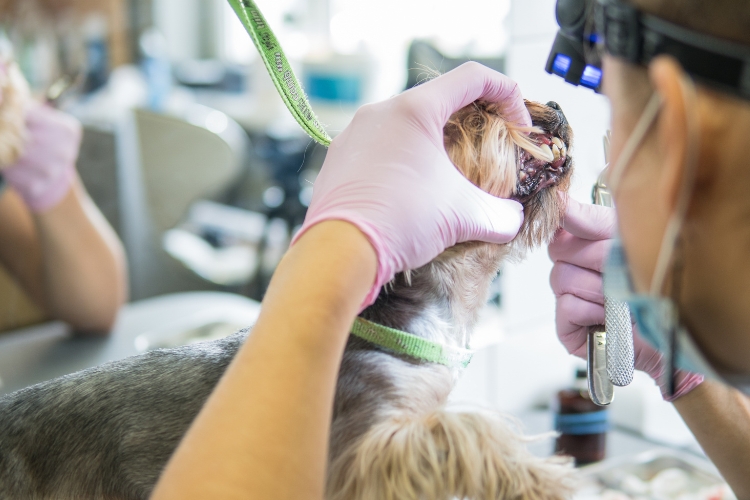
While at-home care, such as brushing your dog’s teeth and providing dental chews, is important, it’s essential to have professional cleanings done regularly. A veterinarian can perform a deep cleaning that removes tartar and plaque buildup from hard-to-reach areas in your dog’s mouth. This cleaning involves scaling and polishing, which cannot be achieved through brushing alone.
A professional cleaning is typically done under anesthesia to ensure your dog remains still and comfortable during the procedure. It’s recommended that your dog receive a professional cleaning at least once a year, although the frequency may vary based on their breed, age, and dental health.
Regular dog teeth cleaning is crucial for preventing dental disease, improving overall health, and maintaining your pet’s quality of life. The benefits of keeping your dog’s teeth clean extend far beyond a fresh-smelling mouth – it helps prevent systemic infections, reduces the risk of tooth loss, and promotes overall well-being. If you’re in Levittown, NY, and looking for professional dog dental care, be sure to visit Levittown Animal Hospital for expert guidance and routine cleanings. Your dog deserves a healthy smile, and proper dental care is an investment in their long-term health.
FAQs
Q1. How often should I clean my dog’s teeth?
Ans. Ideally, you should brush your dog’s teeth every day. However, at a minimum, professional dental cleanings should be done once a year, depending on your dog’s dental health.
Q2. What happens if I don’t clean my dog’s teeth regularly?
Ans. Without regular teeth cleaning, plaque and tartar buildup can lead to gum disease, tooth loss, and even systemic health issues like heart and kidney disease.
Q3. Can I brush my dog’s teeth at home?
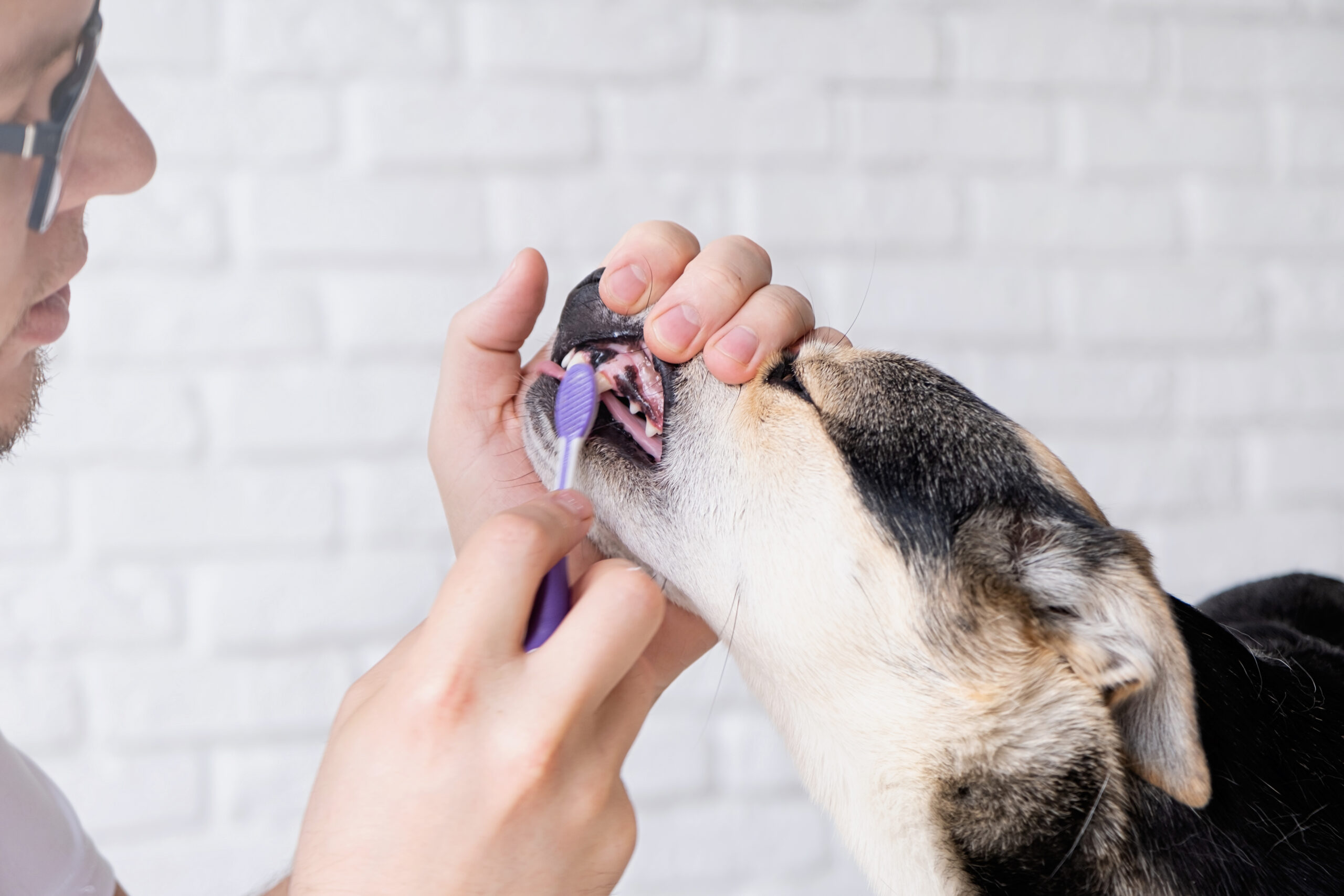
Ans. Yes! Brushing your dog’s teeth at home is one of the best ways to prevent plaque buildup. Use a pet-safe toothbrush and toothpaste, and aim for daily brushing if possible.
Q4. Why does my dog have bad breath?
Ans. Bad breath is often caused by the buildup of plaque and bacteria in your dog’s mouth. Regular cleaning and dental checkups can help reduce bad breath and improve oral health.
Q5. What are the signs that my dog needs dental care?
Ans. Signs that your dog may need dental care include bad breath, excessive drooling, difficulty eating, red or swollen gums, and pawing at their mouth.
Q6. What is a professional dog teeth cleaning?
Ans. A professional dog teeth cleaning involves a thorough cleaning by a veterinarian under anesthesia. It includes scaling to remove tartar and plaque buildup, followed by polishing to keep your dog’s teeth healthy.