We’re excited to meet you! New clients receive their first pet exam for just $37



Group Walks vs. Solo Walks: What’s Better for Your Dog?

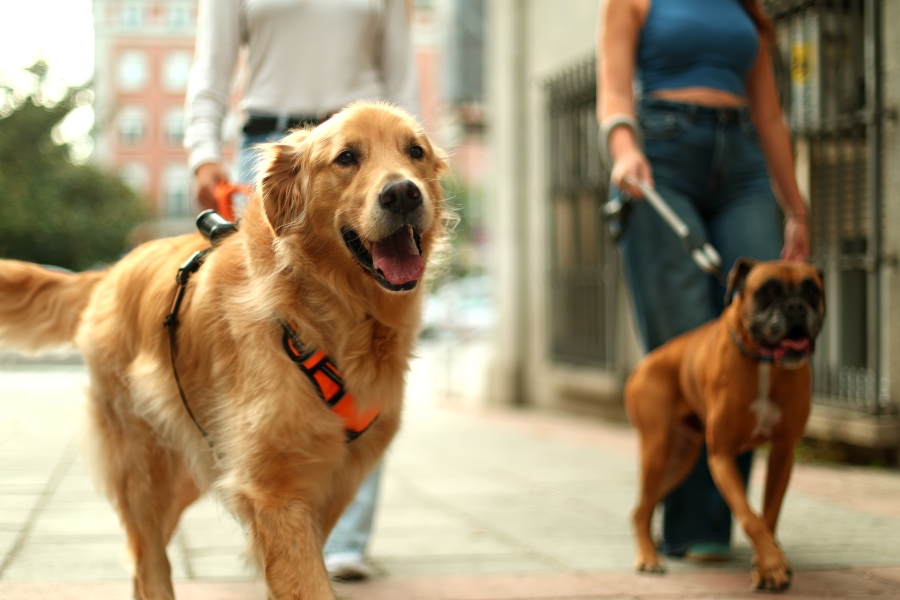
Walking your dog isn’t just a daily chore—it’s a bonding ritual, an exercise routine, and a window into your dog’s emotional world. But when it comes to choosing between group walks and solo walks, many pet parents find themselves torn. Each option has its perks, challenges, and suitability depending on your dog’s personality, energy level, and social comfort.
In this detailed guide, we’ll explore the major differences between the two, highlight the benefits and downsides of each, and help you decide which walking style best supports your dog’s health and happiness.
Walking 101: Why Your Dog’s Walk Matters So Much
A walk is more than just a bathroom break—it’s a multisensory adventure. Dogs explore their environment through scents, sounds, and sights. Regular walks help them:
- Maintain a healthy weight
- Strengthen muscles and joints
- Reduce anxiety and boredom
- Improve behavior and sleep quality
- Build social skills and confidence
However, how you walk your dog—whether solo or in a group—can deeply influence these benefits.
The Power of the Pack: Benefits of Group Walks
Dogs are naturally social animals. For many, walking with other dogs can be both enjoyable and enriching. Here’s how group walks can positively impact your pet:
1. Enhanced Socialization
Group walks expose dogs to different breeds, sizes, and temperaments. This helps them learn proper canine manners, reducing fear or aggression over time. Puppies, in particular, benefit immensely from structured group interactions.
2. Mental Stimulation Galore
Every new scent and every new friend adds a mental workout. The changing dynamics within the group challenge your dog to adapt, focus, and stay alert—key components of good mental health.
3. Energy Management
High-energy dogs often thrive in group walks because the collective pace keeps them engaged. The excitement of being part of a pack helps burn off excess energy more efficiently than a solo stroll.
4. Confidence Building
Shy dogs may gain confidence when they walk alongside well-behaved dogs. Over time, they learn to mirror calm behaviors and overcome social fears.
However, not all dogs enjoy the crowd. For some, too much excitement can lead to overstimulation or stress.
One-on-One Connection: Perks of Solo Walks
Solo walks are deeply personal experiences. They strengthen your bond with your pet and cater precisely to their physical and emotional needs.
1. Individual Attention
During solo walks, you can focus entirely on your dog—adjusting pace, route, and duration according to their mood and health. This personalized approach ensures your dog feels secure and understood.
2. Behavior Reinforcement
Solo walks are perfect for practicing leash manners, recall, and obedience training. Without distractions from other dogs, your pet can concentrate better on commands and learn faster.
3. Calm and Predictable Routine
For anxious or reactive dogs, solo walks create a peaceful space free from triggers like barking or crowding. It’s a stress-free environment ideal for mental balance.
4. Stronger Human–Dog Bond
Every quiet moment shared on a solo walk builds trust and affection. The undivided attention you give your dog enhances emotional connection—something group walks can’t replicate.
Mixing It Up: Finding the Perfect Balance
Many pet owners discover that alternating between group and solo walks gives their dogs the best of both worlds. For example:
- Two solo walks per week for training and bonding
- Three group walks per week for socialization and excitement
This hybrid approach keeps your dog physically active, mentally stimulated, and emotionally content.
Tips to Make Every Walk Count
Whether group or solo, your walking routine should be safe, consistent, and enjoyable. Keep these tips in mind:
- Check the weather: Avoid extreme heat or cold.
- Use the right gear: A comfortable harness and sturdy leash are musts.
- Stay hydrated: Carry water during long walks.
- Monitor behavior: Watch for signs of stress, fatigue, or overexcitement.
- Vary the routes: New environments prevent boredom and enhance curiosity.
- Reward good behavior: Use treats or praise to reinforce positive walking habits.
When in Doubt, Seek Professional Advice
If you’re uncertain which walk type benefits your dog the most, consult professionals who understand canine behavior and wellness. Trusted Levittown vets can evaluate your pet’s temperament, health, and activity level to guide you toward the most suitable walking routine.
Both group and solo walks offer valuable benefits—just in different ways.
- Group walks are ideal for sociable, energetic dogs who love activity and interaction.
- Solo walks work best for dogs that crave quiet, personal time or need focused attention.
Ultimately, the “better” walk depends on your dog’s personality and needs. Observe how they react, experiment with both styles, and build a balanced routine that keeps their tail wagging happily.
Because at the end of the day, whether surrounded by friends or walking side by side with you, what truly matters is that your dog feels loved, secure, and joyful every step of the way.