We’re excited to meet you! New clients receive their first pet exam for just $37



How to Choose the Best Animal Hospital Near You


Choosing an animal hospital is an important decision for every pet parent. Your pet needs more than occasional visits when something seems wrong. A dependable veterinary team can support routine wellness, preventive care, diagnostics, dental health, surgery, nutrition, and ongoing care throughout your pet’s life.
For families in Levittown, finding an ‘animal hospital near me‘ may be the first step, but location alone should not determine your choice. The right clinic should also offer appropriate medical services, clear communication, compassionate handling, and a team you feel comfortable trusting with your pet.
Here are some practical things to consider when comparing local veterinary practices.
Look Beyond Location
A nearby clinic is convenient, but convenience should be only one part of your decision.
Start by considering what your pet needs today and what they may need as they age. A young puppy or kitten may require different care from a senior dog or cat. Some pets may also need dental treatment, diagnostic testing, nutritional guidance, or surgical care at different points in their lives.
When researching an animal hospital, look for a practice that offers a broad range of veterinary services.
Useful services may include:
- Wellness examinations
- Preventive health care
- Dental evaluations and treatment
- Laboratory testing
- Diagnostic imaging
- Surgical services
- Nutritional consultations
- Senior pet care
- Puppy and kitten care
- Chronic condition monitoring
A comprehensive approach can make it easier to keep your pet’s medical history and care coordinated within one veterinary practice.
Evaluate the Veterinary Team
The people providing your pet’s care matter just as much as the equipment available at the clinic.
When learning how to choose a veterinarian, consider how the veterinary team communicates with you. A good veterinarian should take time to listen, explain findings, answer questions, and discuss appropriate care options.
During your first interaction, notice whether the staff:
- Listens carefully to your concerns
- Communicates clearly
- Treats your pet respectfully
- Explains procedures in understandable language
- Provides useful follow up instructions
- Encourages questions from pet parents
You should feel comfortable speaking openly about your pet’s health, behavior, diet, and daily routine.
Ask About Diagnostic Technology
Pets cannot tell us exactly what hurts or explain how they feel. Diagnostics can therefore be an important part of veterinary medicine.
When comparing local clinics, ask what diagnostic equipment and laboratory capabilities are available.
Depending on your pet’s needs, diagnostic services may include:
- Blood testing
- Urinalysis
- Digital radiography
- Other diagnostic imaging
- Microscopic examinations
- Additional laboratory testing
Having access to appropriate diagnostic tools can help veterinarians investigate symptoms more thoroughly and make informed decisions about treatment.
You do not necessarily need every diagnostic service under one roof. However, understanding what a clinic can provide can help you plan for your pet’s future healthcare needs.
Pay Attention to How Pets Are Handled
Some pets walk into a veterinary clinic without hesitation. Others become nervous as soon as they enter the building.
A thoughtful veterinary practice recognizes that animals have different personalities and comfort levels.
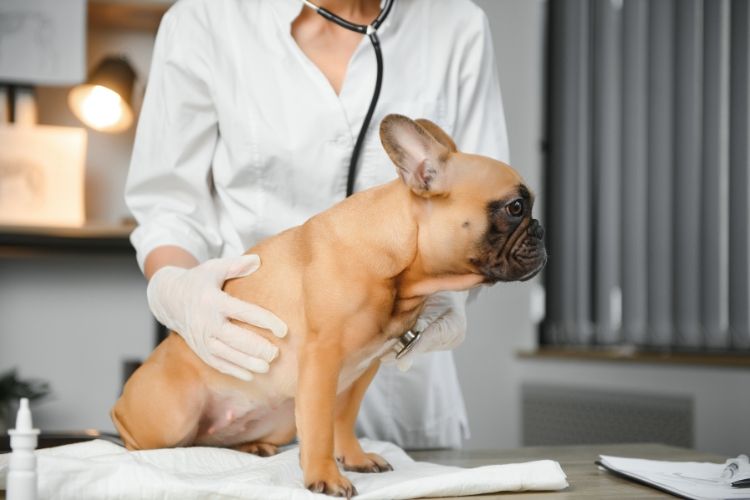
When visiting a clinic, observe how the staff approaches your pet. Gentle handling, patience, and calm communication can help create a more comfortable experience.
This can be particularly valuable for cats, fearful dogs, senior pets, or animals that have had difficult experiences in unfamiliar environments.
Ask the team how they approach nervous pets and whether they can adjust handling techniques based on an animal’s behavior.
Your pet does not need to love every veterinary visit, but their comfort and emotional well being should be taken seriously.
Consider Communication About Treatment
Clear communication can prevent confusion when your pet needs testing or treatment.
Before approving a procedure, you should understand why it has been recommended and what the veterinary team hopes to learn or accomplish.
A transparent conversation may cover:
- The reason for a recommended test
- What a procedure involves
- Possible follow up care
- Home care instructions
- Monitoring requirements
- Questions you should watch for after treatment
Treatment recommendations should be explained in a way that allows you to make informed decisions for your pet.
Look for Long Term Preventive Care
A veterinary relationship should not begin and end when your pet feels unwell.
Routine examinations give the veterinary team opportunities to monitor changes over time. Regular visits can also provide a chance to discuss weight, nutrition, dental health, activity, parasite prevention, behavior, and age related changes.
Preventive care can be especially useful because pets may hide subtle health changes.
A veterinarian who knows your pet’s history can compare current findings with previous examinations. This creates a more complete picture of your pet’s health over time.
Consider the Clinic’s Approach to Urgent Situations
Pet health concerns do not always happen during convenient hours. Before selecting a clinic, ask how the practice handles situations that require prompt veterinary attention.
Find out:
- What types of urgent concerns the clinic can evaluate
- How to contact the practice when your pet needs prompt attention
- Whether after hours guidance is available
- What situations may require referral
- How the clinic communicates next steps
Having this information before you need it can help you feel more prepared when your pet develops a sudden health concern.
Read Reviews, But Look for Patterns
Online reviews can help you narrow down your choices, but do not rely on a star rating alone.
Instead, look for recurring comments about communication, staff behavior, cleanliness, appointment experiences, follow up, and how pets are treated.
A top-rated vet clinic may look appealing online, but the right choice depends on your individual pet and expectations.
Try comparing several sources of information. Read the clinic’s website, review its services, speak with the staff, and consider visiting the practice if appropriate.
Think About Convenience for Your Family
Veterinary care is an ongoing responsibility, so practical factors matter.
Consider the clinic’s location, appointment process, communication options, operating hours, and accessibility. A practice that fits naturally into your routine can make it easier to maintain regular appointments.
For pet parents in Levittown, proximity can be useful, but the overall experience should still match your pet’s healthcare needs.
The goal is not simply to find the closest clinic. It is to find a veterinary practice where medical care, communication, accessibility, and your pet’s comfort come together.
Trust Your Experience During the First Visit
Your first appointment can tell you a great deal about a veterinary practice.
Pay attention to how the team welcomes you, how they interact with your pet, and whether the veterinarian gives you enough time to discuss concerns.
Ask questions. Explain your pet’s routine. Mention any behavior changes you have noticed.
You should leave the appointment with a clearer understanding of your pet’s health and the recommended next steps.
Finding the right ‘animal hospital near me’ is ultimately about establishing a relationship with a veterinary team that can support your pet through different stages of life.
Schedule Your Pet’s Appointment
If you are searching for veterinary care in Levittown, consider scheduling an online appointment with Levittown Animal Hospital. A visit gives you an opportunity to meet the veterinary team, discuss your pet’s needs, and learn more about the services available.
Choosing a veterinary practice before a major health concern develops can give you a trusted place to turn for routine care, diagnostics, treatment, and ongoing wellness support.
Frequently Asked Questions
Q1. What should I ask before choosing an animal hospital?
Ans: Ask about the services offered, diagnostic capabilities, appointment procedures, communication practices, handling of nervous pets, and options for situations requiring prompt veterinary attention. You can also ask how the practice manages follow up care and communicates treatment recommendations. These questions can help you determine whether the clinic is a suitable fit for your pet.
Q2. Is a nearby veterinary clinic always the right choice?
Ans: Location is helpful, but it should not be the only consideration. Your pet’s medical needs, the clinic’s available services, communication style, diagnostic resources, handling approach, and accessibility should also influence your decision. A slightly farther practice may be more suitable if it provides the type of care your pet requires.
Q3. Why should I ask about diagnostic equipment?
Ans: Diagnostic tools can help veterinarians investigate symptoms that cannot be explained through a physical examination alone. Laboratory testing and imaging may provide additional information about internal conditions, injuries, or changes in your pet’s health. Knowing what diagnostic services are available can help you understand the clinic’s capabilities.
Q4. How can I tell whether a clinic is comfortable handling nervous pets?
Ans: Ask the veterinary team how they approach fearful or anxious animals. During a visit, observe whether staff members use calm movements, patience, and gentle handling. A clinic that recognizes individual animal behavior and adjusts its approach can help make veterinary visits more manageable for pets that become stressed.
Q5. Should I choose a veterinary practice before my pet becomes sick?
Ans: Establishing a veterinary relationship early can be helpful because your pet can receive routine examinations and preventive care while the team becomes familiar with their medical history. Having an established clinic also means you already know how to contact the practice and what to expect if a health concern develops.