We’re excited to meet you! New clients receive their first pet exam for just $37



Indoor Kitten Care Tips to Support Healthy Growth and Enrichment

Raising an indoor kitten is one of the most rewarding experiences a pet owner can have, as well as one of the most impactful decisions you can make for your cat’s long-term health and safety. Indoor cats consistently live longer, healthier lives than their outdoor counterparts, but keeping a kitten thriving inside requires more than food and a litter box. From environmental enrichment to scheduling that all-important first vet visit, the kitten care tips in this guide are designed to give your new companion the strongest possible start. At Levittown Animal Hospital in Levittown, we help indoor kitten owners build routines that support healthy growth from day one.
Setting Up a Safe and Stimulating Indoor Environment
Before your kitten comes home, the environment they step into sets the tone for how comfortable, confident, and healthy they will grow up to be. Indoor kittens depend entirely on their surroundings for mental stimulation, physical activity, and emotional security, meaning that thoughtful setup matters far more than most new owners expect.
Start by kitten-proofing your home with the same thoroughness you would apply to a toddler. Electrical cords, toxic houseplants, small objects that can be swallowed, unsecured cabinets, and open washing machines or dryers are all hazards that are easy to overlook. Create a designated safe space: a quiet room with a comfortable bed, litter box, food and water, and a few toys where your kitten can decompress during the adjustment period before being given full run of the home.
Once your kitten is settled, enrichment becomes the cornerstone of their daily wellbeing. Cats are natural hunters, and without stimulation they can quickly become bored, anxious, or destructive. Vertical space, such as cat trees, wall-mounted shelves, and window perches, allows kittens to climb, observe, and satisfy their instinct to survey their environment from above. Rotating toys, puzzle feeders, and interactive play sessions with wand toys give them healthy outlets for their energy and build the bond between you and your pet.
Nutrition and Feeding Practices That Support Healthy Kitten Growth
One of the most important kitten care tips any veterinarian will share is this: what you feed your kitten in their first year of life has a lasting impact on their development, immune function, and long-term health. Kittens have significantly different nutritional needs than adult cats, namely, they require more protein, more calories per pound of body weight, and specific nutrients like DHA for brain development and calcium for bone growth.
Always choose a food labeled specifically for kittens or for “all life stages,” avoiding adult-only formulas during this critical window. High-quality protein should be the first ingredient. Whether you choose wet food, dry kibble, or a combination of both, consistency and appropriate portioning matter. Free-feeding dry kibble can be convenient but may contribute to overeating habits that follow a cat into adulthood.
Fresh water should be available at all times, and many cats are naturally drawn to moving water, meaning that a pet fountain can encourage better hydration, which is especially important for the long-term kidney health of indoor cats. Your veterinarian can recommend a feeding plan tailored specifically to your kitten’s breed, size, and growth rate during their first vet visit and each wellness appointment that follows.
Socialization, Play, and Mental Enrichment for Indoor Kittens
The indoor lifestyle trend in pet ownership is growing for good reason; however, it comes with a responsibility to compensate for the mental and physical stimulation that outdoor environments naturally provide. Socialization and enrichment are not optional extras for indoor kittens; they are essential components of healthy development.
The first few months of a kitten’s life represent a sensitive socialization window during which positive experiences with people, sounds, handling, and new environments shape their temperament for years to come. Regular gentle handling (specifically touching paws, ears, and mouth) builds the tolerance your veterinarian will appreciate at every future exam and makes routine care far less stressful for your cat throughout their life.
Interactive play is the most effective enrichment tool available to indoor kitten owners. Aim for at least two dedicated play sessions per day using wand toys, laser pointers, or crinkle balls. Play that mimics hunting behavior (stalk, pounce, catch) satisfies deep instincts and burns energy in a way that passive toys simply cannot. As your kitten grows, rotating toys regularly keeps their interest high and prevents the boredom that leads to furniture scratching, midnight zoomies, and attention-seeking behavior.
For households with a single kitten, consider whether a companion cat might be a good fit. Two kittens raised together often entertain and socialize each other in ways that enrich both of their lives and reduce the behavioral challenges that can come with solo indoor living.
The First Vet Visit: What to Expect and Why It Sets the Foundation
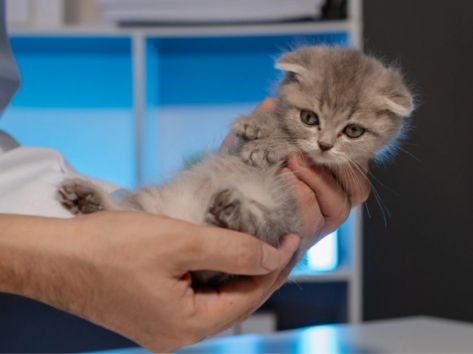
No set of kitten care tips would be complete without addressing the first vet visit: it is arguably the single most important step in your indoor kitten’s health journey. The first appointment should ideally take place within the first one to two weeks of bringing your kitten home, regardless of whether they appear healthy and are eating well.
During the vet visit, your veterinarian will perform a comprehensive head-to-tail physical examination covering the eyes, ears, mouth, heart, lungs, abdomen, skin, and limbs. This baseline exam establishes a health picture against which all future visits are compared, meaning that it often reveals conditions that are completely invisible to even the most observant owner, including heart murmurs, intestinal parasites, hernias, and early signs of infection.
Your veterinarian will also begin your kitten’s vaccination series, discuss deworming and parasite prevention appropriate for an indoor lifestyle, and walk you through a nutrition plan, litter box setup, and behavioral expectations for the weeks ahead. Testing for feline leukemia virus (FeLV) and feline immunodeficiency virus (FIV) is typically recommended even for indoor kittens whose prior exposure history is unknown.
Follow-up visits at twelve and sixteen weeks complete the core vaccine series and give your veterinary team the opportunity to monitor growth, address any concerns that have arisen at home, and discuss spay or neuter timing. At Levittown Animal Hospital, we view these early appointments not just as medical checkpoints but as the foundation of a long-term relationship between your cat, your family, and our team.
Conclusion: Indoor Kitten Care Is an Investment in a Lifetime of Health
The kitten care tips that matter most are the ones that build healthy habits early: consistent enrichment, appropriate nutrition, regular socialization, and proactive veterinary care starting with that first vet visit. Indoor life gives your kitten the gift of safety and longevity; the routines you establish in these early months give them the gift of thriving in it.
At Levittown Animal Hospital in Levittown, our team is here to support you and your kitten every step of the way. Schedule your kitten’s appointment today and let us help you build a care plan that supports healthy growth, enrichment, and a long, happy life together.
Frequently Asked Questions
Q1. When should I schedule my indoor kitten’s first vet visit?
The first vet visit should happen within the first one to two weeks of bringing your kitten home, ideally before eight weeks of age if possible. Even if your kitten looks healthy and is eating normally, early exams detect hidden conditions and establish the health baseline that guides every future visit. Your veterinarian at Levittown Animal Hospital will set up a visit schedule from there.
Q2. Do indoor kittens still need parasite prevention?
Yes, indoor kittens are not immune to parasites. Intestinal parasites can be present from birth, acquired from the mother, or introduced on clothing and shoes. Fleas can enter the home on people or other pets. Routine parasite screening and appropriate preventive products are still an important part of indoor kitten care, as your veterinarian will discuss at the first vet visit.
Q3. How much playtime does an indoor kitten actually need each day?
At minimum, two dedicated interactive play sessions of ten to fifteen minutes each day helps meet an indoor kitten’s physical and mental needs. Young kittens have bursts of intense energy followed by sleep, so shorter, more frequent sessions often work better than one long one. As your kitten grows, adjust the duration and intensity to match their energy level.
Q4. What are the best kitten care tips for preventing litter box problems early on?
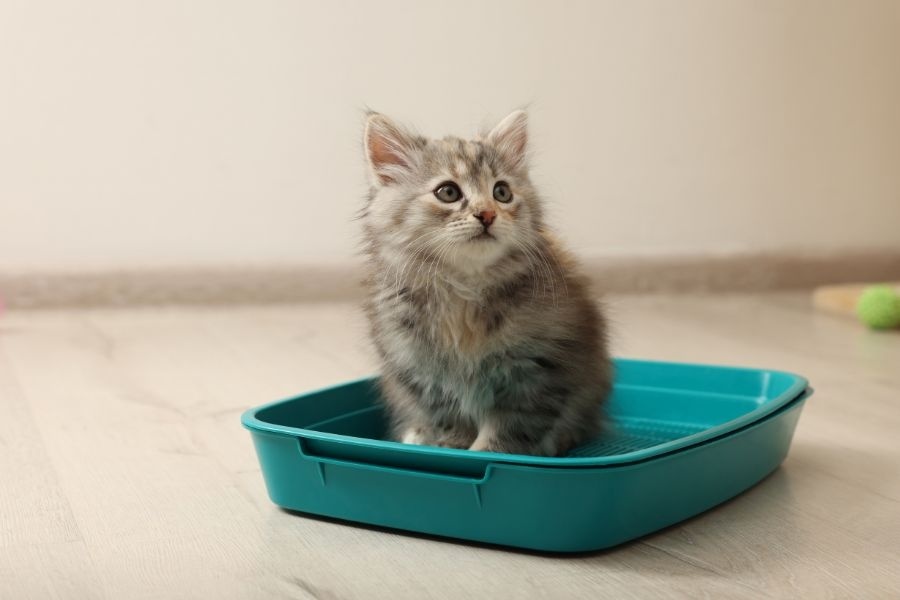
Provide one litter box per cat plus one extra, keep them in quiet and accessible locations, and scoop daily. Kittens are naturally inclined to use litter boxes, but cleanliness and accessibility are the two factors most likely to cause avoidance. Unscented, clumping litter works well for most kittens. If your kitten is consistently avoiding the box, mention it at your next veterinary visit to rule out a health-related cause.
Q5. Should I get a second kitten to keep my indoor cat company?
For many households, two kittens raised together provide each other with socialization, play, and companionship that meaningfully enriches their lives. If your schedule means your kitten spends significant time alone, a companion is worth considering. Introduce a second cat gradually and with guidance from your veterinarian to ensure the transition goes smoothly for both animals.