We’re excited to meet you! New clients receive their first pet exam for just $37



A Pet Parent’s Guide to Urgent Care in Levittown

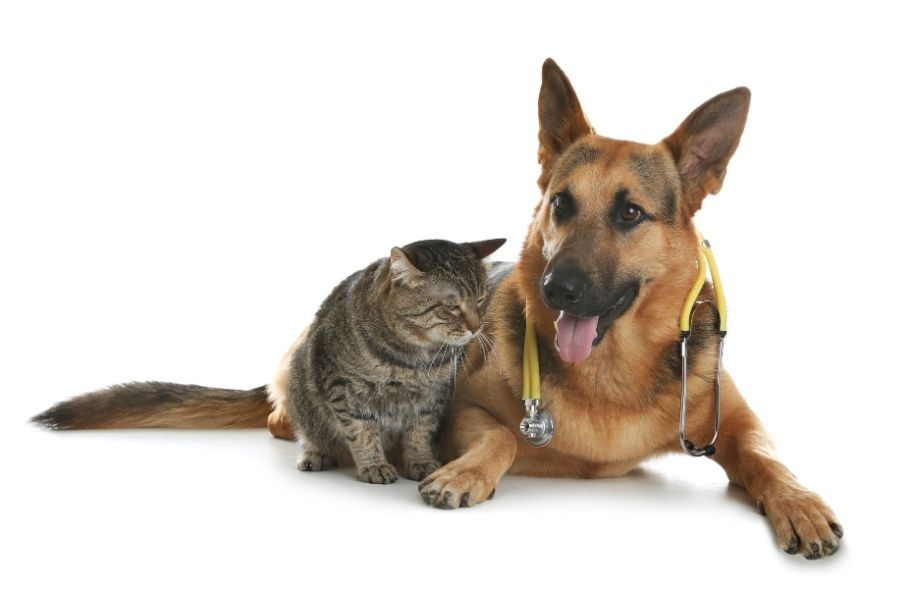
As a pet owner, few situations are more stressful than seeing your dog or cat suddenly become ill or injured. While routine wellness visits play an important role in keeping pets healthy, there are times when unexpected health concerns arise and require urgent care. Knowing when to seek veterinary attention can make a significant difference in your pet’s comfort, recovery, and overall well-being.
For families in Levittown, understanding the signs that indicate a medical issue needs prompt evaluation can help ensure pets receive the care they need without unnecessary delays.
Understanding Urgent Veterinary Care
Not every health concern requires immediate intervention, but some situations should not wait for a regularly scheduled appointment. Urgent veterinary services focus on conditions that need timely assessment and treatment to prevent complications or worsening symptoms.
Common situations that may require prompt veterinary attention include:
- Sudden vomiting or diarrhea
- Difficulty breathing
- Limping or mobility issues
- Eye injuries or irritation
- Allergic reactions
- Minor wounds and lacerations
- Ingestion of foreign objects
- Persistent pain or discomfort
Recognizing these warning signs early allows veterinarians to evaluate the problem and recommend appropriate treatment.
Signs Your Pet May Need Urgent Care
Pets often hide pain and illness remarkably well. Because of this, subtle behavioral changes can sometimes be the first indication that something is wrong.
Changes in Energy Levels
A normally active pet that suddenly becomes lethargic, withdrawn, or uninterested in favorite activities may be experiencing an underlying health issue. While occasional fatigue can be normal, prolonged changes deserve veterinary evaluation.
Ongoing Digestive Problems
Occasional stomach upset may resolve on its own, but repeated vomiting, diarrhea, or loss of appetite can indicate a more serious concern. These symptoms may lead to dehydration if left untreated.
Difficulty Walking or Standing
If your pet begins limping, struggles to get up, or appears reluctant to move, they may have sustained an injury or developed joint-related discomfort. Early treatment often helps improve outcomes and reduce discomfort.
Why Prompt Attention Matters
Many medical conditions become easier to manage when identified early. Delaying care can sometimes allow a minor issue to progress into a more complex health problem.
Benefits of Early Veterinary Evaluation
Seeking urgent care when symptoms first appear may provide:
- Faster diagnosis
- Earlier treatment options
- Reduced discomfort for pets
- Lower risk of complications
- Improved recovery outcomes
Veterinarians can assess symptoms, perform diagnostic testing if necessary, and create a treatment plan tailored to your pet’s needs.
Common Pet Injuries That Require Attention
Active pets naturally encounter situations that can lead to injuries. Whether indoors or outdoors, accidents can happen unexpectedly.
Soft Tissue Injuries
Running, jumping, and vigorous play can occasionally result in strains, sprains, or muscle injuries. Pets may show signs such as:
- Limping
- Swelling
- Reluctance to move
- Sensitivity when touched
Cuts and Wounds
Even small wounds can become problematic if bacteria enter the affected area. Prompt cleaning and evaluation help support proper healing.
Paw and Nail Injuries
Broken nails, paw pad injuries, and embedded debris can cause significant discomfort. These injuries often worsen when pets continue walking on the affected foot.
Digestive Emergencies Every Pet Parent Should Watch For
Curious pets frequently investigate their surroundings using their mouths. Unfortunately, this behavior can sometimes lead to digestive issues.
Potential warning signs include:
- Repeated vomiting
- Abdominal discomfort
- Excessive drooling
- Constipation
- Refusal to eat
- Difficulty passing stool
If these symptoms persist, seeking urgent care may help identify the underlying cause before complications develop.
For many pet owners in Levittown, quick action when digestive symptoms appear can help prevent more serious health concerns.
Respiratory Problems Should Never Be Ignored
Breathing difficulties are among the most important symptoms to monitor closely.
Signs of Respiratory Distress
Watch for:
- Rapid breathing
- Wheezing
- Persistent coughing
- Open-mouth breathing in cats
- Excessive panting unrelated to activity
Any noticeable breathing change should be evaluated by a veterinarian as soon as possible.
When Priority Care Becomes Important
Certain situations may not appear severe initially but can worsen quickly. This is where priority care becomes especially valuable.
Examples include:
- Sudden allergic reactions
- Eye injuries
- Minor bite wounds
- Unexplained swelling
- Urinary difficulties
Timely assessment allows veterinarians to intervene before symptoms become more difficult to manage.
How Veterinarians Diagnose Urgent Medical Concerns
When a pet arrives for evaluation, veterinarians gather information about symptoms, medical history, and recent activities.
Depending on the situation, diagnostic tools may include:
- Physical examinations
- Blood testing
- Digital imaging
- Urinalysis
- Fecal testing
- Pain assessments
These diagnostic methods help identify the cause of illness or injury and guide treatment recommendations.
Helping Your Pet Stay Safe
While some health issues cannot be prevented, proactive care can reduce risks.
Preventive Tips for Pet Owners
- Keep toxic substances out of reach
- Supervise outdoor activities
- Provide regular wellness exams
- Monitor changes in appetite and behavior
- Secure household hazards
- Maintain a healthy weight
Routine observation often helps pet owners recognize problems before they become severe.
For pet families throughout Levittown, staying attentive to behavioral and physical changes can support better long-term health outcomes.
Unexpected illnesses and injuries can happen at any time. Understanding the warning signs and knowing when to seek veterinary assistance helps ensure pets receive prompt medical attention when they need it most.
A proactive approach to pet health, combined with quick action when symptoms appear, can make a meaningful difference in your companion’s quality of life.
About Our Team
At Levittown Animal Hospital, we are committed to providing compassionate veterinary care and helping pets receive the attention they need when health concerns arise. Our experienced team focuses on thorough evaluations, personalized treatment plans, and ongoing support for pets and their families.
Schedule an Online Appointment
If your pet is showing signs of illness, discomfort, or injury, schedule an online appointment today to have them evaluated by a trusted veterinary professional. Book your appointment and help your pet receive timely medical attention.
Call Us Today
Have questions about your pet’s symptoms or need guidance on whether veterinary attention is necessary? Call us at: (516) 796-2266.Our team is here to help support your pet’s health and well-being.
FAQs
Q1. How do I know if my pet’s condition requires urgent veterinary attention?
Pets experiencing persistent vomiting, difficulty breathing, sudden weakness, significant pain, or unusual behavioral changes should be evaluated promptly. If symptoms appear suddenly or continue worsening, contacting a veterinarian is recommended to determine the appropriate next steps.
Q2. Can pets recover from minor injuries without veterinary care?
Some minor injuries may heal on their own, but it can be difficult to determine the extent of damage without an examination. Even small wounds or limping can indicate deeper issues that may benefit from professional evaluation and treatment.
Q3. What should I do before bringing my pet to an urgent veterinary visit?
Gather information about your pet’s symptoms, recent activities, medications, and any possible exposures to toxins or foreign objects. Providing detailed information helps the veterinary team make a more accurate assessment.
Q4. Are breathing changes always considered serious in pets?
Breathing changes should never be ignored. Rapid breathing, wheezing, persistent coughing, or noticeable respiratory distress can indicate underlying medical problems that require timely veterinary attention.
Q5. How can I prepare for unexpected pet health situations?
Keeping your veterinarian’s contact information accessible, monitoring your pet’s normal behavior, and scheduling routine wellness visits can help you respond more effectively when health concerns arise unexpectedly.