We’re excited to meet you! New clients receive their first pet exam for just $37


Why Senior Pet Health Monitoring Should Focus on Trends, Not Just Individual Symptoms

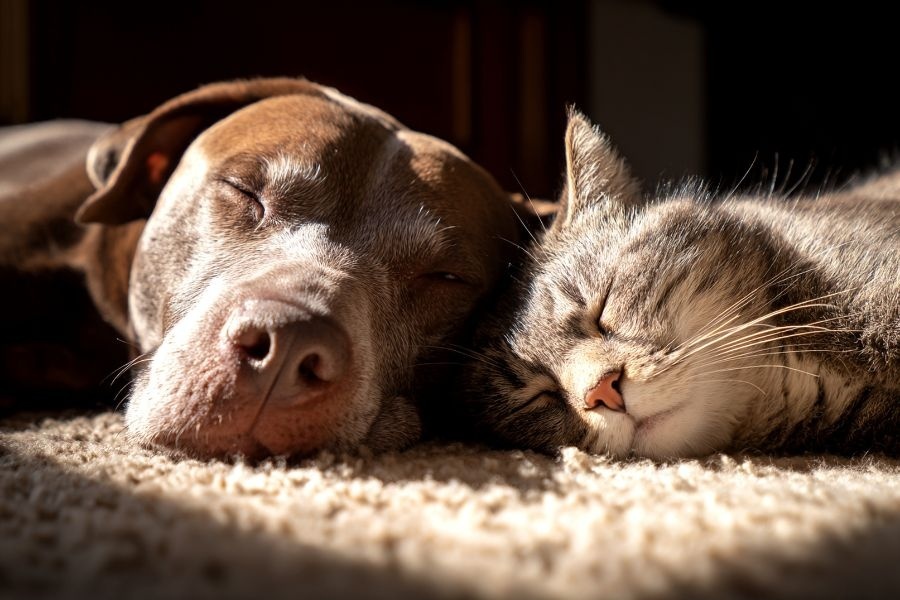
One skipped meal or one slow morning rarely tells you much about your older pet’s health. What matters is the pattern that builds over weeks and months, and that is the heart of effective senior pet care. For families in Levittown with aging dogs and cats, learning to track trends can help catch problems earlier and make every veterinary visit more productive.
Why Single Symptoms Can Be Misleading
Every pet has off days. A dog might skip breakfast after a hot afternoon, or a cat might hide during a thunderstorm. If you react to every small change, you may worry constantly. If you ignore everything, you may miss something important.
The challenge is that older pets are skilled at hiding discomfort. Many illnesses, including kidney disease, arthritis, thyroid problems, and diabetes, develop slowly. The early changes are so subtle that they blend into daily life and are easily explained away as “just getting older.”
A single symptom is also hard to interpret on its own. Drinking a little more water can be harmless one day and meaningful the next, depending on how long it continues. Weight is another example. A pet may gain or lose a few ounces from week to week, but a steady drift in one direction over several months tells a very different story.
This is why veterinarians care about direction and duration, not just snapshots. A trend shows whether something is stable, improving, or quietly getting worse. It turns vague worry into useful information.
What Trends Reveal About Aging Dogs and Cats
When you look at changes over time, patterns begin to appear that a single visit could never show. Weight and muscle condition can reveal slow loss that hides behind a normal-looking number. Appetite and thirst patterns can point toward kidney disease, diabetes, or dental pain. Changes in sleep, energy, and mobility can signal joint pain or cognitive changes.
Many early warning signs are only visible as trends. For aging dogs and cats, these might include:
- Gradual weight loss or gain
- Drinking or urinating more often than usual
- Slower rising, shorter walks, or reluctance to jump
- Changes in litter box habits or house-training
- Restlessness or wandering at night
- Dulling of the coat or reduced grooming
- Bad breath, drooling, or chewing on one side
One of these signs may mean little. Several together, or one that keeps getting worse, deserves attention. Seeing the full picture helps your veterinarian decide which tests to run and how quickly.
Trends also show whether treatment is working. If your pet starts pain medication, a new diet, or a thyroid treatment, your notes can reveal how much progress is being made. Without a record, it is easy to forget what “normal” looked like a few months ago.
How to Track Your Senior Pet’s Health at Home
You don’t need special equipment to monitor trends. A simple routine and a notebook or phone app are enough. The goal is consistency, so choose a few things to track and check them regularly.
Here are some easy habits to start with:
- Weigh your pet monthly. Use a baby scale for cats and small dogs, or weigh yourself with and without your pet.
- Take photos and short videos. A side photo and a clip of your pet walking, climbing, or getting up make slow changes obvious.
- Note appetite and water intake. A quick daily note on how much your pet eats and drinks can reveal subtle shifts.
- Count breaths at rest. Your veterinarian can show you how to measure your pet’s sleeping breathing rate, which can be an early sign of heart or lung problems.
- Record good and bad days. A calendar with simple marks shows whether the balance is shifting.
Gently run your hands over your pet’s body once a month as well. Feel for new lumps, changes in muscle along the spine and hips, and areas that seem sore. Check the mouth, eyes, and coat while you’re at it.
Keep your notes in one place and bring them to each visit. Dates matter, so include when you first noticed something. Even rough notes help your veterinarian far more than relying on memory.
Senior Pet Care Visits Turn Your Notes Into Answers
Your observations at home are valuable, but they are only half of the picture. Regular veterinary exams add the objective information that you can’t see or measure yourself. A thorough senior exam includes weight, body and muscle condition, joints, teeth, heart, lungs, and abdomen.
Diagnostic testing helps too. Bloodwork, a urinalysis, and blood pressure checks give your veterinarian measurable numbers that can be compared from visit to visit. Even when everything is normal, those results become a baseline, which makes subtle changes far easier to spot later. A kidney value that creeps upward over two years can be caught and managed long before your pet feels sick.
Most veterinarians recommend senior wellness exams about every six months. Pets age faster than people, and six months can bring meaningful changes. More frequent visits may be best for pets with chronic conditions or new symptoms.
Bring your notes, photos, and videos to each appointment. Together, your home records and the clinic’s findings create a clear picture of how your pet is truly doing. That partnership is the foundation of good senior pet care, and it gives you confidence that small changes won’t slip through the cracks.
Conclusion: Watch the Pattern, Not Just the Moment
Individual symptoms are worth noticing, but trends tell the real story. By tracking weight, appetite, mobility, and behavior over time, and by pairing your notes with regular exams and testing, you give your veterinary team the information they need to act early. For aging dogs and cats, that early action can mean more comfort and more good years.
If you’d like help building a monitoring plan for your older companion, the team at Levittown Animal Hospital in Levittown is here to support you. We can review your notes, perform a thorough senior exam, and recommend a schedule that fits your pet’s needs. Strong senior pet care starts with paying attention, and you’re already doing that.
At Levittown Animal Hospital in Levittown, we are committed to helping senior pets stay healthy, comfortable, and well monitored. Schedule your pet’s visit today and give your pet the care they deserve.
Frequently Asked Questions
Q1. How often should I weigh my senior pet?
Ans: Once a month is a good routine for most senior pets. Use the same scale, at a similar time of day, and write down the number. Any steady drop or gain over a few months is worth sharing with your veterinarian.
Q2. What is a resting breathing rate, and why does it matter?
Ans: It’s the number of breaths your pet takes per minute while calm or asleep. A rate that rises over time can be an early clue to heart or lung problems. Ask your veterinarian to show you how to count it and what range is normal for your pet.
Q3. How do I know if a symptom is serious enough to call the vet?
Ans: Call promptly for trouble breathing, collapse, repeated vomiting, inability to urinate, or sudden severe changes. For milder changes, such as slow shifts in appetite or energy that last more than a week or two, schedule a visit.
Q4. Are blood tests really needed if my pet seems healthy?
Ans: Yes, for most seniors. Routine bloodwork can reveal problems before symptoms appear, and healthy results create a baseline for future comparison. Your veterinarian can recommend how often to test based on your pet’s age and health.
Q5. Where can I find senior pet care in Levittown?
Ans: Look for a local animal hospital that offers senior wellness exams, diagnostic testing, and guidance on home monitoring. Ask how often your pet should be rechecked and how the team shares and tracks results over time.