We’re excited to meet you! New clients receive their first pet exam for just $37



Why Regular Veterinary Visits are Key to Your Pet’s Longevity and Happiness

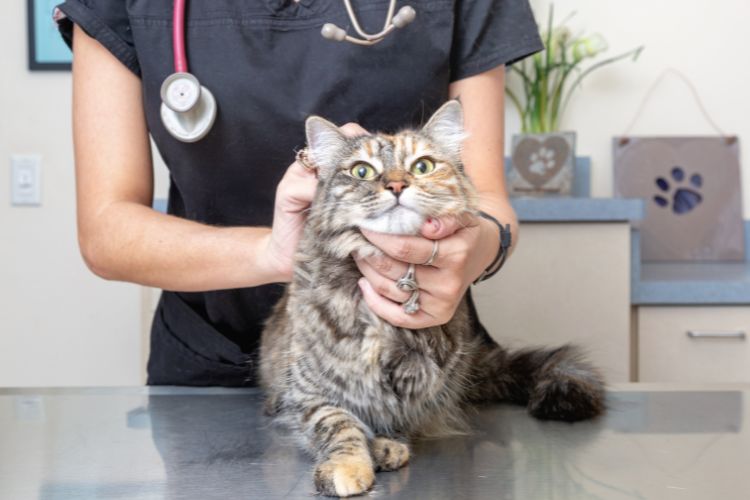
As a pet parent, one of your primary concerns is ensuring your furry friend lives a long, healthy, and happy life. Whether you’re a first-time pet owner or you’ve shared your home with multiple animals, you understand how important it is to monitor your pet’s health. One of the best ways to ensure their well-being is through regular veterinary visits. These checkups are vital not just for diagnosing illnesses early but also for preventing future health issues.
This blog discusses why regular veterinary visits are key to your pet’s longevity and happiness, especially for people with pets in Levittown, NY. Routine checkups, vaccinations, and preventive care can make a world of difference in your pet’s health. Let’s explore how these visits benefit your pet, what to expect during them, and why skipping them can lead to serious consequences.
Understanding the Importance of Regular Vet Visits
Regular veterinary visits are essential to your pet’s overall health, yet many pet owners overlook them, thinking that their pets seem fine or only need help when something goes wrong. In reality, routine checkups play a significant role in detecting health issues before they become severe and harder to treat.
These visits help build a solid foundation for your pet’s well-being by focusing on prevention. A healthy diet, proper vaccinations, and even dental cleanings are all part of what your veterinarian monitors during these appointments. They aren’t just about treating illness; they’re about making sure your pet stays healthy and happy in the long run.
For pet owners in Levittown and the surrounding areas, regular veterinary visits become even more important with the region’s weather changes, which can affect your pet’s health. The seasonal shifts in New York require particular care for pets’ coats, allergies, and overall health.
The Role of Preventive Care in Your Pet’s Health
Routine visits to the vet aren’t just about catching illnesses early; they’re an opportunity for preventive care. Preventive care includes vaccinations, parasite prevention, and screenings for common conditions such as dental disease or arthritis, which may not show obvious symptoms early on.
Vaccinations
Vaccines are one of the most crucial aspects of preventive care. They protect your pet from serious, contagious diseases like rabies, distemper, and parvovirus. Regular checkups allow your vet to administer boosters to keep your pet’s immunity strong and up to date.
Parasite Prevention
Fleas, ticks, and heartworms can cause severe health problems in pets. During regular vet visits, your veterinarian can recommend the right parasite prevention plan based on your pet’s age, breed, and lifestyle.
Dental Care
Just like humans, pets can suffer from dental disease. Routine checkups allow your vet to perform oral exams and cleanings to prevent painful conditions like gingivitis, which can lead to more severe health issues.
Things That Happen During a Regular Veterinary Checkup
A routine checkup involves more than just a physical exam. Here’s what you can expect during a routine visit:
Physical Examination
Your vet will check your pet’s overall health, including skin, eyes, ears, and teeth. They’ll also palpate your pet’s abdomen and joints to check for signs of discomfort or abnormalities, giving your vet a chance to notice small issues that could become bigger problems down the line.
Blood Work and Testing
Your veterinarian may recommend routine blood tests, particularly for older pets, to assess organ function and detect hidden conditions such as kidney disease, liver disease, or diabetes. Early detection of these issues can significantly improve treatment outcomes.
Weight Check
Obesity is a growing concern for pets. Your vet will weigh your pet during each visit to make sure they’re at a healthy weight. They’ll provide guidance on diet and exercise to maintain or reach an ideal weight.
The Risks of Skipping Regular Veterinary Visits
Skipping regular visits can have serious consequences. When pets don’t receive the preventive care they need, small issues can turn into significant health problems. For instance, untreated dental disease can lead to infections and tooth loss. Parasitic infections can cause long-term damage to your pet’s internal organs if left untreated.
Additionally, some diseases don’t show symptoms until they are quite advanced. By the time you notice something is wrong, the condition might be more difficult to treat. Regular checkups ensure that your pet gets the care they need before problems escalate.
The Impact on Your Pet’s Longevity and Happiness
Regular veterinary visits are directly linked to your pet’s overall quality of life. A healthy pet is a happy pet, and by staying on top of their health care, you’re helping them live a longer, more comfortable life.
Health Benefits
Regular checkups for your pet significantly improve their chances of staying healthy. From vaccinations to routine screenings, regular visits give your vet the chance to intervene early and treat illnesses before they progress.
Early Detection and Treatment
A pet that visits the vet regularly is more likely to have health issues detected early, which means treatments are more effective and less invasive.
Mental and Emotional Well-being
Regular veterinary visits help improve physical health, and they also help keep your pet emotionally and mentally happy. When pets feel good physically, they’re more likely to engage in play and bonding with you. Healthy pets are often more energetic and playful, providing more joy in your home.
How to Make Regular Vet Visits a Habit
Making regular visits to the vet a habit is easier than it seems. Here’s how to ensure you keep your pet’s health care on track:
- Set reminders: Use your phone or calendar to set reminders for your pet’s checkups and vaccinations. You can also set up reminders with your vet’s office to help you stay on schedule.
- Stay consistent: Establish a routine with your vet for annual checkups. Consistency ensures that you never miss an appointment and gives your pet a sense of familiarity with the vet.
- Stay informed: Ask your veterinarian about your pet’s health needs, and keep track of their care. Knowing what to expect at each visit can help you feel more prepared and less stressed.
A Lifelong Commitment to Your Pet’s Health
Regular veterinary visits are critical to ensuring your pet’s longevity and happiness. These visits provide preventive care, detect health issues early, and ensure your pet leads a healthy, active life. By staying on top of your pet’s health care, you’re setting them up for a long, happy, and fulfilling life with you.
If you’re in Levittown or the surrounding areas, consider scheduling your appointment with Levittown Animal Hospital today. Our dedicated team, caring near you, is here to help. Don’t wait any longer and contact us to book your visit now!
FAQs
1. What should I bring to my pet’s checkup?
Bring your pet’s medical records, any medications they’re currently taking, and a list of any concerns or symptoms you’ve noticed, which helps your vet provide the best care possible.
2. How often should I bring my pet to the vet?
Most pets should visit the vet at least once a year for a routine checkup. Senior pets or those with health issues may require more frequent visits. Regular checkups are crucial for maintaining your pet’s health.
3. What is included in a veterinary checkup?
A veterinary checkup typically includes a physical exam, dental checkup, weight check, vaccinations, and blood work to monitor your pet’s overall health.
4. Are vaccinations necessary for adult pets?
Yes, adult pets need regular vaccinations to protect them from serious diseases. Your vet will recommend a vaccination schedule based on your pet’s lifestyle and health.
5. How can I tell if my pet needs a vet visit sooner than planned?
If your pet is showing signs of illness, such as lethargy, loss of appetite, vomiting, or changes in behavior, it’s essential to visit the vet sooner rather than later.
6. How can I prepare my pet for a vet visit?
Make sure your pet is comfortable in the car, bring along any medical records or medications, and have a list of questions or concerns ready. If you’re visiting during the busy seasons, such as spring, it’s a good idea to book your appointment in advance.