We’re excited to meet you! New clients receive their first pet exam for just $37



Signs Your Pet Needs Dental Care: What Every Owner Should Know

Healthy teeth and gums play a big role in your pet’s daily comfort and overall wellness. Many pet owners focus on food, exercise, and vaccinations, yet dental health often gets ignored until clear problems begin to show. Pain, infection, and difficulty eating can develop slowly, making early warning signs easy to miss without proper awareness.
This blog is especially for pet owners of Levittown, NY, as well as those in nearby areas like East Meadow, Bethpage, Hicksville, Westbury, Merrick, and Bellmore who want to better understand their pet’s dental needs. Many pet owners also visit from farther areas, including Suffolk County, New York City, New Jersey, and Connecticut. Knowing what to watch for and when to act can help prevent serious health concerns later. Paying attention to small changes in behavior or appearance often makes a meaningful difference in pets’ long-term oral health.
Why Dental Health Matters More Than You Think
Dental care is not only about keeping your pet’s breath fresh or teeth clean. Poor oral hygiene can lead to infections that spread beyond the mouth and affect vital organs over time. Bacteria from untreated dental disease may enter the bloodstream and impact the heart, liver, and kidneys.
Many pets hide discomfort naturally, which makes dental problems harder to detect early. Subtle changes in eating habits or mood may be the only signs that something is wrong. Regular observation and routine vet visits help catch these problems before they become severe.
Ignoring pet dental care can lead to painful conditions that reduce your pet’s quality of life. Preventive care helps avoid costly procedures and unnecessary suffering later. Keeping your pet’s mouth healthy supports a longer and happier life.
Early Warning Signs You Should Never Ignore
Recognizing the signs of dental disease in pets can help you act before problems worsen. Some symptoms may appear mild at first but often signal deeper issues beneath the surface.
Bad Breath That Does Not Improve
Persistent foul odor from your pet’s mouth often indicates bacterial buildup or infection that requires attention.
Difficulty Chewing or Dropping Food
Pets struggling to eat comfortably may be dealing with tooth pain or gum inflammation.
Red or Swollen Gums Around Teeth
Healthy gums should look pink and firm, while redness or swelling points to irritation or disease.
Yellow or Brown Buildup on Teeth
Visible tartar accumulation is a clear sign that cleaning and evaluation are needed soon.
Excessive Drooling or Pawing at the Mouth
Unusual drooling or repeated face touching can indicate discomfort or irritation inside the mouth.
Each of these signs should prompt a closer look and a visit to a veterinarian if they persist. Early detection helps reduce the need for more advanced pet dental treatment later.
Subtle Behavior Changes That Reveal Dental Pain
Pets often express pain through changes in behavior rather than obvious physical symptoms. Paying attention to these shifts can help identify issues that might otherwise go unnoticed.
A normally playful pet may become withdrawn or less active when dealing with dental discomfort. Changes in appetite can also indicate underlying oral problems. Some pets may become irritable or sensitive when their faces or mouths are touched.
Sleeping patterns might change as well, especially if pain interferes with rest. Observing these behavioral clues alongside physical signs provides a more complete picture of your pet’s condition. Regular monitoring at home helps catch issues early and prevent discomfort from worsening.
Understanding What Causes Dental Problems in Pets
Dental disease develops over time due to a combination of factors that affect your pet’s mouth. Food particles and bacteria form plaque, which hardens into tartar if not removed regularly. The buildup irritates the gums, leading to inflammation and infection.
Age plays a role in dental health, raising the question of when pets develop dental disease. Many pets begin to show signs as early as three years old, although smaller breeds may develop issues even sooner. Diet, genetics, and lack of routine cleaning also contribute to dental problems.
Without proper care, mild plaque can progress into severe periodontal disease. The condition damages the structures supporting the teeth and may lead to tooth loss. Understanding these causes helps pet owners take preventive steps early.
When to Seek Help for Your Pet’s Dental Health
Knowing when my pet needs dental care can prevent minor issues from becoming serious health concerns. Regular checkups with a veterinarian are essential for maintaining healthy teeth and gums. Even if no symptoms are visible, routine exams help detect hidden problems.
Professional evaluation is necessary when you notice persistent bad breath, visible tartar, or changes in eating behavior. Waiting too long can result in pain and more complex procedures later. Timely care reduces stress for both pets and owners.
Routine dental assessments also allow vets to recommend appropriate cleaning schedules and home care practices. Staying proactive ensures your pet receives the care needed to maintain strong oral health.
What Happens During a Dental Checkup
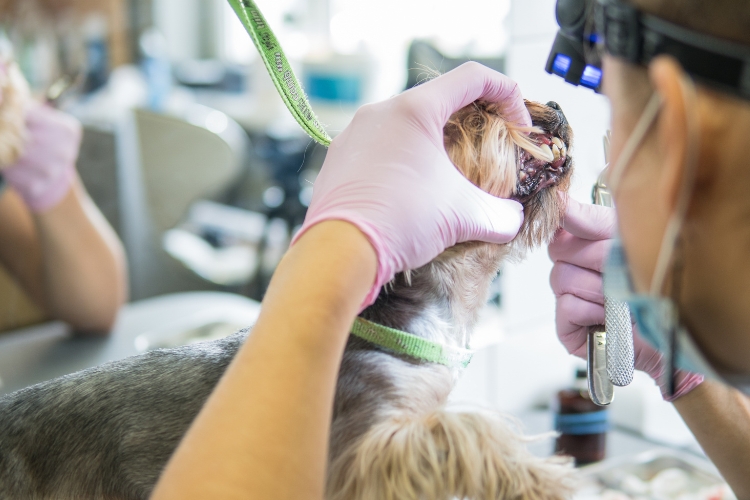
A dental checkup involves a thorough examination of your pet’s mouth, teeth, and gums. The veterinarian looks for signs of infection, damage, or disease that may not be visible at home. In some cases, additional diagnostics may be needed to assess deeper structures.
Professional cleaning removes plaque and tartar buildup that cannot be addressed with brushing alone, which helps restore healthier gums and prevent further progression of the disease. Treatment plans may include extractions or medications if advanced issues are found.
Understanding the process helps reduce anxiety about veterinary visits. Regular dental checkups play an important role in keeping your pet comfortable and healthy.
Simple Habits That Help Maintain Healthy Teeth
Preventive care at home supports your pet’s dental health between veterinary visits. Consistent habits make a significant difference in reducing plaque buildup and keeping teeth cleaner.
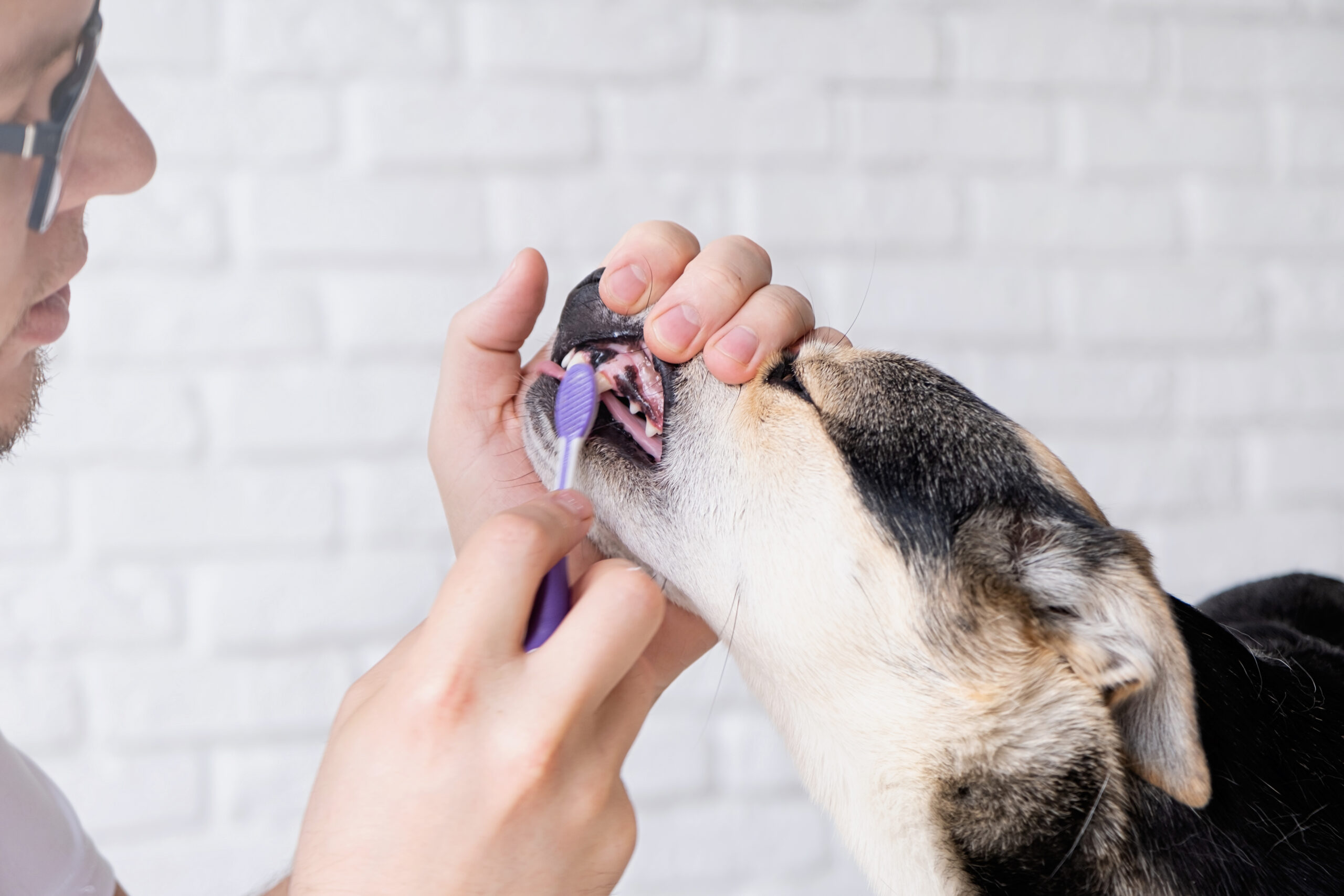
- Brushing your pet’s teeth regularly
Using pet-safe toothpaste helps remove plaque and keeps the mouth cleaner over time. - Providing dental-friendly treats and toys
Certain products are designed to reduce tartar while satisfying your pet’s chewing instincts. - Scheduling routine veterinary checkups
Regular visits ensure early detection and timely intervention for potential issues. - Monitoring changes in eating and behavior
Staying alert to subtle differences helps identify problems before they worsen.
Combining these practices with veterinary professional care creates a strong foundation for pets’ lifelong oral health.
Long-Term Benefits of Prioritizing Dental Care
Investing in dental health offers lasting benefits that go beyond the mouth. Pets with healthy teeth and gums are more likely to eat comfortably and maintain proper nutrition. Reduced pain leads to better mood, energy levels, and overall well-being.
Preventive care also lowers the risk of infections spreading to other parts of the body. Early intervention minimizes the need for extensive treatments and reduces long-term costs. A consistent approach to dental care supports a happier and healthier life for your pet.
Keep Your Pet Smiling Bright for Years Ahead
Caring for your pet’s teeth is an important part of responsible ownership. Dental problems can develop quietly, but early attention helps prevent serious complications. Levittown Animal Hospital offers pet dental treatment designed to address both early signs and advanced concerns with care that focuses on your pet’s comfort and well-being.
If you are in Levittown and looking for reliable pet dental care, book an appointment with Levittown Animal Hospital to make a meaningful difference. A dedicated vet and caring veterinary team will guide you through every step, from evaluation to treatment, ensuring your pet receives the attention needed for a healthier smile.
Frequently Asked Questions
1. How often should my pet have a dental checkup?
Most pets benefit from an annual dental exam, although some may need more frequent visits based on their condition and age.
2. Can dental disease affect my pet’s overall health?
Yes, untreated dental issues can lead to infections that impact major organs and reduce overall wellness.
3. Is bad breath always a sign of dental problems?
Persistent bad breath is often linked to dental disease and should be evaluated by a veterinarian.
4. Are certain pets more prone to dental issues?
Smaller breeds and older pets tend to develop dental problems more quickly than others.
5. What can I do at home to improve my pet’s dental health?
Regular brushing, proper diet, and dental treats keep teeth clean between veterinary visits.