We’re excited to meet you! New clients receive their first pet exam for just $37



Managing Seasonal Allergies in Long Island Dogs: What Levittown Pet Owners Need to Know

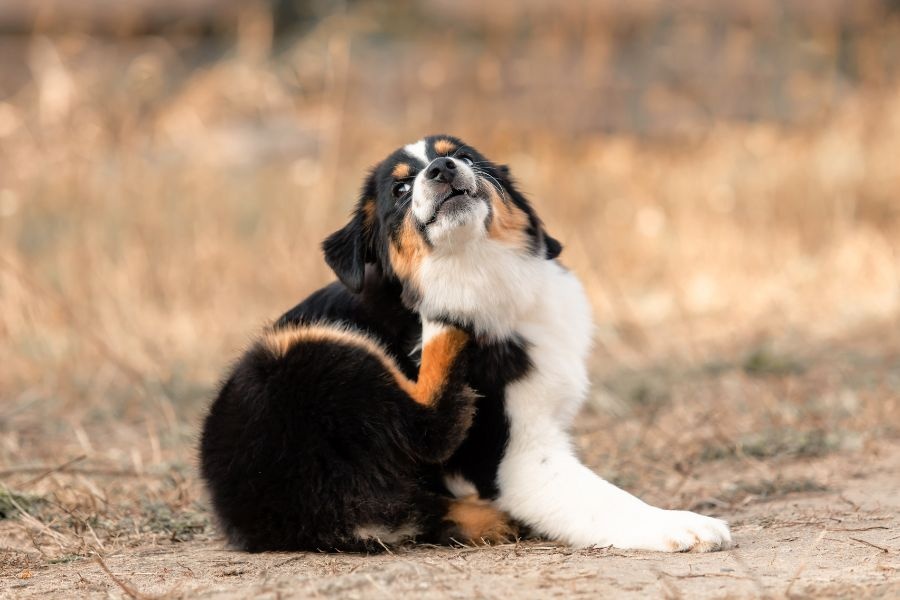
Changing seasons bring plenty of excitement for outdoor lovers across Long Island. Warmer breezes, blooming flowers, and lush green lawns signal the arrival of delightful weather for weekend park visits and long neighborhood strolls with your canine companion. However, for many dogs, this seasonal shift also marks the uncomfortable arrival of environmental triggers. If your dog starts scratching incessantly, licking their paws raw, or shaking their head every time the weather warms up, seasonal environmental sensitivities are likely the culprit.
Understanding how environmental triggers affect your dog is an essential part of responsible pet ownership. While humans typically experience pollen irritation through sneezing and watery eyes, dogs manifest these sensitivities primarily through their skin. Knowing how to identify the early warning signs and working alongside local vets in Levittown can make a tremendous difference in your dog’s daily comfort. Here at Levittown Animal Hospital in Levittown, our veterinary team frequently guides local pet families through managing these chronic flare-ups. Let us explore what causes canine skin reactions and how you can help your dog find lasting relief.
What Causes Seasonal Canine Sensitivities?
Just like people, dogs can develop immune system overreactions to harmless environmental substances known as allergens. When a sensitive dog inhales, absorbs, or comes into direct contact with these microscopic triggers, their body mounts an exaggerated defensive response, releasing histamines and causing widespread inflammation.
In the Long Island region, seasonal triggers shift throughout the year. Springtime introduces heavy tree pollens, while summer brings an abundance of grass pollens and weed growth. As autumn rolls in, mold spores from decaying leaves and weed pollens like ragweed take center stage. Because these particles drift easily through the air or settle onto grass and pavement, outdoor playtime can quickly turn into a frustrating cycle of itching and irritation for sensitive pups.
Recognizing the Common Signs of Dog Allergies
Unlike human respiratory allergies, canine environmental sensitivities almost always present as dermatological issues. Dogs lack the same mucous membrane reaction that causes human sneezing fits, so their skin bears the brunt of the immune response. Recognizing the early indicators allows you to intervene before mild itching escalates into painful skin infections.
Common indicators that your dog is reacting to environmental triggers include:
- Incessant Paw Licking or Chewing: Dogs often focus their irritation on their paws, licking and nibbling between their toes until the fur turns a reddish-brown stain from saliva.
- Frequent Scratching and Rubbing: You may notice your dog constantly scratching their ears, rubbing their face against carpets or furniture, or rolling on their back to scratch hard-to-reach areas.
- Ear Infections: The ear canal is lined with specialized skin glands that produce excess wax and inflammation when triggered, leading to frequent head shaking, foul odors, or visible discharge.
- Red, Inflamed Skin: Pay attention to areas with sparse fur, such as the belly, groin, armpits, and facial folds, which often turn bright red and irritated.
The Hidden Danger of Secondary Skin Infections
When a dog scratches, bites, or licks at itchy skin continuously, they compromise the natural protective barrier of the skin. Tiny micro-abrasions form, allowing everyday bacteria and yeast that normally live harmlessly on the skin surface to invade the tissue.
This leads to secondary bacterial or yeast infections, which amplify the itching and cause scaling, hair loss, crusting, and a distinct musty odor. Addressing dog allergies early prevents this painful cycle from developing. Managing the underlying immune response is the only way to stop the relentless urge to scratch, allowing the skin barrier to heal properly.
Practical At-Home Strategies for Relief
While professional veterinary guidance is essential for long-term management, several practical home routines can significantly reduce your dog’s daily exposure to environmental triggers. Implementing these simple habits helps keep your dog comfortable during peak pollen seasons:
- Wipe Paws After Walks: Keep a damp cloth or pet-safe wipes near the door to clean your dog’s paws and belly immediately after outdoor walks, removing pollen grains before they can be licked or transferred indoors.
- Bathe with Hypoallergenic Shampoos: Regular baths using vet-approved, soothing formulations wash away surface allergens trapped in the coat and hydrate dry skin.
- Wash Bedding Frequently: Wash your dog’s bedding, blankets, and plush toys weekly in hot water to eliminate accumulated dust, pollen, and dander.
- Filter Indoor Air: Run high-efficiency particulate air purifiers inside your home and keep windows closed during high-pollen days to minimize indoor allergen circulation.
Partnering with Your Local Veterinary Team
Managing chronic environmental sensitivities requires a customized, multi-layered approach because no two dogs react to triggers in the exact same way. What works wonderfully for one dog might require adjustment for another. Comprehensive diagnostic testing helps pinpoint specific triggers, allowing veterinarians to formulate tailored relief plans.
Modern veterinary medicine offers advanced options that safely block the itch pathway and calm overactive immune responses without the heavy side effects of older medications. Collaborating with knowledgeable professionals ensures your dog receives precise, safe, and effective care tailored to our regional climate.
Supporting Your Pet in Levittown
Navigating seasonal environmental challenges does not have to be an overwhelming battle. With a proactive plan and consistent home management, your dog can enjoy the beautiful weather right alongside you without constant discomfort.
Our team at Levittown Animal Hospital is proud to serve families throughout the Levittown community. Whether your dog is experiencing mild paw nibbling or severe seasonal discomfort, our experienced professionals are here to provide comprehensive guidance on seasonal allergies. Reach out to our Levittown clinic today to schedule a consultation and help your canine companion live a comfortable, itch-free life.
FAQ
Q1. Why do dogs show seasonal allergies primarily through skin irritation rather than sneezing?
Ans: Dogs process environmental triggers differently than humans, releasing histamines that target their skin, paws, and ears, causing intense itching instead of respiratory symptoms.
Q2. How can I safely clean my dog’s paws after outdoor walks to reduce allergen exposure?
Ans: You can use a damp washcloth, pet-friendly wet wipes, or a gentle paw washer filled with warm water to remove trapped pollens before your dog enters the house.
Q3. Why do dogs with seasonal sensitivities frequently develop recurring ear infections?
Ans: The delicate skin inside the ear canal becomes inflamed and produces excess wax when exposed to environmental triggers, creating a warm environment where bacteria and yeast thrive.
Q4. What distinguishes environmental sensitivities from food-related reactions in dogs?
Ans: Environmental triggers usually present with highly seasonal timing and target the paws, face, and ears, whereas food-related reactions often occur year-round and frequently involve gastrointestinal upset.
Q5. How do local veterinarians diagnose the specific causes of canine skin discomfort?
Ans: Veterinarians perform thorough physical examinations, review medical history, evaluate skin scrapings for infections, and may recommend specialized allergy testing to identify exact triggers.