We’re excited to meet you! New clients receive their first pet exam for just $37


Why Your Cat’s Medications Matter Before a Surgical Procedure

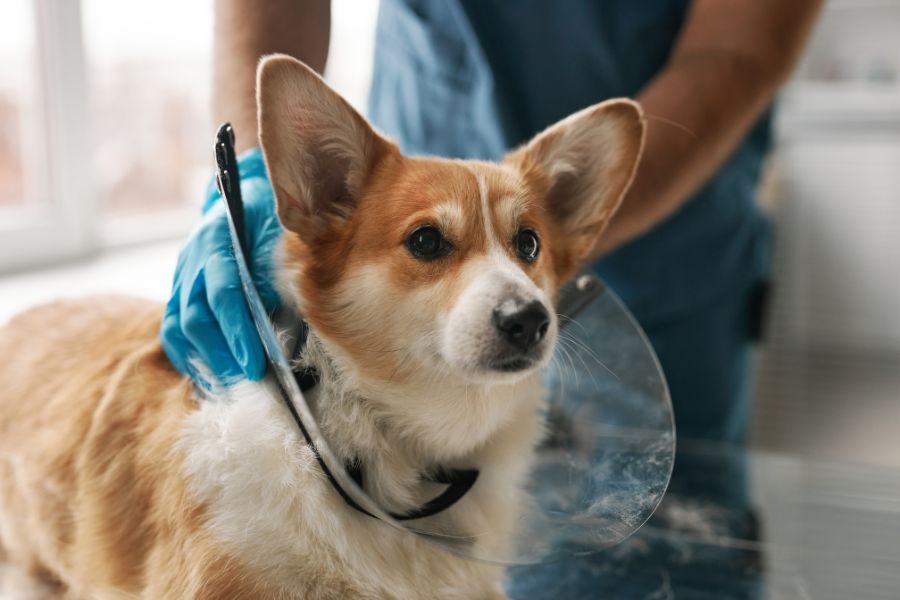
Preparing your cat for surgery involves more than arranging an appointment and following fasting instructions. The medications your cat takes regularly can influence anesthesia, bleeding, blood pressure, and recovery. Even products that seem unrelated to the planned procedure may affect how the body responds to surgical treatment. Sharing a complete medication history with your veterinarian helps the team identify potential risks and develop an appropriate care plan.
For cat owners in Levittown, understanding medication safety is an important part of preparing for cat surgery. Whether your cat takes daily medication for a chronic condition or receives occasional treatment for discomfort, every detail can matter. Levittown Animal Hospital can help pet owners understand pre-surgical instructions and the importance of reviewing medications before veterinary surgery.
Why Your Cat’s Medication History Matters Before Surgery
Anesthesia and surgery affect several body systems, including circulation, breathing, and the way the body processes medications. Some drugs can interact with anesthetic agents, while others may change blood pressure, blood sugar, or the body’s ability to form clots.
For example, a cat receiving medication for heart disease may need an individualized plan to manage its cardiovascular health during anesthesia. A cat treated for diabetes may require specific instructions about medication and food because fasting can influence blood sugar levels.
Medications can also affect the kidneys and liver, which help process or eliminate many drugs. If these organs are not functioning normally, certain medications may remain in the body longer than expected.
The veterinary team needs to know what your cat takes, why it takes the medication, and when the last dose was given. This information helps the veterinarian assess possible interactions and decide whether the existing treatment plan needs adjustment.
Which Medications Should You Tell Your Veterinarian About?
Provide a complete list of everything your cat receives, not just prescription medications. Products that seem harmless can still be relevant to surgical planning.
Prescription medications: Include drugs prescribed for heart conditions, diabetes, thyroid disorders, high blood pressure, seizures, infections, or chronic pain. Mention the dose, frequency, and reason for each medication.
Pain relief and anti-inflammatory drugs: Certain medications can affect kidney function, stomach health, or bleeding risk. Your veterinarian needs to know whether your cat has received any pain medication recently, even if it was prescribed for an earlier condition.
Supplements and herbal products: Supplements may influence blood clotting, interact with medications, or contain ingredients that affect normal body functions. Share the product names and labels when possible.
Over-the-counter products: Never assume a product is safe for cats simply because it is available without a prescription. Some human medications can be highly toxic to cats, and accidental exposure should be reported promptly.
Topical treatments and other products: Creams, ear drops, eye medications, and other treatments may also be relevant. Include products used regularly or recently, even if they are applied rather than swallowed.
If you cannot remember a medication’s name, bring the packaging or take a clear photograph of the label. Accurate information is more useful than relying on memory during the consultation.
Should You Stop Your Cat’s Medication Before Surgery?
Do not stop, skip, or change your cat’s prescribed medication unless your veterinarian instructs you to do so. Although some medications may need to be withheld or adjusted before a procedure, others may be important to continue.
Stopping certain treatments suddenly can cause health problems. For example, changing a seizure medication schedule may affect seizure control, while inappropriate changes to diabetes treatment can disrupt blood sugar regulation. On the other hand, administering some medications at the usual time may not be appropriate when a cat must fast or receive anesthesia.
The correct approach depends on the medication, the cat’s medical condition, and the planned procedure. Your veterinarian may advise giving a dose as usual, delaying it, changing the amount, or temporarily withholding it.
Before surgery, ask for clear instructions for each medication. Confirm the timing of the last dose, whether it can be given with a small amount of food, and when regular treatment should resume after the procedure.
If your cat has already received a medication that you were told to withhold, contact the clinic and explain what was given and when. This information helps the veterinary team determine the appropriate next step.
How Medications Can Interact With Anesthesia
Anesthesia plans are individualized because different medications can influence the body’s response to anesthetic drugs. Some combinations may increase sedation, alter blood pressure, or affect breathing and circulation.
For cats with heart conditions, the veterinary team may need to consider how existing medications affect heart rate and blood pressure. Cats with kidney or liver disease may need additional attention because these organs influence the handling of many medications.
Drugs that affect clotting may also be important before procedures involving an incision. The veterinarian may evaluate whether further testing or a medication adjustment is appropriate.
These interactions do not mean that cats taking regular medication cannot undergo surgery. In many cases, treatment can proceed with suitable planning and monitoring. The important point is to give the veterinary team enough information to assess potential interactions before anesthesia begins.
Why Pre-Surgical Testing May Be Recommended
A physical examination and review of the medication list help the veterinarian determine whether additional tests are needed. Depending on your cat’s age, medical history, current treatment, and planned procedure, the team may recommend bloodwork, urine testing, blood pressure measurement, or other diagnostic assessments.
Bloodwork can help evaluate red blood cell levels, blood sugar, and indicators of kidney or liver function. These results may be particularly useful for cats receiving long-term medication or living with a chronic condition.
Testing may also help identify a change in health that has occurred since the medication was first prescribed. If the results raise concerns, the veterinarian may recommend further investigation, a treatment adjustment, or a change to the surgical plan.
Not every cat needs the same tests. The veterinarian will consider the available information and recommend evaluations that are relevant to the individual patient.
What to Expect on the Day of Surgery
Follow the clinic’s instructions about feeding, water, medication, and arrival time. Fasting requirements vary, and water instructions may differ from food restrictions. Do not assume that your cat should skip every medication simply because food is being withheld.
Bring your medication list and any requested records. Tell the veterinary team when your cat last ate, drank, and received each medication. Report any recent vomiting, appetite changes, unusual tiredness, or other new symptoms before the procedure begins.
The team will review your cat’s condition and confirm the surgical plan. During the procedure, monitoring may include breathing, heart rate, blood pressure, oxygen levels, and body temperature, depending on the patient’s needs and the procedure.
After surgery, ask when each medication should resume and whether any new prescriptions have been added. Make sure you understand the dosage, schedule, method of administration, and possible side effects before taking your cat home.
Medication Safety During Post-Surgical Recovery
Medication management remains important after surgery. Your cat may receive pain relief or other treatment to support healing, and the instructions may differ from its usual routine.
Give medications exactly as prescribed. Do not increase a dose because your cat appears uncomfortable, repeat a dose if you are unsure whether it was swallowed, or combine products without veterinary approval. If a dose is missed or your cat spits out medication, ask the clinic what to do.
Monitor your cat for changes in appetite, activity, breathing, vomiting, or behavior. Some mild changes may occur after anesthesia, but persistent or worsening symptoms should be discussed with the veterinary team. Seek prompt veterinary assessment for severe weakness, breathing difficulty, collapse, or other serious changes.
Keep medications securely stored and separate from products intended for people or other pets. Clear labeling and a written schedule can help everyone in the household follow the same instructions.
Prepare for Your Cat’s Surgery With Levittown Animal Hospital
Reviewing medications before surgery is a simple but important step toward individualized veterinary care. A complete medication history helps your veterinarian assess possible interactions, determine whether adjustments are needed, and plan appropriate monitoring before and after the procedure.
If your cat is scheduled for surgery, contact Levittown Animal Hospital in Levittown to discuss pre-surgical preparation and medication instructions. Book a consultation with our veterinary team online. Ask about arranging a consultation, reviewing your cat’s current treatments, and completing any recommended testing. Understanding the available pet surgical services and preparing in advance can help you approach your cat’s procedure with greater confidence.
Frequently Asked Questions
Q1. Should I give my cat its usual medication on the morning of surgery?
Ans: It depends on the medication and your cat’s health. Some medicines may need to be given as usual, while others require adjustments. Follow the specific instructions provided by your veterinarian.
Q2. What if I forget to tell the veterinarian about one of my cat’s medications?
Ans: Contact the clinic as soon as you remember and provide the medication name, dose, and last administration time if known. This information may affect the anesthesia plan or other pre-surgical decisions.
Q3. Can supplements affect my cat’s surgical procedure?
Ans: Yes. Some supplements can interact with medications or influence bleeding and other body functions. Tell your veterinarian about all supplements and herbal products your cat receives.
Q4. Why might my cat need bloodwork before surgery if it already takes medication?
Ans: Bloodwork can help assess organ function, blood cell levels, and other health indicators that may influence anesthesia and medication choices. The need for testing depends on your cat’s medical history and planned procedure.
Q5. When should my cat resume its regular medication after surgery?
Ans: The timing depends on the medication, procedure, recovery, and ability to eat or swallow safely. Confirm the schedule with your veterinary team before leaving the clinic.