We’re excited to meet you! New clients receive their first pet exam for just $37



Neutering Recovery Guide for Male Dogs: Timeline, Aftercare, and Warning Signs

Neutering is a common procedure for male dogs, offering several health benefits such as reducing the risk of certain cancers and preventing unwanted litters. While neutering is a routine surgery, it’s still important to understand the recovery process to ensure your dog heals properly. In this guide, we’ll take you through the neutering recovery timeline, aftercare tips, and the warning signs you should watch for during your dog’s healing process.
If you’re in New York and your male dog is about to undergo neutering, this post will help you prepare and ensure a smooth recovery.
What is Neutering and Why is it Important?
Neutering, also known as castration, is a surgical procedure that removes a male dog’s testicles, rendering him sterile. It’s typically performed when the dog is between six months to one year old, though it can be done later in life. The procedure is relatively simple and safe, but like any surgery, it requires proper aftercare to avoid complications.
Beyond the obvious benefit of preventing unwanted litters, neutering has other health advantages. It can help prevent testicular cancer, reduce the likelihood of prostate problems, and even improve behavior by reducing aggression and marking behaviors in some dogs.
Neutering Recovery Timeline
Understanding the recovery timeline will help you manage your dog’s healing process and ensure he’s as comfortable as possible.
Day 1 – The Surgery Day
The neutering procedure is typically done under general anesthesia, so your dog will need to fast for 12 hours before the surgery. After the surgery, your dog will be groggy and may still be feeling the effects of the anesthesia. Expect your dog to rest most of the day and night.
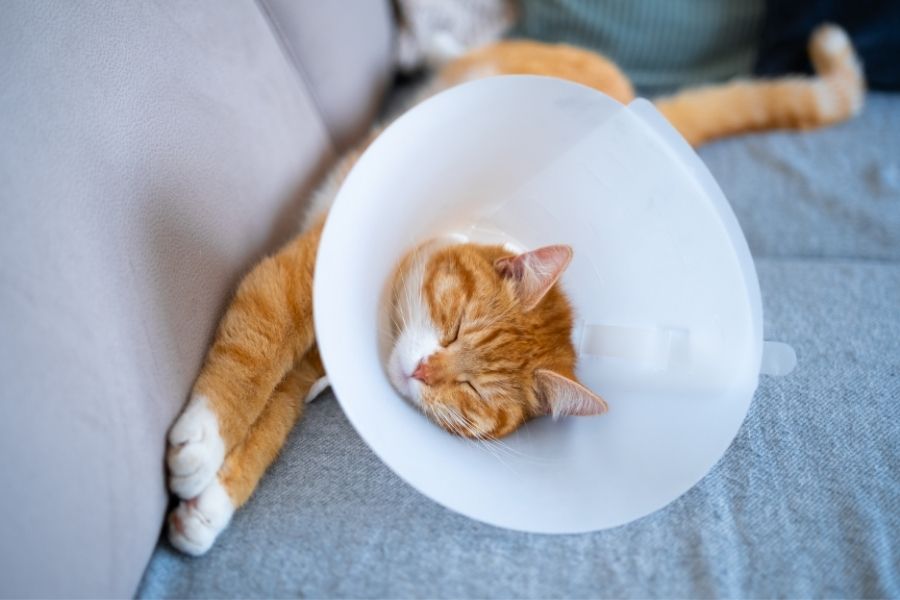
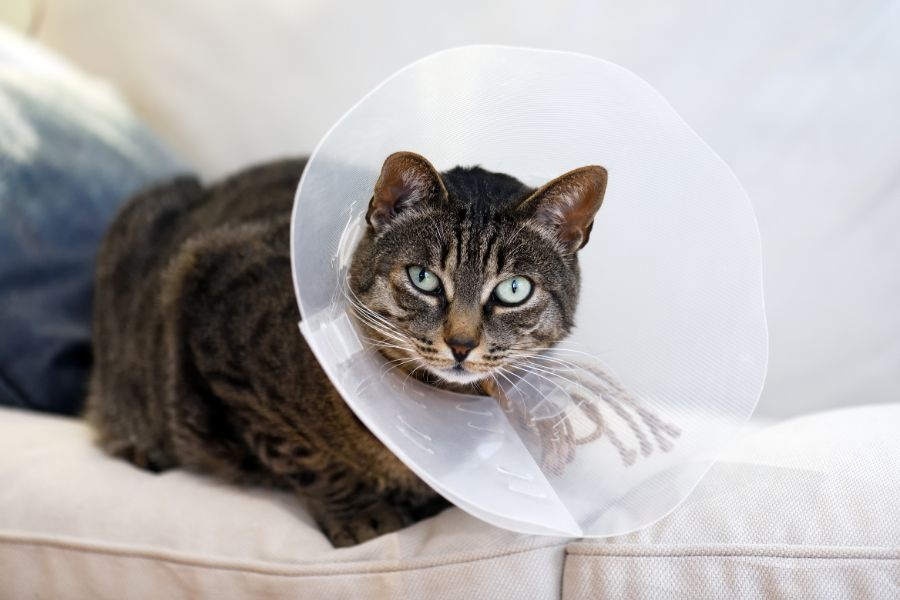
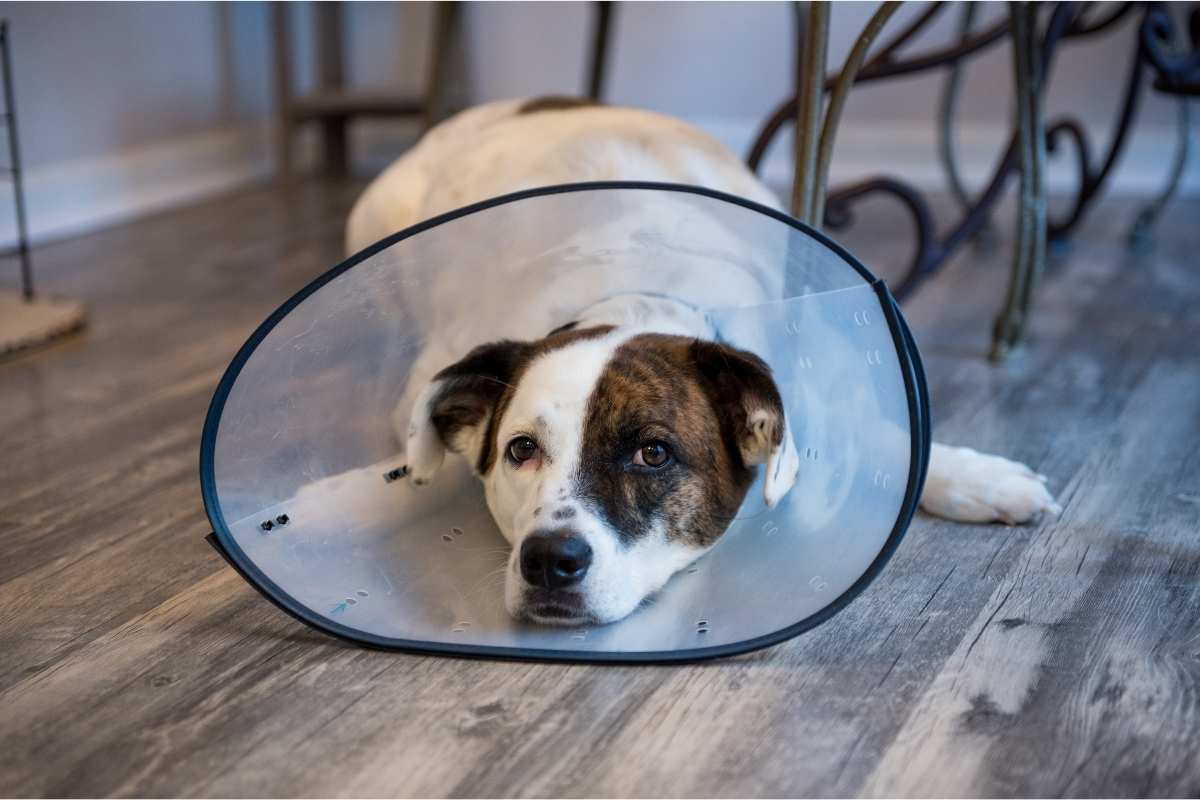
You may notice some swelling or redness around the incision site, which is normal immediately after surgery. However, it’s important to prevent your dog from licking or biting the area, as this can lead to infection. Your veterinarian may provide an Elizabethan collar (cone) to prevent this.
Day 2-3 – Post-Op Recovery
For the first few days after the surgery, your dog will likely experience some discomfort. You may notice mild swelling, bruising, or discharge from the incision site, but these should gradually subside. Your dog may also have a decreased appetite and be a bit more tired than usual. This is normal, as the body is healing from the surgery.
During these initial days, it’s essential to restrict your dog’s activity. Avoid letting your dog run, jump, or play with other animals, as this could disrupt the healing process. Short leash walks for bathroom breaks are recommended, but no vigorous activity should take place.
Day 4-7 – Monitoring and Continued Rest
By the fourth day, your dog should begin feeling better. Swelling and discomfort will likely start to reduce, and your dog will regain his appetite. Keep monitoring the incision site for any signs of infection, such as excessive swelling, redness, or foul-smelling discharge.
During this time, you can slowly begin to reintroduce your dog to light activity, such as short walks. However, continue to keep him on a leash and restrict excessive movement to avoid stressing the incision site.
Week 2 – Follow-up Appointment and Stitch Removal
At this point, you should have a follow-up appointment with your veterinarian to ensure your dog is healing properly. If your dog had sutures that need to be removed, this will typically be done during this visit. Your vet will also check for any signs of complications and advise you on whether it’s safe to resume regular activities.
Most dogs will fully recover within two weeks, but every dog is different, and some may take a bit longer. If everything looks good at this point, your veterinarian will give you the go-ahead to let your dog resume normal activities.
Aftercare Tips for Neutering Recovery
Proper aftercare is crucial for a smooth recovery and ensuring your dog’s well-being after neutering. Here are some essential tips to follow during the recovery period:
1. Monitor the Incision Site
Keep an eye on the incision site for any signs of infection, such as swelling, redness, or discharge. It should look clean and dry, with minimal swelling after the first 48 hours. If you notice anything unusual, contact your veterinarian.
2. Prevent Licking or Biting
Dogs may be tempted to lick or bite at the incision site, which can introduce bacteria and cause infections. Use an Elizabethan collar or an inflatable collar to prevent your dog from accessing the area.
3. Control Activity Levels
Restrict your dog’s activity for at least 10-14 days after surgery. Avoid running, jumping, or rough play. Gradually reintroduce physical activity once your veterinarian clears your dog for more movement.
4. Provide a Comfortable Resting Area
Ensure your dog has a quiet, comfortable place to rest. He may feel a little groggy or sore after the surgery, so make sure he has a soft bed and is not disturbed by other pets or loud noises.
5. Follow Post-Op Instructions
Your veterinarian will provide specific aftercare instructions, such as administering pain medications or antibiotics. Follow these instructions carefully to ensure your dog heals properly.
Warning Signs to Watch For
While the neutering procedure is generally safe, it’s important to be aware of any signs that could indicate a complication. If you notice any of the following, contact your veterinarian immediately:
- Excessive swelling, redness, or discharge from the incision site
- Vomiting or diarrhea that doesn’t resolve after a day
- Loss of appetite for more than 24 hours
- Signs of pain, such as whimpering, excessive licking at the incision site, or limping
- Difficulty urinating or signs of urinary incontinence
Neutering is a safe and beneficial procedure for male dogs, but proper recovery and aftercare are essential to ensure your dog heals well. By following the recovery timeline, managing aftercare, and keeping an eye out for warning signs, you can help your dog heal comfortably and get back to his regular activities. If you’re in Levittown, NY, and have concerns or need assistance with your dog’s recovery, don’t hesitate to schedule an appointment with Levittown Animal Hospital. Our team is here to help your dog recover fully and lead a healthy, happy life.
FAQs
Q1. How long will it take for my dog to recover from neutering fully?
Ans. Most dogs recover within 10-14 days, but the exact recovery time can vary. Follow your vet’s instructions for post-op care to ensure a smooth healing process.
Q2. Can I bathe my dog after neutering?
Ans. It’s best to avoid bathing your dog for at least 10-14 days after surgery to prevent infection. If your dog gets dirty, wipe him down with a damp cloth instead.
Q3. Can my dog go outside during recovery?
Ans. Yes, but only for short bathroom breaks. Avoid letting your dog run or jump during the first two weeks after surgery to prevent stress on the incision site.
Q4. Should I worry if my dog isn’t eating after surgery?
Ans. It’s normal for your dog to have a reduced appetite for a day or two after surgery. If your dog hasn’t eaten for more than 48 hours or shows signs of illness, contact your veterinarian.
Q5. What should I do if my dog tries to lick the incision site?
Ans. Use an Elizabethan collar (cone) to prevent your dog from licking or biting the incision area. This will help avoid infection and ensure proper healing.
Q6. How do I know if the incision site is infected?
Ans. Look for signs such as excessive redness, swelling, or discharge. If the area appears warm to the touch or if your dog shows signs of increased pain, consult your veterinarian.