We’re excited to meet you! New clients receive their first pet exam for just $37



How Do You Take Care Of A Female Cat After Being Spayed?


Spaying is a common procedure for female cats that helps manage their reproductive health and contributes to their overall well-being. However, after the surgery, your cat will need some special care to ensure a smooth recovery and a healthy return to her regular routine. Proper post-operative care is essential to avoid complications and help your feline friend heal comfortably. In this blog, we’ll guide you through the important steps to take care of your female cat after being spayed, so she can recover quickly and safely.
1. Create a Comfortable Recovery Space
After the surgery, your cat will need a quiet, comfortable place to recover. Ensure that her recovery area is away from household noise and distractions, as this will allow her to rest properly. You can set up a cozy bed or blanket in a crate or a small room. Make sure the area is clean and free from any hazards, such as sharp objects or small items that could be ingested.
Additionally, provide her with a litter box that is easily accessible, as she may be a little sluggish right after the procedure. It’s also important to keep the area clean and dry to reduce the risk of infection.
2. Monitor Her Incision Site
One of the most important aspects of post-surgical care is keeping a close eye on your cat’s incision site. The incision made during the spaying procedure is typically located on her abdomen, just below the belly button. Over the next few days, inspect the site for signs of infection, such as swelling, redness, or discharge.
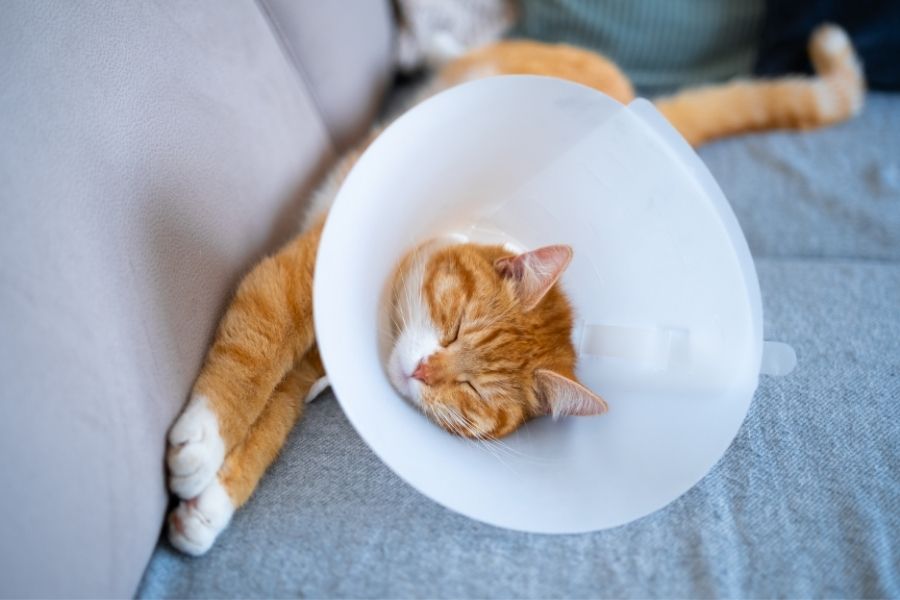
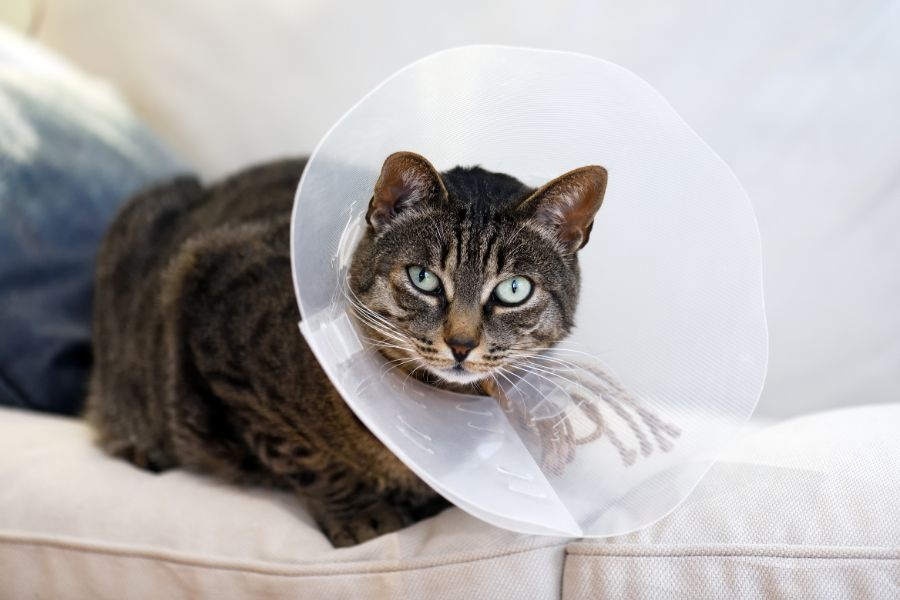
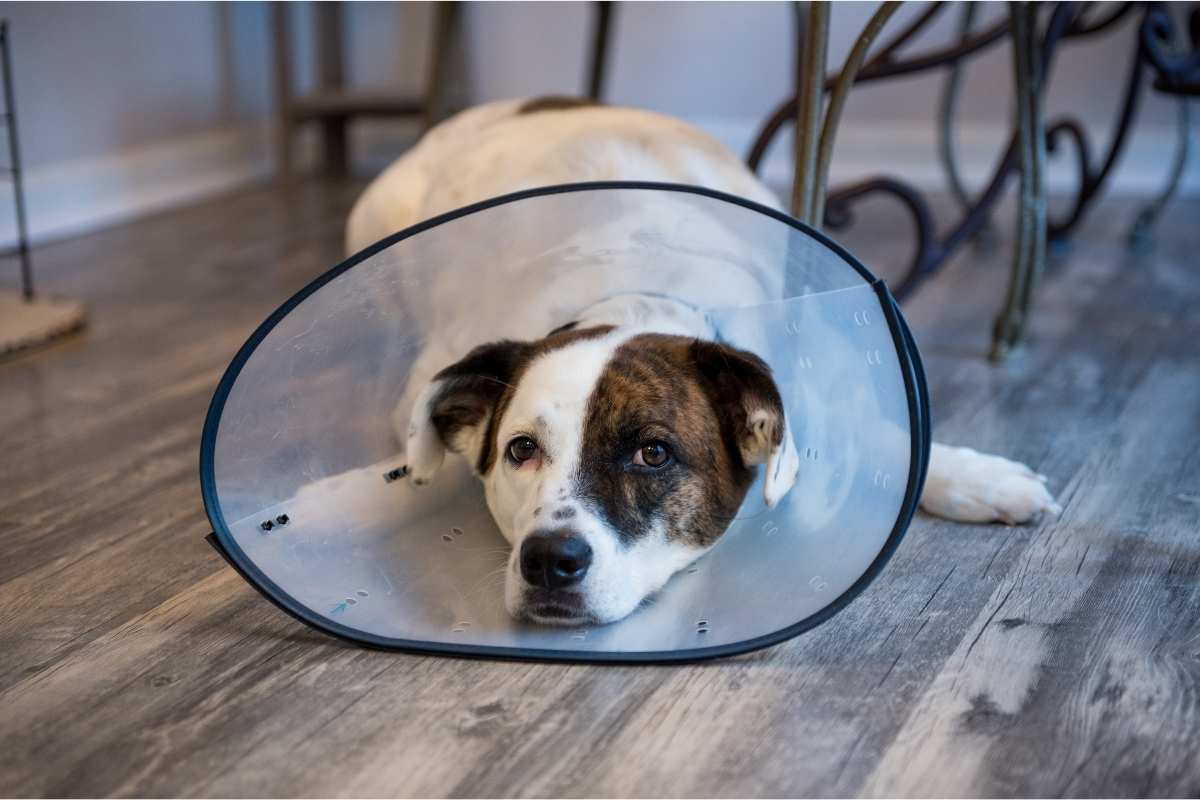
To help prevent infection, avoid allowing your cat to lick or bite the incision area. You may need to use an Elizabethan collar (cone) to prevent her from reaching the area. If you notice any concerning signs, contact your veterinarian immediately for further advice.
3. Limit Physical Activity
While your cat will likely feel sleepy and sedated during the first 24-48 hours after surgery, it’s still important to restrict her physical activity during the first week of recovery. Avoid allowing her to jump, run, or engage in any strenuous activity that could strain the surgical site or disrupt the healing process.
If your cat is particularly active, consider confining her to a small room or crate to limit movement. This will ensure that she doesn’t cause injury to herself while healing. Encourage her to rest, but also keep her engaged with gentle petting or light interaction to keep her calm.
4. Manage Her Pain
Your veterinarian will likely prescribe pain medication for your cat to ensure her comfort after surgery. It’s important to administer the medication as directed, even if your cat seems to be feeling fine. Pain relief will help her rest more comfortably and prevent any unnecessary stress or discomfort.
If you’re unsure about how to give the medication, consult your veterinarian for advice on the best method. Avoid giving your cat any over-the-counter pain relievers intended for humans, as these can be harmful to cats.
5. Keep an Eye on Her Eating and Drinking
Appetite loss is common in the first 24 hours after surgery. However, it’s important to monitor your cat’s eating and drinking habits closely. Ensure that she has access to fresh water and offer her small portions of food as she begins to regain her appetite.
If your cat refuses to eat for more than 48 hours after surgery, or if you notice any signs of vomiting or diarrhea, contact your veterinarian. It’s essential to address any potential issues quickly to ensure a smooth recovery.
6. Follow Up with Your Veterinarian
Your veterinarian will likely recommend a follow-up appointment to check on your cat’s recovery. During this visit, they will inspect the incision site, ensure that there are no complications, and remove any stitches if necessary. It’s important to keep this appointment, even if your cat seems to be doing well, as it helps ensure her recovery is on track.
7. Be Patient and Offer Extra Attention
After spaying, your cat may be a bit more tired or irritable than usual. Be patient and understanding, as the surgery and recovery process can be stressful for her. Offer extra attention, but respect her need for rest.
You can also engage her with gentle playtime, such as using a toy that encourages her to move without putting too much strain on her body. Over time, she will regain her energy and return to her normal self.
Caring for your female cat after surgery is crucial to ensure a smooth recovery. By providing a calm, comfortable environment, monitoring her incision site, and managing her pain effectively, you can help her heal properly. Make sure she gets the right amount of rest and avoid excessive physical activity to prevent complications. If you notice any signs of infection or discomfort, don’t hesitate to contact our veterinarian. With proper care, your cat will soon be back to her playful and healthy self.
For more advice or assistance on post-surgery care, contact our trusted veterinary team in Levittown, NY, who can provide expert guidance throughout the recovery process.
FAQs
Q1. How long will my cat be in pain after spaying?
Ans. After spaying, most cats experience mild discomfort for 24-48 hours. With proper medication and care, they should feel much better within a few days.
Q2. Can my cat jump after being spayed?
Ans. It’s best to limit your cat’s jumping for at least a week after surgery. Too much activity can strain the incision and delay healing.
Q3. What should I do if my cat won’t eat after being spayed?
Ans. If your cat refuses to eat for more than 48 hours after surgery, contact your vet. Lack of appetite could indicate a problem that needs attention.
Q4. How can I prevent my cat from licking her incision?
Ans. Using an Elizabethan collar or cone can prevent your cat from licking the surgical site, helping to reduce the risk of infection.
Q5. When can I bathe my cat after spaying?
Ans. It’s important to keep your cat’s incision dry for at least 10-14 days after surgery. Avoid bathing her during this time to ensure proper healing.
Q6. How do I know if my cat’s incision is infected?
Ans. Signs of infection include redness, swelling, or discharge from the incision. If you notice any of these symptoms, contact your vet right away.