We’re excited to meet you! New clients receive their first pet exam for just $37


Solo Kitten vs. Adopting a Pair: Enriching Your Indoor Long Island Kitten

Bringing a kitten home is an exciting experience for any family. Those playful jumps, curious explorations, and cozy naps can quickly become part of everyday life. However, before welcoming a new feline friend, many families face an important decision: Should they adopt one kitten or bring home two? Both choices can lead to happy, healthy companions, but each comes with different responsibilities and enrichment needs.
For families in Levittown, creating a stimulating indoor environment is an important part of responsible kitten care. Whether you adopt a solo kitten or a bonded pair, your cats need opportunities to play, explore, learn, and feel secure. Understanding their social needs and planning ahead can help you build a comfortable home where your new companions thrive.
Should You Adopt One Kitten or Two?
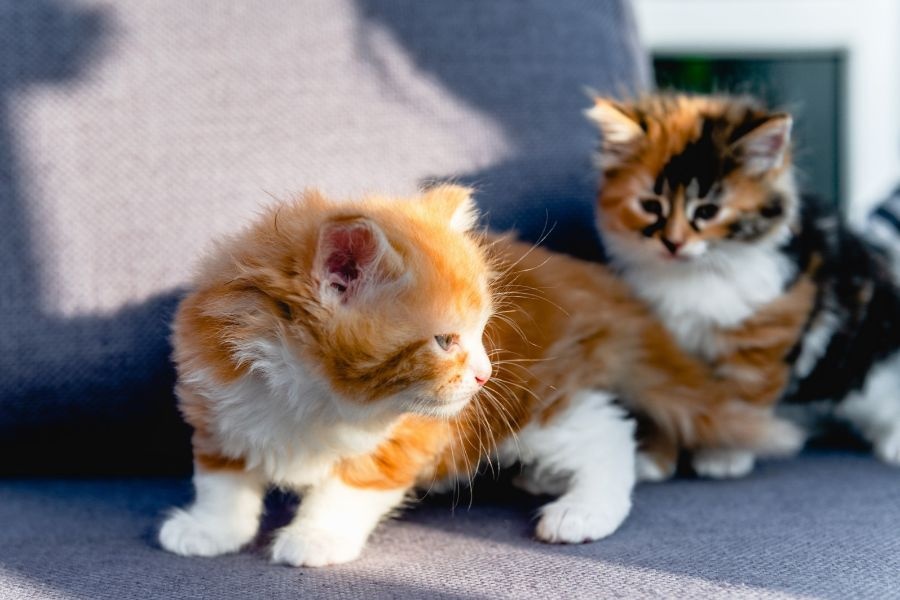
Kittens are naturally curious and energetic. They learn about their surroundings through play, observation, and interaction. When two kittens grow up together, they often have a built-in playmate who can share their daily activities.
A pair of kittens may chase each other, wrestle, practice hunting behaviors, and take turns exploring toys. These interactions can help them develop social skills and learn appropriate play boundaries. For example, a kitten may discover that biting too hard causes its companion to stop playing. This kind of feedback can support better play habits as they mature.
Adopting two kittens can be especially helpful when they are already bonded or have spent time together in the same environment. Their familiar companionship may make the transition into a new home more comfortable.
However, adopting two kittens is not automatically the right choice for every household. Families should consider available space, time, financial responsibilities, and the ability to provide separate resources. Two kittens require additional food, litter supplies, routine veterinary visits, and attention.
A single kitten can also enjoy a fulfilling indoor life when the family provides consistent interaction and meaningful enrichment.
The Social Benefits of Raising Two Kittens Together
Growing up with another kitten can provide opportunities for companionship throughout the day. When family members are working, studying, or away from home, two compatible kittens may play, explore, and rest together.
Their shared activities can also encourage physical exercise. Chasing, climbing, and gentle wrestling help kittens use their energy in natural ways. This interaction may reduce boredom, although it does not replace the need for human attention and supervision.
Two kittens can also learn through observation. One may become more comfortable exploring a new toy after watching the other interact with it. Similarly, a confident kitten may help a more cautious companion adjust to unfamiliar sounds or household routines.
Still, personalities matter. Not every kitten wants a feline companion, and introductions between unfamiliar cats should be gradual. Provide separate feeding stations, litter boxes, resting areas, and hiding places so each kitten has room to feel comfortable.
How to Keep a Solo Indoor Kitten Engaged
If adopting one kitten works better for your family, thoughtful enrichment can provide many opportunities for exercise and mental stimulation. Indoor tips are especially useful for preventing boredom and encouraging healthy daily habits.
Rotate Puzzle Feeders and Interactive Toys
Puzzle feeders encourage kittens to think, explore, and work for small portions of their food. These activities introduce mental challenges while making mealtime more interesting.
Start with simple puzzles that are easy to understand. As your kitten becomes more confident, you can introduce different designs and slightly more challenging activities. Rotate toys every few days instead of leaving everything available at once. This keeps familiar objects interesting and gives your kitten something new to explore.
Always supervise your kitten with toys that contain small pieces, strings, or detachable parts.
Schedule Short Bursts of Wand Play
Interactive wand toys can help indoor kittens practice natural stalking, chasing, and pouncing behaviors. Instead of expecting one long play session, offer several short bursts throughout the day.
Move the toy like prey by allowing it to hide behind furniture, pause, and move across the floor. Give your kitten opportunities to catch it occasionally so the activity feels rewarding.
Put wand toys away after playtime, especially if they have strings or attachments that could become tangled or swallowed. Never leave these toys unattended with a kitten.
Create Vertical Territory
Cats naturally enjoy climbing and observing their surroundings from elevated positions. Cat trees, stable shelves, and window perches can add valuable vertical space to an indoor environment.
Choose sturdy climbing structures that are appropriate for your kitten’s size and abilities. Secure shelves properly and keep climbing areas away from unsafe windows or unstable furniture.
Vertical territory gives a solo kitten more ways to explore and rest. In a home with two kittens, multiple elevated spaces can also help prevent competition over favorite resting spots.
Provide Comfortable Hiding and Resting Places
Enrichment is not only about activity. Kittens also need quiet spaces where they can retreat when they feel tired or overwhelmed.
Soft beds, covered cat caves, cardboard boxes, and quiet resting corners can help create a sense of security. Make sure each kitten has access to a comfortable place without being disturbed by household activity.
Building a Healthy Indoor Routine
A predictable daily routine can help kittens feel secure as they adjust to their new surroundings. Set consistent times for meals, play, litter box cleaning, and rest.
Keep food and water stations in convenient locations, away from litter boxes. If you have two kittens, provide enough separate resources to reduce competition. A commonly recommended litter box guideline is one box per cat, plus one extra, although individual household needs may vary.
Spend time observing your kitten’s behavior. Changes in appetite, litter box habits, energy, or social interaction may indicate that something needs attention.
Indoor living reduces exposure to many outdoor hazards, but it does not eliminate every health concern. Fleas and other parasites can sometimes enter homes through people, other animals, or shared environments. Indoor kittens may also have health risks that are not immediately visible.
Why Indoor Kittens Still Need Routine Parasite Screening
One common misconception is that indoor cats do not need parasite checks. While keeping a kitten indoors can lower exposure to certain parasites, it does not guarantee complete protection.
Fleas can enter through clothing, shoes, visiting pets, or other household animals. Depending on the kitten’s history and environment, veterinarians may also recommend screening for intestinal parasites. Some infections can be present without obvious symptoms.
Routine parasite screening allows your veterinarian to assess your kitten’s individual risk and recommend appropriate preventive care. Your veterinarian may ask about the kitten’s previous living conditions, adoption history, stool quality, and contact with other animals.
Avoid choosing parasite products without professional guidance. Kittens have specific age and weight requirements, and some products intended for other animals may be unsafe for them.
Making the First Vet Visit a Positive Experience
Your kitten’s first vet visit is an important step toward establishing a healthy routine. Ideally, schedule an appointment soon after adoption, even if your kitten appears active and healthy.
During the appointment, the veterinary team can review medical history, examine your kitten’s overall health, discuss nutrition, and assess growth and development. This is also an opportunity to discuss parasite screening, appropriate preventive care, dental health, and behavior.
Bring any adoption or medical records provided by the shelter, rescue group, or previous caregiver. A fresh stool sample may also be useful if your veterinarian requests one.
If you are adopting two kittens, arrange for both to receive individual health assessments. Even littermates can have different health needs.
A calm carrier, familiar blanket, and gentle handling can make the experience less stressful. Ask the veterinary team for advice if your kitten becomes particularly anxious during travel.
Helping Your Kitten Thrive in a Long Island Home
Whether you choose one kitten or two, a happy indoor life depends on more than toys and food. Social interaction, mental stimulation, safe exploration, preventive veterinary care, and a consistent routine all contribute to your kitten’s well-being.
For Levittown families, the right adoption choice is the one that fits the household while meeting each kitten’s individual needs. A pair may enjoy companionship and shared play, while a solo kitten can thrive with regular attention and a thoughtfully enriched environment.
Schedule Your Kitten’s First Visit at Levittown Animal Hospital
Starting with professional guidance can help you make informed decisions about your kitten’s health and daily routine. Levittown Animal Hospital can help you discuss kitten care, nutrition, development, and routine parasite screening.
Schedule an appointment with Levittown Animal Hospital to give your new companion a healthy start. Whether you are welcoming one kitten or a pair, early veterinary guidance can help you feel more confident about caring for your growing feline family.
Frequently Asked Questions
Q1. Is it better to adopt two kittens instead of one?
Ans: Adopting two compatible kittens can provide companionship, shared play, and opportunities to learn social boundaries. However, a single kitten can also thrive with consistent attention, interactive play, and environmental enrichment.
Q2. Can a solo indoor kitten become lonely?
Ans: A solo kitten may become bored or seek more interaction if left without enough stimulation. Regular play sessions, puzzle feeders, climbing spaces, and daily attention can help meet its social and activity needs.
Q3. How often should I play with my indoor kitten?
Ans: Offer several short interactive play sessions throughout the day. Follow your kitten’s energy level and interest, and provide a variety of toys and activities to encourage both physical exercise and mental stimulation.
Q4. Do indoor kittens really need parasite screening?
Ans: Yes. Indoor living reduces some exposure risks, but fleas and certain parasites can still enter the home or be present from before adoption. Your veterinarian can recommend screening based on your kitten’s history and environment.
Q5. When should I schedule my kitten’s first vet visit after adoption?
Ans: Arrange a veterinary appointment soon after bringing your kitten home. The veterinarian can review medical history, assess growth and overall health, discuss nutrition, and recommend appropriate parasite screening and preventive care.