We’re excited to meet you! New clients receive their first pet exam for just $37



Homemade vs. Commercial Dog Food: Which Is Healthier?

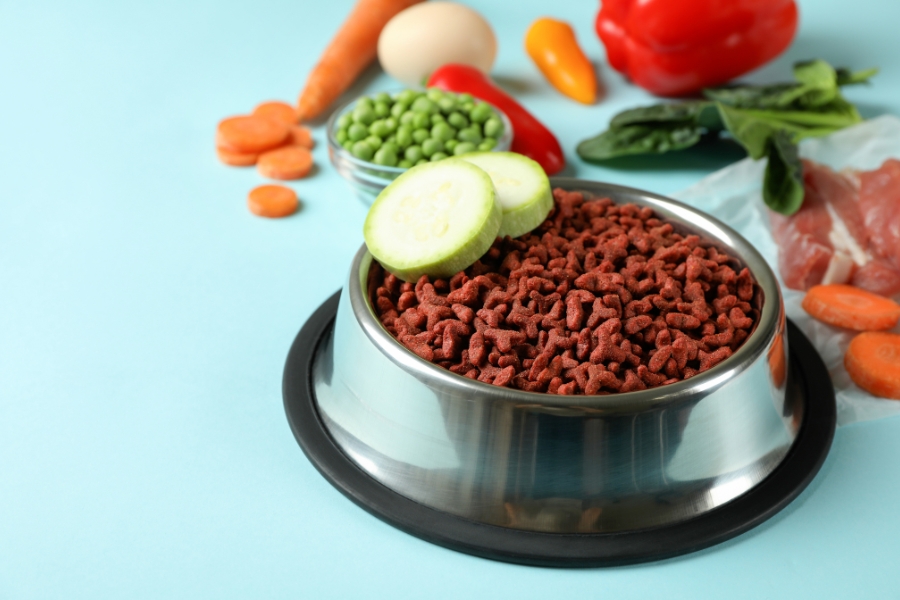
Feeding your dog isn’t just about filling their bowl—it’s about shaping their long-term health, happiness, and vitality. With so many choices available today, pet parents often wonder whether homemade or commercial dog food offers the better path to optimal nutrition. Both come with unique benefits and challenges, and the “healthier” option often depends on your dog’s individual needs, your lifestyle, and your understanding of canine nutrition.
Let’s explore the key differences between these two feeding approaches and uncover which one might truly nourish your furry companion best.
The Homemade Dog Food Trend: What’s Cooking?
Homemade dog food has gained immense popularity among pet owners who prefer transparency and control. Preparing meals at home means you know exactly what goes into your dog’s bowl—no hidden preservatives, no mysterious fillers, and no artificial colors.
Pet parents often find joy in cooking for their dogs, believing it strengthens the bond between them. With fresh meats, vegetables, and grains, homemade diets can certainly look wholesome. However, looks can be deceiving—a home-cooked meal may not automatically meet your dog’s full nutritional needs.
Nutritional Balance: The Real Challenge
While homemade diets can seem ideal, ensuring the right nutrient balance is tricky. Dogs require specific proportions of protein, fat, carbohydrates, vitamins, and minerals to stay healthy. A lack of any essential nutrient can lead to serious health issues such as bone deformities, weak immunity, or heart disease.
For instance, homemade diets often miss critical nutrients like calcium, zinc, or vitamin E—unless supplements are added under veterinary supervision. Without expert guidance, even the most loving meal plan can turn nutritionally incomplete.
In contrast, commercial dog foods are scientifically formulated to meet the nutritional standards set by the Association of American Feed Control Officials (AAFCO). This means that, on paper, they’re designed to provide a complete and balanced meal with every serving.
Inside Commercial Dog Food: Convenience Meets Science
Commercial dog foods have come a long way from the bland kibble of decades past. Today’s market offers a wide variety—grain-free, high-protein, limited-ingredient, and breed-specific formulas, to name a few. These foods are formulated by animal nutritionists and veterinarians to meet a dog’s life stage, size, and activity level.
Benefits of Commercial Dog Food
- Balanced Nutrition: Every serving meets essential dietary requirements.
- Convenience: No prep time, perfect for busy pet parents.
- Consistency: Each meal provides the same nutrient ratio, reducing dietary imbalances.
- Variety: Available in dry, wet, freeze-dried, or raw-inspired forms.
However, not all commercial foods are created equal. Low-quality brands may rely heavily on fillers like corn or soy, artificial preservatives, or meat by-products. That’s why reading labels is crucial. Look for high-quality proteins as the first ingredient and avoid foods loaded with artificial additives.
The Middle Ground: Best of Both Worlds
If you can’t decide between homemade and commercial food, consider combining both. For instance, feed your dog a high-quality commercial base diet and enhance it with fresh, healthy add-ins like boiled chicken, sweet potatoes, or steamed carrots.
This hybrid approach lets you enjoy the benefits of both—nutritional balance and freshness. Just remember, any significant diet change should be made gradually and with guidance from your veterinarian.
What Experts Say About Homemade Diets
Veterinarians and pet nutritionists often caution against homemade diets unless they are formulated under professional supervision. Dogs have different dietary requirements from humans, and what’s healthy for you may not be safe for them.
For example, foods like onions, garlic, grapes, and chocolate are toxic to dogs. Additionally, feeding an unbalanced homemade diet can lead to nutrient deficiencies that may take months or even years to show symptoms.
Some vets recommend using veterinary-approved recipes or consulting a board-certified veterinary nutritionist before preparing homemade meals. This ensures that every meal you serve supports your dog’s long-term health rather than harming it unknowingly.
Beyond Food: Total Pet Wellness Matters Too
Diet plays a significant role in your dog’s overall health—but it’s not the only factor. Regular exercise, mental stimulation, grooming, and dental care all contribute to a longer, happier life.
If you live in New York and want to ensure your pet receives dependable, well-rounded care, you can explore a Levittown veterinarian for comprehensive support. From routine checkups to preventive services, choosing a trusted veterinary professional is just as important as providing a balanced diet for your pet’s overall well-being.
Signs Your Dog’s Diet Needs Adjustment
No matter which diet you choose, your dog’s body will tell you if it’s working. Watch for signs such as:
- Dull or flaky coat
- Weight loss or obesity
- Digestive problems (gas, diarrhea, constipation)
- Lethargy or lack of energy
- Excessive shedding or itching
If any of these symptoms appear, consult your vet immediately. A diet adjustment or medical evaluation might be necessary.
Tips for Choosing the Healthiest Option
- Consult Your Vet: Before switching diets, get your dog’s health assessed.
- Read Labels Carefully: Choose commercial foods with named meat sources (like “chicken” or “beef”) rather than vague terms like “meat meal.”
- Avoid Harmful Ingredients: Skip foods with artificial colors, preservatives, and sweeteners.
- Prioritize Freshness: Whether homemade or commercial, fresh ingredients are key to quality nutrition.
- Consider Your Schedule: Homemade diets require time and consistency. Choose what fits your lifestyle without compromising your pet’s health.
There isn’t a one-size-fits-all answer. Homemade dog food offers freshness and ingredient transparency but demands time, effort, and nutritional precision. Commercial dog food, on the other hand, provides balance, convenience, and consistency—especially when sourced from a reputable brand.
Ultimately, the healthiest diet is the one that keeps your dog active, energetic, and thriving. Always consult your veterinarian to determine what’s best for your pet’s unique needs.
Because in the end, it’s not about what’s “homemade” or “commercial”—it’s about what’s healthy, safe, and full of love.