We’re excited to meet you! New clients receive their first pet exam for just $37



How Veterinarians Help Pets Live Longer, Healthier Lives

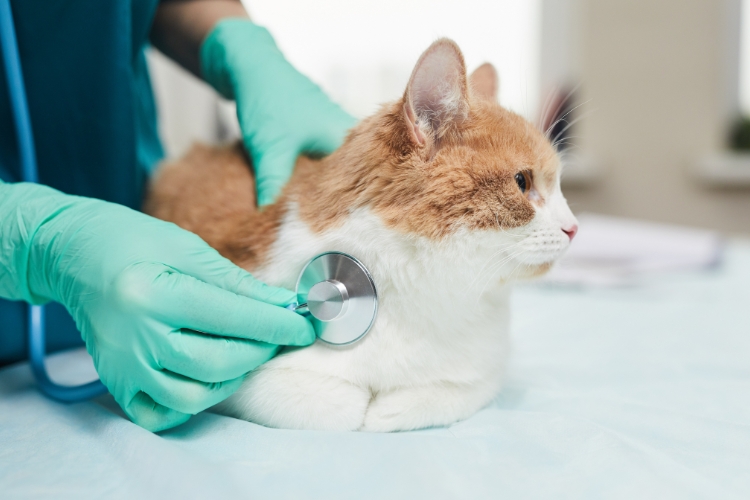
As a pet owner, one of your main concerns is likely to be ensuring your pet lives a long, healthy life. Just like us, pets require regular medical attention and care to maintain their well-being. This is where veterinarians come in. These trained professionals are essential to your pet’s health, offering services that not only treat illness but also help prevent it from occurring in the first place.
In Levittown, NY, many pet owners rely on veterinarians to keep their animals healthy and happy. From routine check-ups to emergency care, vets are on the front lines, working diligently to provide the best care possible for your furry friends. In this blog, we will explore the many ways vets help pets live longer, healthier lives, including preventive care, early disease detection, and specialized treatments.
Preventive Care: The Foundation of Long-Term Health
One of the most important ways veterinarians help pets is by providing preventive care. Just like humans, pets need regular check-ups to maintain their health and catch any potential issues before they become serious. Preventive care is essential for ensuring your pet stays healthy for years to come.
1. Regular Check-Ups and Health Assessments
Veterinarians perform routine health assessments that check your pet’s overall condition, including their weight, coat, teeth, eyes, and ears. They monitor your pet’s vital signs, check for any physical abnormalities, and conduct blood tests to assess internal health. These regular visits can help identify early signs of diseases, such as kidney problems or heart disease, that may not show obvious symptoms.
2. Vaccinations and Parasite Control
Veterinarians are also crucial for ensuring your pet receives the proper vaccinations. Vaccinations protect your pet from serious illnesses such as rabies, parvovirus, and distemper, which can be deadly without prevention. Regular deworming treatments and flea and tick prevention are also vital to keep your pet free from parasites that can cause discomfort and illness.
By keeping your pet up-to-date on vaccinations and parasite prevention, vets reduce the risk of your pet contracting diseases that could impact their quality of life.
3. Nutritional Guidance and Weight Management
Veterinarians are experts when it comes to proper pet nutrition. Maintaining a healthy diet is essential to your pet’s long-term health. Veterinarians help you choose the right type of food based on your pet’s age, breed, and activity level. They also offer guidance on portion control to prevent obesity, which can lead to a variety of health problems, including diabetes, arthritis, and heart disease.
In addition, vets can recommend specific supplements to support your pet’s joints, immune system, or digestive health, ensuring that they get the nutrients they need to thrive.
Early Disease Detection: Catching Problems Before They Escalate
One of the most critical roles vet play in pet health is detecting diseases early. Many health conditions, such as cancer, kidney disease, and heart conditions, can develop slowly and without obvious signs. Regular veterinary visits help ensure that any potential issues are identified early, allowing for faster treatment and better outcomes.
1. Screening for Chronic Conditions
Chronic conditions like arthritis, heart disease, and diabetes are common in older pets. Vets use diagnostic tools such as blood tests, X-rays, and ultrasounds to detect these conditions early. Early diagnosis allows for timely intervention, which can significantly improve your pet’s quality of life and prolong their lifespan.
2. Monitoring for Behavioral Changes
Veterinarians also help pet owners monitor changes in behavior, which can be a sign of underlying health issues. For example, a sudden decrease in activity or appetite may indicate a health problem, such as gastrointestinal issues or dental disease. A vet can assess these behavioral changes and help determine if they are related to a medical condition, providing treatment options to address the issue.
3. Cancer Detection
Cancer is one of the leading causes of death in pets, and it often develops without obvious symptoms. Veterinarians use physical exams, blood tests, and imaging tools to look for signs of cancer in pets, especially in older animals. Catching cancer early increases the chances of successful treatment and can improve your pet’s long-term health outcomes.
Specialized Treatments and Services
In addition to general preventive care and early detection, veterinarians also provide specialized treatments and services that cater to your pet’s unique health needs. These services may include surgery, rehabilitation, and pain management, all of which contribute to your pet’s long-term well-being.
1. Surgical Interventions
Sometimes, surgery is necessary to treat injuries or health conditions that cannot be managed with medication alone. Veterinarians are trained to perform a wide range of surgeries, from routine spaying and neutering to more complex procedures, such as orthopedic surgery or tumor removal. Advanced surgical techniques, such as minimally invasive laparoscopic procedures, allow for quicker recovery times and less discomfort for your pet.
2. Pain Management and Palliative Care
As pets age, they may experience discomfort due to arthritis or other chronic conditions. Veterinarians are trained to manage pain effectively through medications, physical therapy, and alternative treatments such as acupuncture. Pain management helps improve your pet’s mobility and quality of life, allowing them to continue enjoying their favorite activities.
For pets with terminal illnesses, vets also provide palliative care, ensuring your pet’s comfort in their final stages of life. This compassionate care helps alleviate suffering and provides a dignified end to your pet’s life.
How Veterinarians Educate Pet Owners
In addition to providing medical care, veterinarians also educate pet owners about how to care for their pets at home. They offer valuable advice on topics such as grooming, dental care, training, and behavior management. With this information, pet owners can take a more proactive role in their pet’s health, ensuring that they are meeting their pet’s needs between veterinary visits.
Veterinarians play an indispensable role in ensuring pets live longer, healthier lives. From preventive care and early disease detection to specialized treatments and education, vets provide the expertise and guidance needed to help pets thrive. By scheduling regular check-ups and seeking professional care when needed, you are giving your pet the best chance at a long and happy life.
If you are in Levittown, NY, and looking for veterinarians, book an appointment with Levittown Animal Hospital. Our veterinary team is dedicated to providing compassionate, comprehensive care to keep your pets healthy and happy.
FAQs
Q1. How often should I take my pet to the veterinarian?
Ans. Most pets should visit the veterinarian at least once a year for a check-up. Senior pets or pets with health issues may need more frequent visits.
Q2. What should I do if my pet is showing signs of illness?
Ans. If your pet shows signs of illness, such as lethargy, loss of appetite, or unusual behavior, contact your veterinarian for advice and an evaluation.
Q3. How can I help prevent dental disease in my pet?
Ans. Regular dental care, including brushing your pet’s teeth, providing dental chews, and scheduling professional cleanings, helps prevent dental disease.
Q4. What should I do if my pet needs surgery?
Ans. If your pet needs surgery, your veterinarian will discuss the procedure, risks, and recovery process. Follow their instructions for post-surgery care to ensure a smooth recovery.
Q5. Are there any benefits to getting my pet spayed or neutered?
Ans. Spaying or neutering your pet helps prevent certain health problems, reduces the risk of unwanted behaviors, and contributes to overall pet population control.