We’re excited to meet you! New clients receive their first pet exam for just $37



Pet Surgery Aftercare: How to Help Your Dog Heal Faster

When your dog undergoes surgery, it can be a stressful time for both you and your furry friend. Whether it’s a routine procedure or a more complex operation, proper aftercare is essential to ensure a smooth and speedy recovery. By following the right steps, you can reduce the risk of complications, ease your pet’s discomfort, and help them bounce back quickly.
In this guide, we’ll explore effective tips for post-surgery care that every dog owner should know.
1. Follow Your Veterinarian’s Instructions Closely
First and foremost, always follow your vet’s aftercare instructions. They will provide specific guidelines based on your dog’s surgery, breed, size, and overall health. These instructions often include:
- Medication schedules
- Feeding recommendations
- Activity restrictions
- Wound care procedures
If you’re unsure about anything, don’t hesitate to call your veterinarian for clarification. Misunderstandings can lead to setbacks in your dog’s healing process.
2. Monitor the Surgical Site Daily
It’s important to check the incision site at least once a day. Look for signs of infection such as:
- Swelling
- Redness
- Bleeding
- Pus or discharge
- Foul odor
A clean and dry wound is key to faster healing. Avoid touching it with your bare hands. Instead, use clean gloves or sanitized gauze if you need to clean the area as directed by your vet.
3. Limit Physical Activity
While your dog may seem eager to run, jump, or play, it’s crucial to limit their activity during the recovery period. Excessive movement can lead to:
- Torn stitches
- Internal bleeding
- Swelling
- Prolonged healing
Instead, keep your dog in a confined, quiet space where they can rest. Use baby gates or crates if necessary to restrict access to stairs or furniture. Short leash walks for bathroom breaks are usually acceptable, but always confirm with your vet.
4. Prevent Licking or Chewing the Incision
Dogs naturally want to lick or chew wounds, but this can introduce bacteria and delay healing. To prevent this behavior:
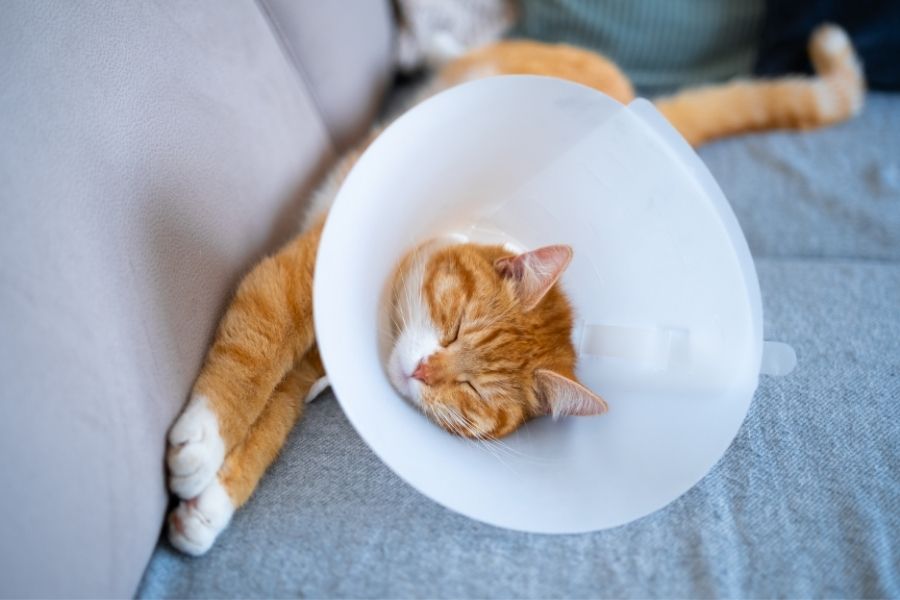
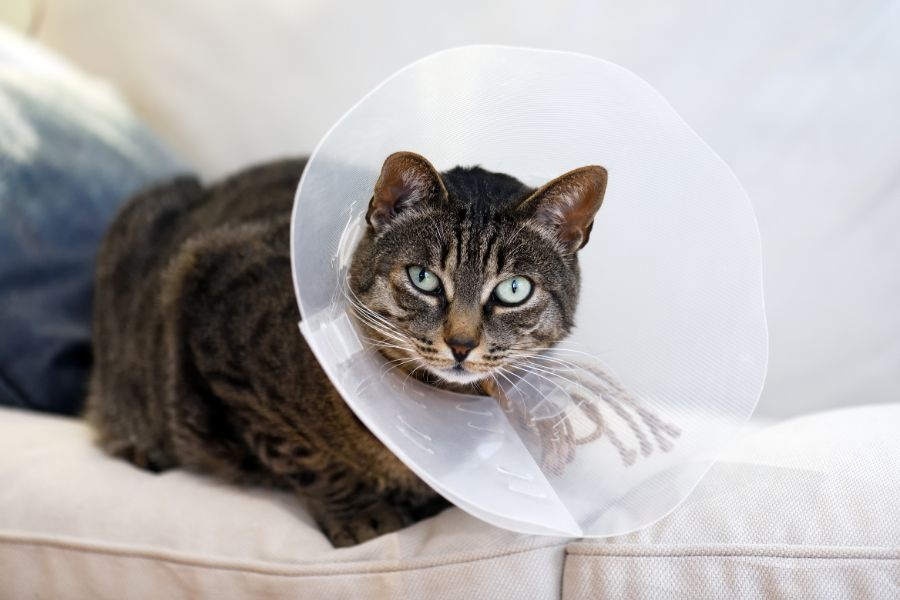
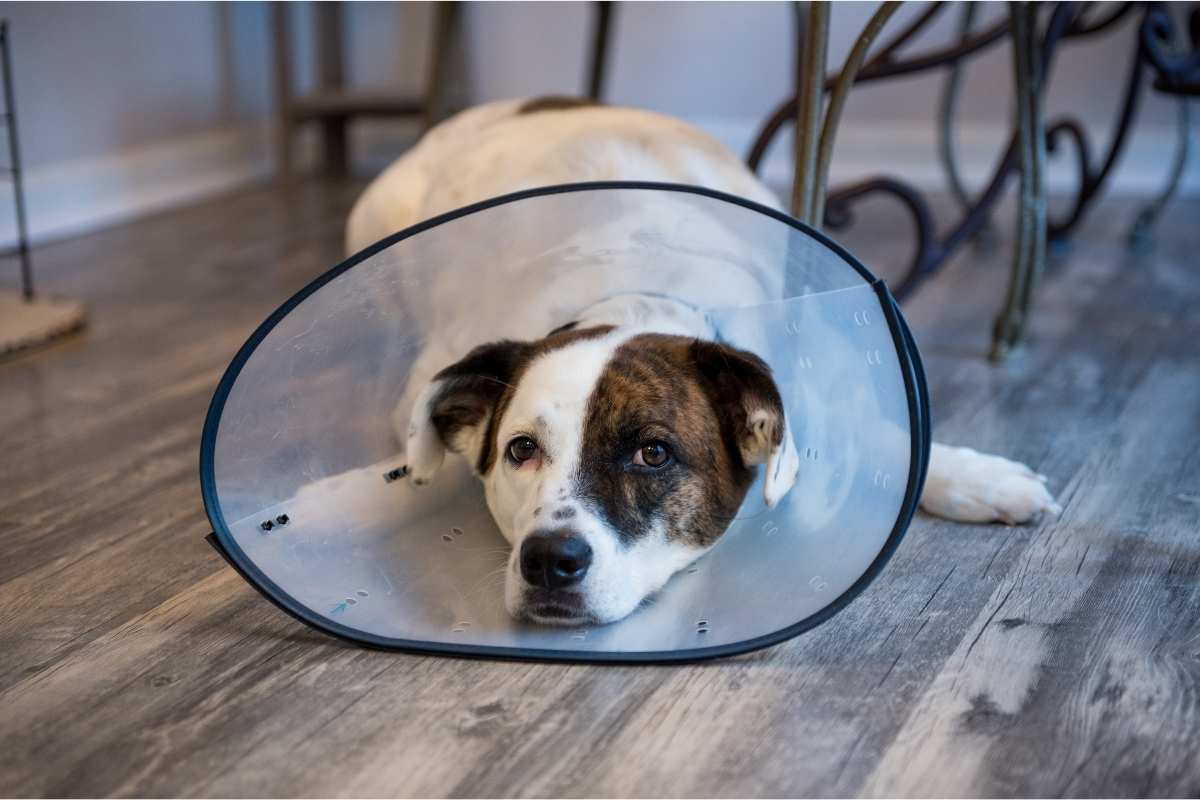
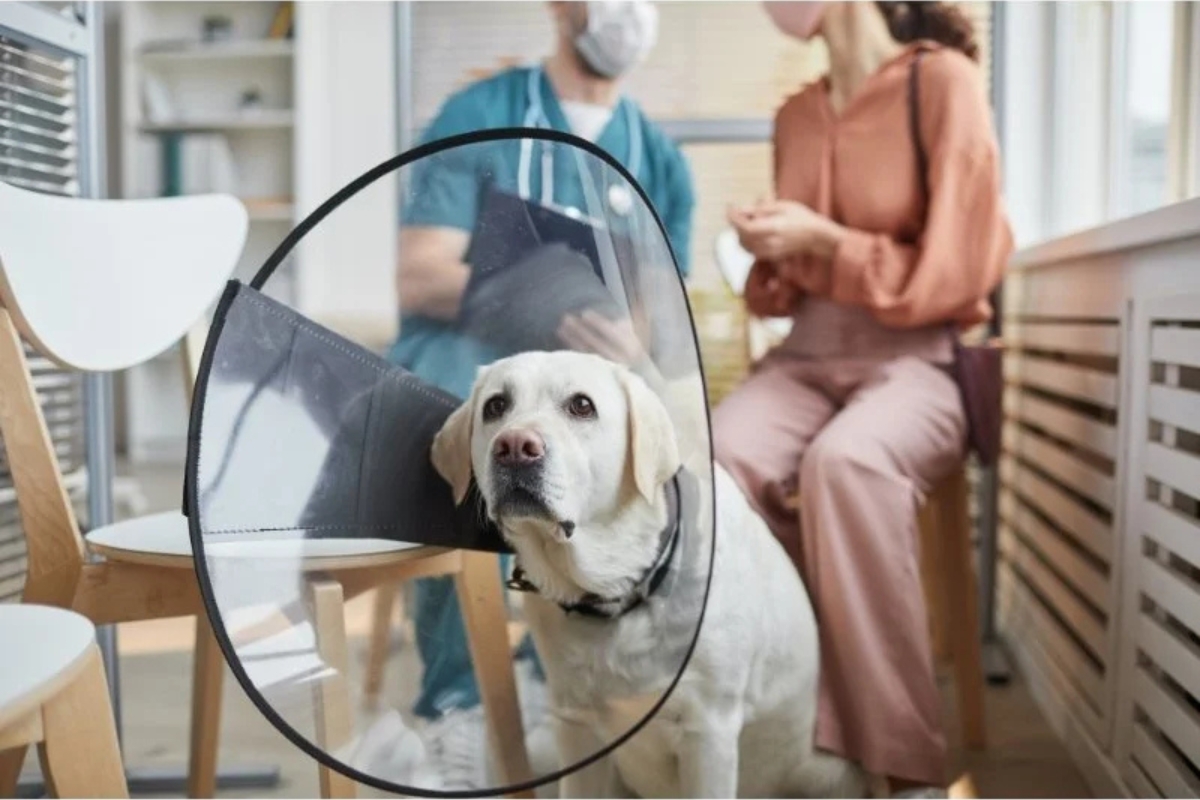
- Use an Elizabethan collar (cone) or a soft recovery collar
- Try surgical suits or recovery onesies for more comfort
- Use bitter-tasting sprays (vet-approved) on bandages if allowed
Supervise your pet as much as possible during the first week to ensure they don’t interfere with the healing process.
5. Administer Medications Properly
Post-surgery medications usually include antibiotics, pain relievers, or anti-inflammatory drugs. Give medications exactly as prescribed. Never skip a dose, and don’t stop early even if your dog seems better.
Helpful tips for administering medication:
- Hide pills in soft treats or pill pockets
- Use a pill dispenser or dropper for liquid meds
- Keep a medication chart to track doses
Consult your vet if your dog vomits or shows side effects after taking medication.
6. Maintain a Healthy Diet and Hydration
Proper nutrition supports healing. Your vet may recommend a bland or special diet post-surgery, depending on the procedure. Offer small, frequent meals and ensure your dog stays hydrated.
If your dog refuses to eat for more than 24 hours or shows signs of nausea, contact your vet immediately. Dehydration and malnutrition can significantly delay recovery.
7. Keep Follow-Up Appointments
Even if your dog seems fine, attending follow-up appointments is vital. Your vet needs to:
- Remove stitches or staples
- Assess healing progress
- Address any underlying issues
Early detection of complications can prevent long-term health problems. Stay on schedule with all post-op visits.
8. Create a Comfortable Recovery Space
Comfort plays a big role in healing. Choose a quiet, clean, and temperature-controlled area for your pet to rest. Provide:
- Soft bedding
- Limited distractions
- Access to water and food
- Toys or chew-safe distractions (if allowed)
Avoid high-traffic or noisy areas where your dog might feel stressed or overstimulated.
Helping your dog recover from surgery doesn’t have to be overwhelming. With patience, consistency, and proper care, you can significantly improve their healing timeline and overall comfort.
If you’re looking for veterinary pet surgery in Levittown, NY, always choose a clinic that provides comprehensive aftercare support. From expert surgeons to compassionate follow-up, a trusted veterinary team will guide you through every step of your pet’s recovery journey.
✅ Frequently Asked Questions (FAQs)
Q1. How long does it take for a dog to recover after surgery?
Ans. Most dogs recover within 10 to 14 days, but it depends on the type of surgery and your dog’s overall health. Always follow your vet’s timeline for activity and wound care.
Q2. Can I bathe my dog after surgery?
Ans. No. Avoid bathing your dog until your veterinarian gives the go-ahead, usually after stitches are removed or the incision is fully healed.
Q3. How can I stop my dog from licking the incision?
Ans. Use an Elizabethan collar (cone), recovery suit, or vet-approved bitter spray. Supervise your dog closely during recovery.
Q4. Is it normal for my dog to be lethargic after surgery?
Ans. Yes, mild lethargy is common, especially after anesthesia. However, if it lasts more than 48 hours, contact your vet.
Q5. What should I do if the incision site looks infected?
Ans. Call your veterinarian immediately. Signs of infection include redness, swelling, discharge, or foul odor.
Q6. When should I resume my dog’s regular exercise routine?
Ans. Only after your veterinarian approves. This can range from 10 days to several weeks, depending on the surgery.