We’re excited to meet you! New clients receive their first pet exam for just $37



Bloodwork, X Rays, or Ultrasound? How Vets Decide What Your Pet Needs

When a dog or cat is not feeling well, the signs are not always clear. Changes such as reduced appetite, vomiting, tiredness, weight loss, coughing, or unusual behavior can have many possible causes. A veterinarian needs more than one clue to understand what is happening inside the body. This is where diagnostic testing becomes an important part of veterinary care.
Bloodwork, digital X Ray imaging, and ultrasound each provide different types of information. Rather than automatically choosing one test, veterinarians consider the pet’s symptoms, physical examination, medical history, age, and suspected health concern. Choosing the appropriate combination can help the veterinary team work toward an accurate diagnosis while avoiding unnecessary testing.
For pet parents in Levittown, understanding why different diagnostic tools may be recommended can make veterinary visits less confusing. Each test answers different questions, and knowing what those questions are can help you feel more prepared when your veterinarian recommends additional testing.
What Does Bloodwork Tell a Veterinarian?
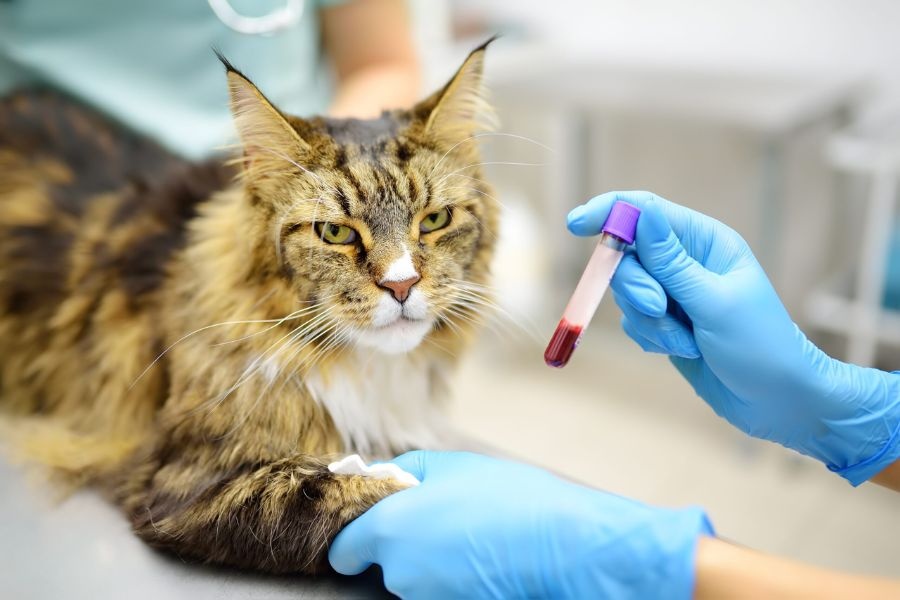
Bloodwork provides information about what is happening throughout your pet’s body. It can help evaluate blood cells, organ function, hydration, blood sugar, proteins, electrolytes, and other important indicators of health.
A complete blood count can provide information about red blood cells, white blood cells, and platelets. Changes in these components may provide clues about conditions involving inflammation, infection, blood loss, or other health concerns.
Blood chemistry testing can provide information about organs such as the liver and kidneys. It can also help evaluate glucose and electrolyte levels.
Bloodwork can be especially useful when a pet has general symptoms that do not point toward one specific body system. A dog that seems unusually tired, for example, may have many possible causes. Laboratory testing can give the veterinarian additional information to narrow those possibilities.
Bloodwork may also be recommended before certain procedures or when a pet is taking long term medication. The exact tests depend on the animal’s individual needs.
When Is a Digital X Ray Useful?
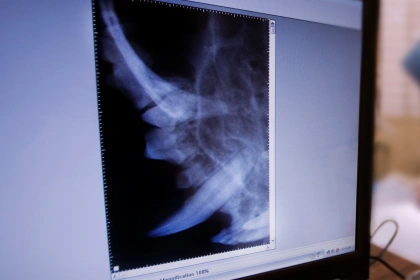
A digital X Ray creates images that allow veterinarians to examine structures inside the body. It is particularly useful for evaluating bones and certain areas of the chest and abdomen.
If a pet has difficulty walking, an X Ray may help identify changes involving the bones or joints. If a dog has persistent coughing or breathing changes, chest imaging may provide information about the lungs, heart size, or other structures within the chest.
X Rays can also help veterinarians investigate swallowed objects, certain abdominal changes, and other concerns.
One advantage of digital X Ray technology is that images can be produced and reviewed efficiently. Depending on the situation, the veterinary team may also use the images to monitor changes over time.
However, X Rays do not provide the same information as bloodwork or ultrasound. The choice depends on what the veterinarian needs to see.
What Can an Ultrasound Show?
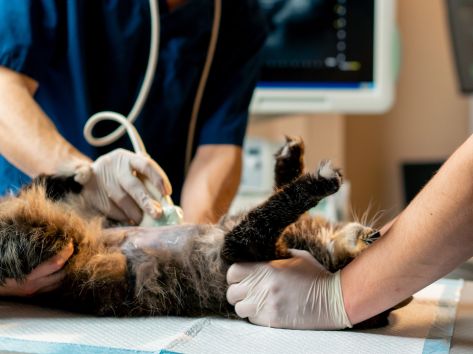
Ultrasound uses sound waves to create images of internal organs and soft tissues. It can provide a different perspective from an X Ray.
Abdominal ultrasound can help veterinarians examine structures such as the liver, kidneys, spleen, bladder, stomach, and intestines. It may also help identify changes in organ structure, fluid, masses, or other abnormalities.
Because ultrasound can show soft tissue detail, it can be useful when an X Ray does not provide enough information.
For example, if a pet has ongoing vomiting or unexplained weight loss, a veterinarian may consider several diagnostic options. Bloodwork may provide information about organ function, while ultrasound can help evaluate the physical appearance of abdominal structures.
These tests can complement one another rather than compete with one another.
Why Your Pet May Need More Than One Test
It is natural for pet owners to wonder why multiple tests are necessary. The simple answer is that no single diagnostic tool can show everything.
Think of bloodwork as providing information about how the body is functioning, while imaging provides a look at physical structures. Even imaging methods differ in what they can reveal.
A veterinarian may recommend bloodwork first if the symptoms suggest a systemic problem. Imaging may be added if the results or physical examination indicate that a closer look at a particular area is needed.
In another situation, an X Ray may be the logical starting point because a pet has an injury or difficulty walking. Ultrasound may become useful if the veterinarian needs more information about soft tissues.
The goal is to select testing based on the clinical question.
How Veterinarians Decide Which Test to Use
Veterinarians typically begin with a thorough physical examination. This can provide important clues about what body system may be involved.
The veterinarian may consider:
- What symptoms the pet is experiencing
- How long the symptoms have been present
- Whether the condition is getting better or worse
- The pet’s age
- Previous medical history
- Current medications
- Changes in appetite or weight
- Physical examination findings
- Previous diagnostic results
- Which health concerns need to be investigated
These factors help the veterinarian determine which diagnostic approach is most appropriate.
Sometimes one test is enough to answer the immediate question. In other cases, combining different tests provides a more complete picture.
The Importance of an Accurate Diagnosis
An accurate diagnosis is important because different conditions can produce similar symptoms.
For example, decreased appetite can occur with digestive problems, pain, metabolic changes, dental concerns, and many other conditions. Simply treating the visible symptom may not address the underlying cause.
Diagnostic testing can provide evidence that helps veterinarians distinguish between different possibilities.
The results are not interpreted separately from the pet. A veterinarian considers laboratory findings and imaging alongside the physical examination and medical history.
This combination can support a more informed treatment plan.
What Happens If a Test Shows an Abnormality?
An abnormal result does not automatically mean that a pet has a serious disease. Laboratory values and imaging findings need to be interpreted in context.
Some changes may be temporary or related to factors such as stress, recent activity, medications, or other individual circumstances. Other findings may warrant additional investigation.
If a test reveals something unexpected, the veterinarian may recommend repeating the test, performing another type of diagnostic evaluation, or monitoring the pet over time.
This is another reason historical medical records can be valuable. Comparing current results with previous information may help the veterinarian understand whether a finding is new or has been present previously.
Preparing Your Pet for Diagnostic Testing
Preparation depends on the type of test being performed.
Some bloodwork may require specific preparation, such as temporarily withholding food, while other tests may not. Your veterinary team will provide instructions based on the planned evaluation.
Imaging preparation can also vary. Certain procedures may require your pet to remain still for clear images. In some situations, sedation may be discussed based on the pet’s temperament, comfort, and the type of imaging required.
Always follow the instructions provided by your veterinary team rather than making changes to your pet’s food, medication, or routine on your own.
Why Regular Pet Health Monitoring Matters
Diagnostic testing is not only useful when a pet is sick. Depending on age, health history, and individual risk factors, veterinarians may recommend periodic testing as part of ongoing health monitoring.
Routine evaluations can establish useful reference information and may help identify changes that are not obvious at home.
Pet parents should also share observations with their veterinarian. Changes in appetite, thirst, urination, activity, weight, sleep, or behavior can provide important clues that help guide diagnostic decisions.
Making Diagnostic Care More Understandable
Bloodwork, digital X Ray imaging, and ultrasound each have an important role in veterinary medicine. The right choice depends on what the veterinarian needs to learn about the pet.
Bloodwork can provide insight into internal body function. X Rays can help visualize bones and certain structures. Ultrasound can provide detailed information about many soft tissues and abdominal organs.
For families in Levittown, understanding these differences can make conversations about pet health easier. At Levittown Animal Hospital, your veterinary team can evaluate your pet’s individual symptoms and determine which diagnostic tools may provide the most useful information.
The goal is not simply to perform a test. It is to gather meaningful information that helps the veterinary team understand your pet’s condition and make informed decisions about care.
Schedule a Pet Health Evaluation
If your pet has experienced changes in appetite, energy, weight, behavior, digestion, mobility, or other aspects of daily life, schedule an appointment with Levittown Animal Hospital. A veterinary evaluation can help determine whether bloodwork, digital X Ray imaging, ultrasound, or another form of diagnostic testing is appropriate.
Early attention to changes in your pet’s health can provide valuable information and help your veterinary team develop a care plan based on your pet’s individual needs.
Frequently Asked Questions
Q1. How do veterinarians decide whether my pet needs bloodwork or imaging?
Ans: Veterinarians consider the pet’s symptoms, physical examination, age, medical history, and suspected health concerns. These factors help determine which test can provide the most useful information.
Q2. What is the difference between a digital X Ray and an ultrasound for pets?
Ans: Digital X Rays are particularly useful for viewing bones and certain chest and abdominal structures. Ultrasound provides detailed images of many soft tissues and internal organs.
Q3. Can bloodwork and imaging be performed during the same veterinary visit?
Ans: Depending on the pet’s condition and the veterinarian’s recommendations, multiple diagnostic tests may be performed during one visit. The appropriate approach depends on the individual situation.
Q4. Does an abnormal bloodwork result always mean my pet is sick?
Ans: Not necessarily. An abnormal result must be interpreted alongside the pet’s symptoms, physical examination, medical history, and other findings. Additional testing or monitoring may sometimes be recommended.
Q5. How can I prepare my pet for diagnostic testing?
Ans: Preparation depends on the test. Your veterinary team may provide instructions about food, medication, activity, or other preparations. Follow those instructions carefully and ask questions if anything is unclear.