We’re excited to meet you! New clients receive their first pet exam for just $37



Common Pet Symptoms That Often Lead to Diagnostic Testing


Pets can’t tell us when something feels wrong, so changes in their behavior, appetite, or daily routine often provide the first clues that they need medical attention. While some symptoms may be temporary, others can signal underlying health concerns that require further evaluation. That’s where diagnostic testing becomes an essential part of veterinary care.
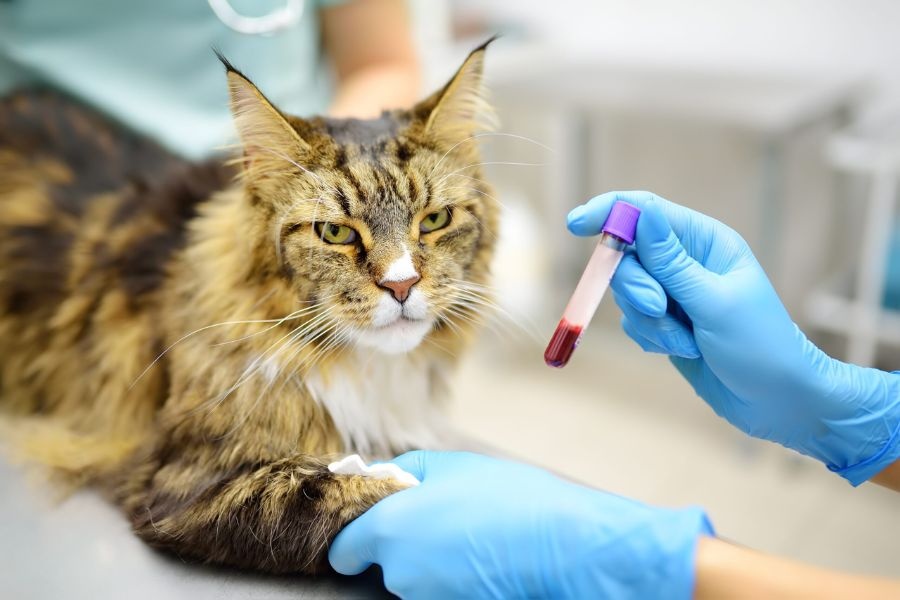
Diagnostic tests help veterinarians move beyond visible symptoms to better understand what’s happening inside your pet’s body. By identifying the cause of a problem early, your veterinary team can recommend appropriate treatment and monitor your pet’s overall health more effectively.
Here are some of the most common pet symptoms that often lead to diagnostic testing.
Unexplained Loss of Appetite
A pet that suddenly loses interest in food should never be ignored. Skipping one meal may not always indicate a serious problem, but a prolonged decrease in appetite can be linked to various health conditions.
Depending on your pet’s symptoms, your veterinarian may recommend:
- Blood work
- Urinalysis
- Fecal examination
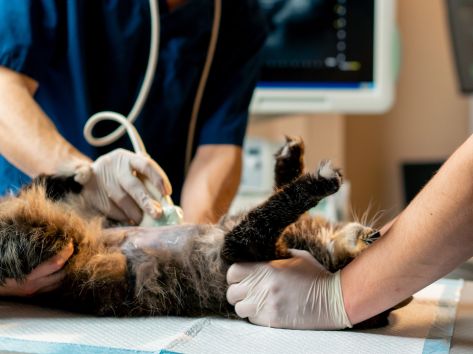
- Diagnostic imaging
These tests help identify potential issues affecting digestion, organ function, or overall health.
Vomiting or Diarrhea That Persists
Occasional digestive upset can happen, but repeated vomiting or diarrhea often requires a closer look.
Diagnostic testing helps determine whether the symptoms are related to dietary issues, parasites, infections, inflammation, or other medical conditions.
Early evaluation also helps prevent dehydration and allows veterinarians to develop an appropriate treatment plan.
Changes in Drinking or Urination
Have you noticed your pet drinking significantly more water than usual or asking to go outside more frequently?
Changes in thirst or urination may indicate underlying medical concerns involving the kidneys, urinary tract, or other body systems.
Common diagnostic tests include:
- Blood testing
- Urinalysis
- Urine culture
- Imaging when appropriate
Identifying the cause early can make a significant difference in long-term health management.
Unexplained Weight Loss
Gradual or sudden weight loss often occurs before owners notice other symptoms.
Even if your pet continues eating normally, unexpected weight loss deserves veterinary attention. Diagnostic testing helps evaluate metabolism, digestive health, and internal organ function to determine the underlying cause.
Routine weight monitoring during wellness visits also makes subtle changes easier to detect.
Persistent Coughing or Breathing Changes
Occasional coughing may not always indicate a serious problem, but persistent coughing, noisy breathing, or reduced exercise tolerance should be evaluated.
Your veterinarian may recommend:
- Chest radiographs
- Blood work
- Additional respiratory assessments
These tests provide valuable information about your pet’s heart and lung health.
Lethargy or Reduced Activity
Every pet enjoys relaxing, but ongoing fatigue or a noticeable decrease in activity can be an early warning sign.
If your normally energetic dog avoids walks or your cat spends far more time sleeping than usual, diagnostic testing may help identify the reason.
Blood work is often one of the first steps in evaluating unexplained lethargy because it provides important insight into overall health.
Skin Problems That Won’t Improve
Persistent itching, hair loss, skin irritation, or recurring ear problems often require more than a visual examination.
Depending on your pet’s condition, your veterinarian may perform:
- Skin cytology
- Skin scraping
- Laboratory testing
- Additional diagnostics
Finding the underlying cause allows treatment to focus on the source of the problem rather than only managing symptoms.
Changes in Behavior
Behavioral changes sometimes have medical causes.
A pet that suddenly becomes withdrawn, restless, confused, or less interested in family interaction may be experiencing discomfort or an underlying health issue.
Diagnostic testing helps rule out medical conditions before assuming the behavior is purely emotional or age-related.
Why Diagnostic Testing Matters
Diagnostic testing provides valuable information that cannot be determined through observation alone. Many health conditions develop gradually, and early testing allows veterinarians to identify concerns before they become more advanced.
Instead of guessing, diagnostic tools provide clearer answers that support informed treatment decisions and ongoing health monitoring.
For pet owners in Levittown, paying attention to subtle changes and seeking veterinary guidance early can help protect your pet’s health and improve long-term outcomes.
At Levittown Animal Hospital, we’re committed to providing compassionate care supported by advanced diagnostic services. If your pet has developed unusual symptoms or simply isn’t acting like themselves, our experienced team is here to help identify the cause and create a personalized care plan. Schedule an online appointment today to give your pet the thorough evaluation they deserve.
FAQ
Q1. When should I consider diagnostic testing for my pet?
Ans: If your pet develops persistent symptoms such as appetite changes, vomiting, diarrhea, unusual fatigue, coughing, weight loss, or behavioral changes, your veterinarian may recommend diagnostic testing to identify the underlying cause.
Q2. Are blood tests necessary if my pet looks healthy?
Ans: Routine blood work can provide valuable information even when pets appear healthy. It helps establish normal baseline values and may detect early changes before visible symptoms develop.
Q3. What types of diagnostic tests are commonly performed?
Ans: Veterinarians may recommend blood tests, urinalysis, fecal examinations, imaging, skin evaluations, or other laboratory tests depending on your pet’s symptoms and medical history.
Q4. How do diagnostic tests help with treatment decisions?
Ans: Diagnostic results provide detailed information about your pet’s health, allowing veterinarians to recommend treatment plans based on accurate findings instead of relying only on visible symptoms.
Q5. Can early diagnostic testing improve my pet’s long-term health?
Ans: Yes. Identifying health concerns early often allows for more effective management, supports better treatment outcomes, and helps maintain your pet’s quality of life over time.