We’re excited to meet you! New clients receive their first pet exam for just $37



How Veterinarians Decide Which Diagnostic Test to Perform First


When a pet is not acting like themselves, finding the reason can sometimes require more than a physical examination. A veterinarian may recommend diagnostic testing to gather additional information about what is happening inside the body. But with many diagnostic tools available, pet owners may wonder why one test is recommended before another.
Veterinarians do not usually select diagnostic tests at random. The decision is guided by the pet’s symptoms, physical examination, age, medical history, lifestyle, and the questions that need to be answered.
The first test is often chosen because it can provide useful information while helping the veterinarian determine what should happen next. If the initial findings do not explain the concern, additional evaluation may be considered.
Understanding this process can help pet owners in Levittown feel more comfortable with the diagnostic approach used during veterinary visits.
It Starts With Listening to the Pet Owner
Before selecting a diagnostic test, a veterinarian often begins by gathering information from the person who knows the pet best.
Pet owners may notice changes that are difficult to identify during a short office visit. A pet may be eating differently, drinking more water, sleeping more, losing weight, avoiding certain activities, or behaving in an unusual way.
Details about when the change started can also matter. A symptom that appeared suddenly may lead the veterinarian to consider different possibilities than a gradual change that has developed over several months.
Information about diet, activity, medications, previous health concerns, and daily habits can also help narrow the possibilities.
These conversations help the veterinarian determine which questions need to be answered through diagnostic testing.
The Physical Examination Helps Set Priorities
A physical examination is another important part of deciding what to test first.
The veterinarian may evaluate your pet’s weight, temperature, heart and breathing, hydration, eyes, ears, mouth, skin, abdomen, movement, and other physical characteristics depending on the situation.
The findings can help identify which body systems may need closer evaluation.
For example, changes found during an examination may make laboratory testing useful, while other findings may point toward imaging or another form of evaluation.
The goal is to connect the examination findings with the most useful next step.
The First Test Should Answer a Useful Question
Diagnostic testing is most helpful when there is a clear reason for performing it.
A veterinarian may ask questions such as whether a pet’s symptoms could be related to an internal health concern, whether an organ is functioning normally, or whether a particular area of the body needs closer evaluation.
The selected test should ideally provide information that helps answer those questions.
This is one reason there is not a universal order of diagnostic tests for every pet. The appropriate first test for one animal may not be the appropriate first test for another.
Common Tests Can Provide a Broad Starting Point
In some situations, veterinarians may begin with commonly used laboratory tests because they can provide broad information about a pet’s current health.
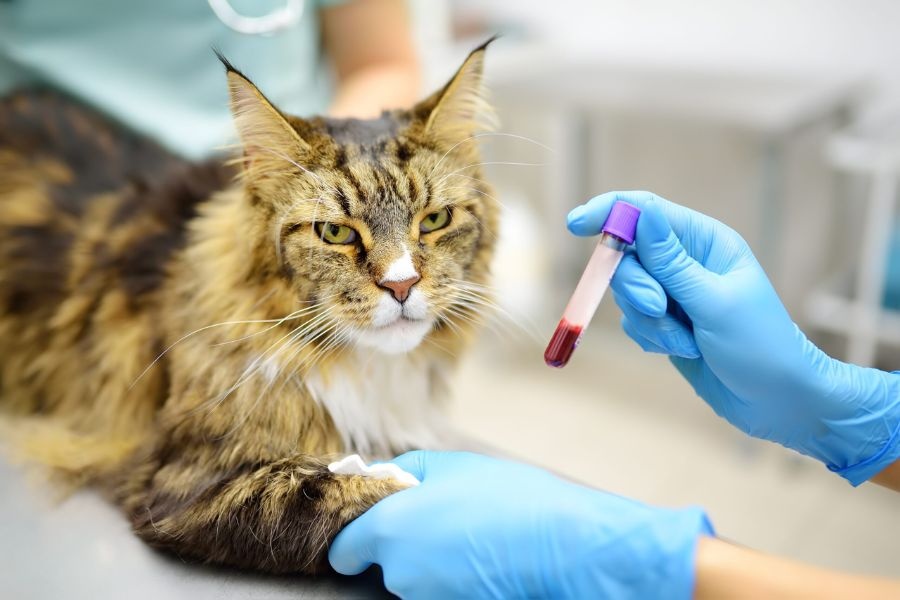
Blood testing may provide information about blood cells and certain aspects of organ function. Urine testing can provide additional information about hydration, urinary health, and other internal processes.
These tests can sometimes help identify patterns that guide the next stage of evaluation.
If the findings are reassuring but the pet continues to show symptoms, the veterinarian may consider whether another type of diagnostic evaluation could provide more useful information.
Imaging May Be Chosen When Structure Matters
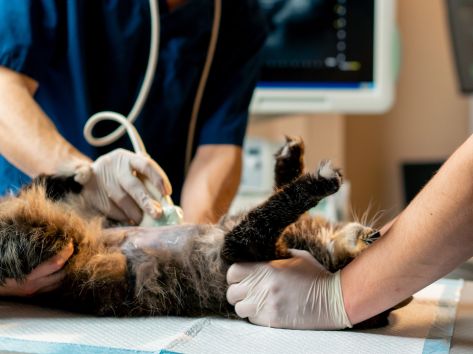
Some concerns involve changes that laboratory testing alone may not reveal. When the veterinarian needs information about the physical structure of an area inside the body, imaging may be considered.
The choice of imaging depends on what the veterinarian needs to see and the specific concern being investigated.
Imaging can sometimes help identify the location or characteristics of an abnormal area. It can also provide information that complements laboratory findings.
Rather than automatically starting with the most advanced available option, the veterinarian considers which diagnostic tool is most likely to answer the question at hand.
Advance Testing May Come Later
The phrase advance testing can sound intimidating, but additional testing does not necessarily mean that a serious problem has been identified.
Sometimes initial tests provide only part of the answer. If symptoms continue or the findings point toward a particular concern, the veterinarian may recommend more detailed diagnostic evaluation.
Advance testing can include more specialized laboratory analysis or additional diagnostic procedures depending on the situation.
The purpose is to gather information that could not be obtained from the initial evaluation.
This step by step process can prevent unnecessary testing while still allowing the veterinary team to investigate concerns thoroughly.
Age Can Influence the Diagnostic Approach
A pet’s age can influence how a veterinarian interprets symptoms and diagnostic findings.
Young pets may have health considerations associated with growth and development. Adult pets may present with concerns related to lifestyle, nutrition, activity, or other factors. Older pets may require closer attention to gradual changes that develop with age.
Age does not automatically determine which test should come first. Instead, it provides context that helps the veterinarian interpret the rest of the information.
The same symptom may lead to different diagnostic considerations depending on the pet’s age and health history.
Previous Medical History Can Change the Plan
A pet’s medical history can be just as important as current symptoms.
If your pet has previously experienced a particular health issue, undergone a procedure, taken certain medications, or had abnormal diagnostic findings, the veterinarian may take that information into account when selecting the next test.
Previous records can also make comparisons possible. A current result may be more meaningful when compared with an earlier result from the same pet.
For this reason, keeping your pet’s veterinary records available can help the veterinary team make more informed diagnostic decisions.
Veterinarians Consider the Whole Pet
One of the most important principles of pet diagnostic care is that test results should not be interpreted separately from the pet.
A laboratory value may look unusual but have limited significance depending on the overall circumstances. Another result may fall within a typical range while the pet’s symptoms still warrant additional investigation.
Veterinarians consider the combination of test results, physical examination findings, medical history, symptoms, and changes over time.
This broader approach helps prevent decisions from being based on one isolated number.
Sometimes Monitoring Comes Before More Testing
Not every change requires multiple diagnostic tests immediately.
Depending on the circumstances, a veterinarian may recommend monitoring a pet for a period of time. This can involve watching appetite, activity, weight, behavior, or other specific signs.
Follow up information can help determine whether a concern is improving, remaining stable, or changing.
If the situation changes, the veterinarian may then recommend additional testing based on the new information.
This type of thoughtful monitoring can be an important part of personalized veterinary care.
What Pet Owners Can Do to Help
Pet owners can make the diagnostic process more useful by providing detailed observations.
Before an appointment, consider noting when you first noticed a change, whether it happens consistently, whether your pet’s appetite or activity has changed, and whether there have been differences in drinking or bathroom habits.
Bring information about your pet’s current diet and medications when appropriate. If previous veterinary records are available, those may also be helpful.
The more complete the information, the easier it can be for the veterinarian to connect your observations with examination and diagnostic findings.
Understanding Diagnostic Care in Levittown
For pet owners in Levittown, understanding how diagnostic decisions are made can make veterinary visits feel less uncertain. Diagnostic care is not simply about ordering as many tests as possible. It is about choosing useful tests based on the information already available and determining what question needs to be answered next.
At Levittown Animal Hospital, your pet’s symptoms, examination findings, medical history, and individual circumstances can all help guide the diagnostic process.
If an initial test does not provide the complete answer, additional evaluation may be considered. Each step can provide information that helps shape the next decision.
Schedule a Diagnostic Consultation
If you have noticed changes in your pet’s appetite, weight, behavior, activity, or other daily habits, consider scheduling an appointment with Levittown Animal Hospital.
An online appointment or booking option can make it convenient to arrange a veterinary visit and discuss your concerns. Your veterinarian can evaluate your pet and determine whether diagnostic testing is appropriate.
If testing is recommended, you can also ask what each test is designed to evaluate and how the results may influence the next stage of care.
Frequently Asked Questions
Q1. How does a veterinarian decide which diagnostic test to perform first?
Ans: The veterinarian considers the pet’s symptoms, physical examination, age, medical history, lifestyle, and the specific questions that need to be answered. The first test is generally selected based on which information would be most useful at that stage.
Q2. Does every pet with the same symptom receive the same diagnostic test?
Ans: Not necessarily. Pets can have different medical histories, ages, physical findings, and circumstances. These differences can influence which diagnostic approach is most appropriate.
Q3. Why might a veterinarian recommend blood or urine testing first?
Ans: These tests can provide useful information about different aspects of a pet’s internal health and may help the veterinarian determine whether additional evaluation is needed.
Q4. When might advance testing be recommended?
Ans: Advance testing may be considered when initial findings do not fully explain a pet’s symptoms or when the veterinarian needs more specific information to investigate a particular concern.
Q5. Can previous diagnostic results affect which test is performed next?
Ans: Yes. Previous results can provide useful comparisons and may help the veterinarian identify changes or trends. Medical history can also influence which diagnostic options are considered.