We’re excited to meet you! New clients receive their first pet exam for just $37



How Regular Dental Exams Can Prevent Painful Oral Health Problems

Your pet’s health is a top priority, and while most pet owners focus on their pet’s general health, one aspect often gets overlooked—oral health. Just like us, pets can develop dental problems that, if left untreated, can lead to painful conditions and even severe health issues. Regular dental exams are essential to preventing these problems before they escalate into more severe issues.
This blog is especially for pet owners in Levittown, NY, who want to understand the importance of dental exams for their pets. In this guide, we will explore how regular dental checkups can prevent painful oral health problems, what’s involved in these exams, and why they should be part of your pet’s routine care. By the end, you’ll see why regular dental exams are a simple step that can make a big difference in your pet’s health.
Why Regular Dental Exams Matter for Your Pet
Dental exams play a crucial role in maintaining your pet’s overall health. Just like humans, pets are susceptible to plaque buildup, gum disease, tooth decay, and other dental problems. Over time, untreated oral issues can lead to more severe complications, including infections that can affect other organs like the heart and kidneys.
Veterinary dental exams allow for the detection of early signs of these issues, helping to prevent the need for more extensive (and expensive) treatments later on. By being proactive with your pet’s dental care, you can ensure they remain comfortable, healthy, and pain-free for many years to come.
Exploring What Happens During Your Pet’s Dental Exam
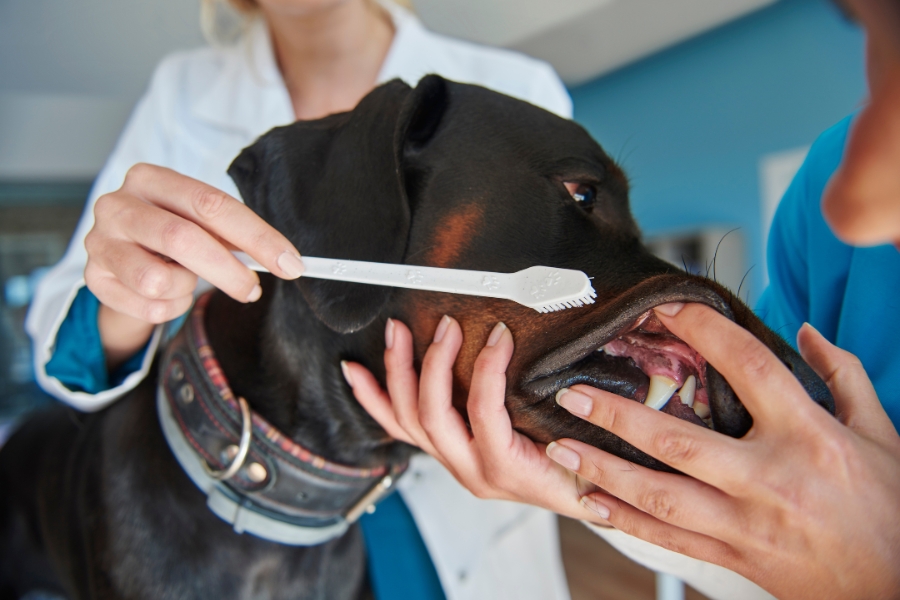
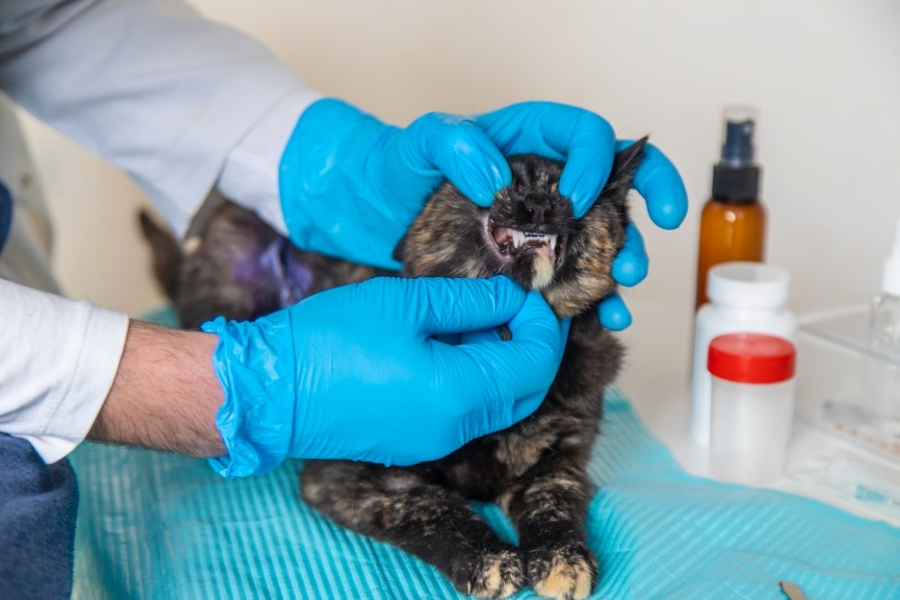
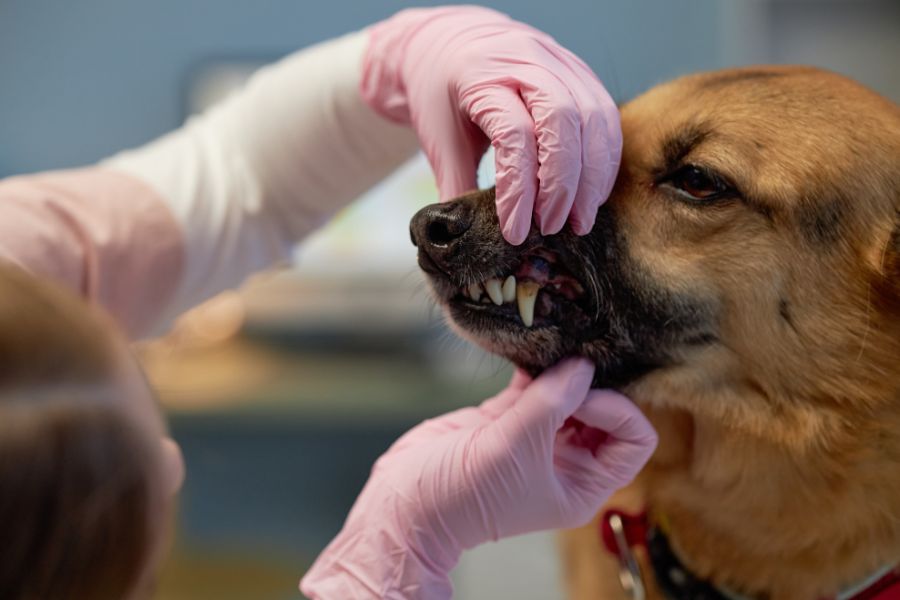
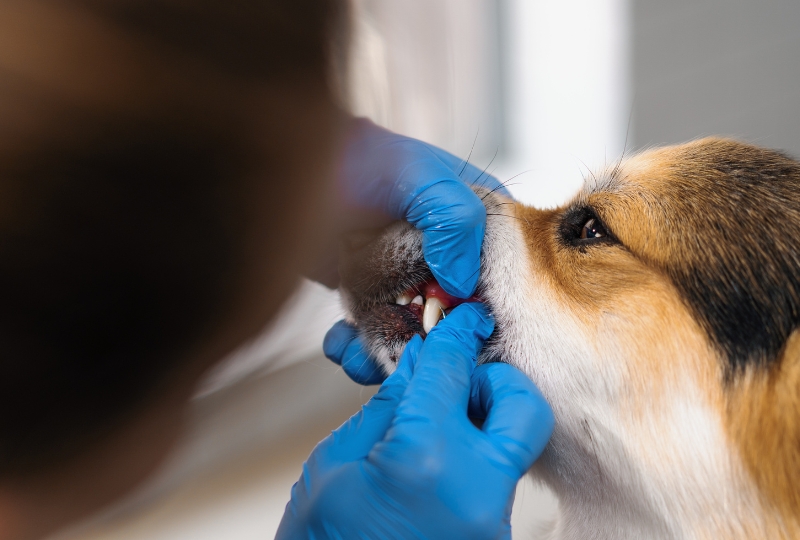
During a dental service, the veterinarian will carefully inspect your pet’s teeth, gums, and mouth for any signs of oral health issues, including checking for gum disease, loose teeth, cavities, and other problems that could lead to pain or discomfort. In many cases, the vet may recommend a professional cleaning to remove tartar and plaque that regular brushing can’t tackle.
Dental exams provide an opportunity to discuss proper home dental care with the veterinarian. They can advise you on the best tools and techniques to maintain your pet’s oral health between visits.
How Dental Exams Prevent Painful Conditions
Early Detection of Gum Disease
Gum disease is one of the most common dental problems in pets. It begins with plaque buildup on the teeth, which can eventually harden into tartar and, if left untreated, lead to gingivitis, an early stage of gum disease characterized by inflamed gums. If left untreated, gum disease can progress to periodontitis, which can cause tooth loss and damage to the bone.
Regular dental exams allow the veterinarian to spot signs of gum disease early, preventing further progression and minimizing pain for your pet. By addressing gum disease early on, you can avoid more invasive procedures and reduce the risk of complications.
Prevention of Tooth Decay and Infections
Tooth decay occurs when plaque and tartar erode the enamel of your pet’s teeth. If left unchecked, this can lead to painful infections and abscesses that require more extensive treatments, including tooth extractions.
Regular dental checkups help the vet catch early signs of tooth decay and address them before they cause significant pain. The veterinarian may also recommend professional cleanings to keep your pet’s teeth in top condition and prevent buildup that can lead to cavities.
Managing Tooth and Gum Infections
Infections in your pet’s mouth can occur if bacteria enter through damaged teeth or gums. These infections, if not treated, can spread to other parts of the body and lead to serious health conditions. Regular dental exams allow the vet to identify and treat infections early, reducing the risk of complications and improving your pet’s overall health.
The Long-Term Benefits of Regular Dental Care
Maintaining Overall Health
Your pet’s oral health is closely linked to their overall health. Oral bacteria can enter the bloodstream and affect organs such as the heart, liver, and kidneys, especially if there’s untreated gum disease. By keeping up with regular dental exams and cleanings, you’re helping to prevent these potential risks and supporting your pet’s long-term health.
Reducing Pain and Discomfort
Many dental problems are painful, whether it’s a tooth infection, gum disease, or loose teeth. Regular dental exams can help the vet identify these issues before they cause too much pain or discomfort, ensuring your pet remains happy and healthy.
Improving Quality of Life
Pets with dental problems often experience a reduced quality of life. They may avoid eating, show signs of discomfort, or become irritable. By preventing dental issues with regular exams and treatments, you can help your pet lead a more active, enjoyable life without the pain associated with untreated oral health problems.
The Step-by-Step Process of Your Pet’s Dental Cleaning
Step 1: Pre-Cleaning Examination
Before your pet’s teeth are cleaned, the veterinarian will conduct a thorough examination of their teeth, gums, and mouth to help identify any potential issues that may need immediate attention.
Step 2: Professional Cleaning
Professional cleaning involves scaling, which removes plaque and tartar buildup from your pet’s teeth, and is usually done under anesthesia to ensure your pet’s comfort and safety. After scaling, the vet may polish your pet’s teeth to smooth the surface and help prevent future plaque buildup.
Step 3: Post-Cleaning Care
After the cleaning, the veterinarian will give you guidelines for caring for your pet’s teeth at home, which may include brushing regularly and providing dental treats or toys designed to reduce plaque buildup. Depending on your pet’s oral health, the veterinarian may recommend follow-up appointments to ensure their teeth stay clean and healthy.
Keep Your Pet’s Dental Health a Priority
Regular dental exams are an essential part of your pet’s health care routine. These exams help prevent painful oral health problems, detect early signs of gum disease and tooth decay, and ensure your pet remains comfortable and healthy. The benefits of investing in your pet’s oral health are long-lasting, as they can help prevent more severe health problems down the line and improve your pet’s quality of life.
If you’re in Levittown and want to book a pet dental exam near you, schedule your appointment with Levittown Animal Hospital to provide comprehensive dental care for your beloved animal. Contact us today to ensure your pet enjoys a lifetime of healthy teeth and gums.
Frequently Asked Questions
Q1: How often should I take my pet for a dental exam?
It’s recommended to take your pet for a dental exam at least once a year, although some pets may need more frequent visits depending on their age, breed, and oral health.
Q2: Can dental exams prevent gum disease in pets?
Yes, regular dental exams help detect early signs of gum disease and allow the veterinarian to intervene before it causes significant damage.
Q3: Is anesthesia necessary for my pet’s dental cleaning?
Yes, anesthesia is typically used during dental cleanings to ensure your pet remains still and comfortable throughout the procedure.
Q4: What are the signs that my pet needs a dental cleaning?
Signs may include bad breath, difficulty eating, drooling, swollen or bleeding gums, or visible tartar buildup on the teeth.
Q5: Can dental disease affect my pet’s overall health?
Yes, untreated dental disease can lead to infections that may affect your pet’s heart, liver, and kidneys, impacting their overall health.
Q6: How can I maintain my pet’s dental health at home?
Regular brushing, dental treats, and toys designed to clean your pet’s teeth can help maintain their oral health between veterinary visits.