We’re excited to meet you! New clients receive their first pet exam for just $37



How to Keep Your Cat’s Teeth Clean & Healthy

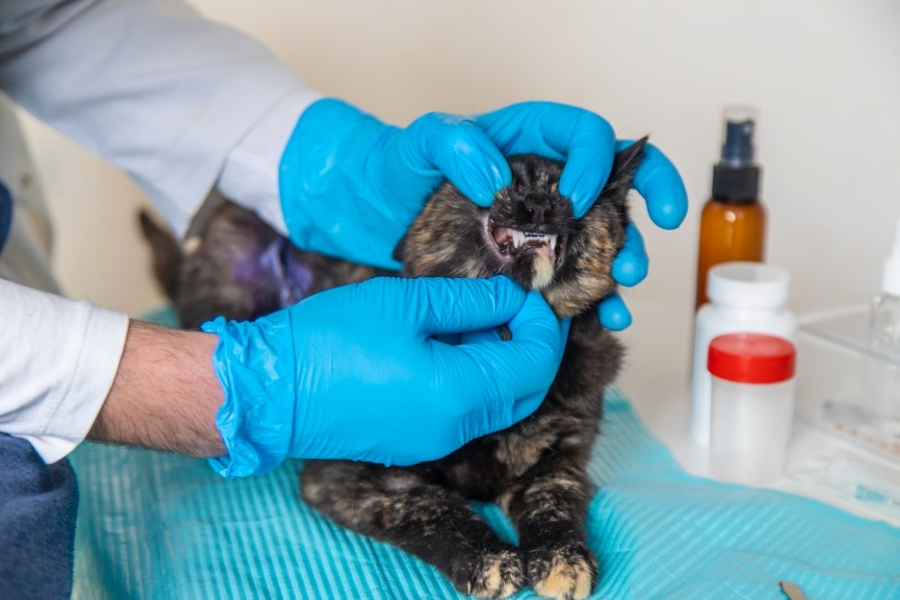
Cats are independent creatures, but when it comes to their health, they need your help to stay in top shape. One important aspect of their overall well-being that often gets overlooked is cat dental care. Just like humans, cats can suffer from dental problems such as plaque buildup, gum disease, and tooth decay. The good news is that with proper care, you can help keep your cat’s teeth clean and healthy, preventing many of these issues before they start.
In Levittown, NY, it’s easy to neglect your cat’s dental hygiene, especially since they tend to hide discomfort. But keeping their teeth clean doesn’t have to be difficult. By following some simple steps, you can ensure that your cat’s smile stays bright and healthy for years to come.
Why Cat Dental Care is Important
Maintaining your cat’s dental health is not just about keeping their teeth looking good—it’s about preventing serious health issues. Poor dental care can lead to periodontal disease, which is the most common dental problem in cats. This condition can cause bad breath, gum infections, tooth loss, and even heart, liver, and kidney problems if left untreated.
By keeping your cat’s teeth clean, you not only promote their oral health but also their overall health. Dental care should be a part of your cat’s regular routine, just like feeding and grooming.
1. Brushing Your Cat’s Teeth Regularly
One of the most effective ways to keep your cat’s teeth clean is by brushing them regularly. While many cats may resist having their teeth brushed, starting early and using the right techniques can make the process much easier.
Start by introducing your cat to brushing gradually. Begin by letting them sniff and get used to the toothbrush and toothpaste. Use a toothbrush designed for pets, as it will have soft bristles and a comfortable grip. You should also use toothpaste made specifically for cats—human toothpaste contains ingredients that are toxic to pets.
Once your cat is comfortable, start brushing their teeth gently. Focus on the outside surfaces of the teeth, as this is where plaque tends to build up. Aim to brush your cat’s teeth at least two to three times a week to effectively prevent plaque and tartar buildup.
2. Dental Treats and Toys
In addition to brushing, dental treats and toys can play a key role in keeping your cat’s teeth clean. Many pet stores offer dental chews designed to reduce plaque and tartar. These treats typically have a rough texture that helps clean the teeth as your cat chews, providing an enjoyable and beneficial activity.
Cat toys designed for dental health can also help. Some toys are made with special textures that scrub your cat’s teeth as they play. These toys are great for encouraging healthy chewing habits while also keeping your cat entertained.
3. Diet and Nutrition for Healthy Teeth
What your cat eats plays a big role in their dental health. Dry kibble, for instance, can help scrape plaque off your cat’s teeth as they chew. However, it’s important to note that kibble alone is not enough to maintain optimal dental health.
Some brands of cat food are specially formulated to support dental care. These foods may contain ingredients that help reduce plaque buildup and promote healthy gums. If you’re unsure what food is best for your cat’s dental needs, consult your veterinarian at Levittown Animal Hospital for recommendations tailored to your pet’s health.
Avoid feeding your cat sugary or sticky foods that can contribute to plaque buildup. Wet cat food can sometimes contribute to dental issues because it tends to stick to the teeth. If your cat prefers wet food, make sure to incorporate other forms of dental care into their routine.
4. Regular Veterinary Checkups
Even with regular brushing and dental treats, it’s essential to schedule routine veterinary checkups. Your veterinarian will be able to check for signs of dental disease, such as gum inflammation, tooth decay, or other oral issues.
During these checkups, your veterinarian may also perform a professional cleaning to remove tartar and plaque that regular brushing can’t reach. Professional dental cleanings are a vital part of your cat’s dental care routine and should be done at least once a year, depending on your cat’s individual needs.
If you notice signs of dental problems, such as bad breath, drooling, or difficulty eating, be sure to take your cat to the veterinarian promptly.
5. Watch for Signs of Dental Problems
Sometimes, cats hide signs of dental issues, so it’s important to watch for any changes in their behavior or habits. Common signs of dental problems include:
- Bad breath (halitosis)
- Drooling more than usual
- Pawing at their mouth or face
- Difficulty eating or chewing
- Decreased appetite
- Red, swollen, or bleeding gums
Keeping your cat’s teeth clean and healthy is crucial for their overall well-being. By brushing their teeth regularly, providing dental treats and toys, feeding them a nutritious diet, and scheduling regular veterinary checkups, you can help prevent dental issues and ensure they live a long, healthy life. If you’re in Levittown, NY, and want to ensure your cat’s dental health is in top shape, don’t hesitate to schedule an appointment with Levittown Animal Hospital. Our team is here to provide expert care and advice to keep your cat’s teeth clean, healthy, and free of dental disease.
FAQs
Q1. How often should I brush my cat’s teeth?
Ans. Brushing your cat’s teeth at least two to three times a week is ideal for preventing plaque buildup and maintaining oral health.
Q2. Can I use human toothpaste to brush my cat’s teeth?
Ans. No, human toothpaste contains fluoride and other ingredients that are toxic to cats. Always use toothpaste specifically made for pets.
Q3. Are dental treats effective for cleaning my cat’s teeth?
Ans. Yes, dental treats with a rough texture can help reduce plaque and tartar buildup, but they should complement, not replace, regular brushing.
Q4. How do I know if my cat has dental problems?
Ans. Signs of dental issues include bad breath, pawing at the mouth, difficulty eating, and swollen or bleeding gums. If you notice these signs, consult your veterinarian.
Q5. Can wet food affect my cat’s teeth?
Ans. Wet food can contribute to plaque buildup as it tends to stick to the teeth. To mitigate this, consider feeding a combination of wet and dry food, and maintain regular dental care.
Q6. Why are regular veterinary checkups important for dental health?
Ans. Regular checkups help detect early signs of dental disease, and professional cleanings can remove tartar that regular brushing can’t reach, preventing more serious issues.