We’re excited to meet you! New clients receive their first pet exam for just $37



How to Brush Your Dog’s Teeth: A Step-by-Step Guide

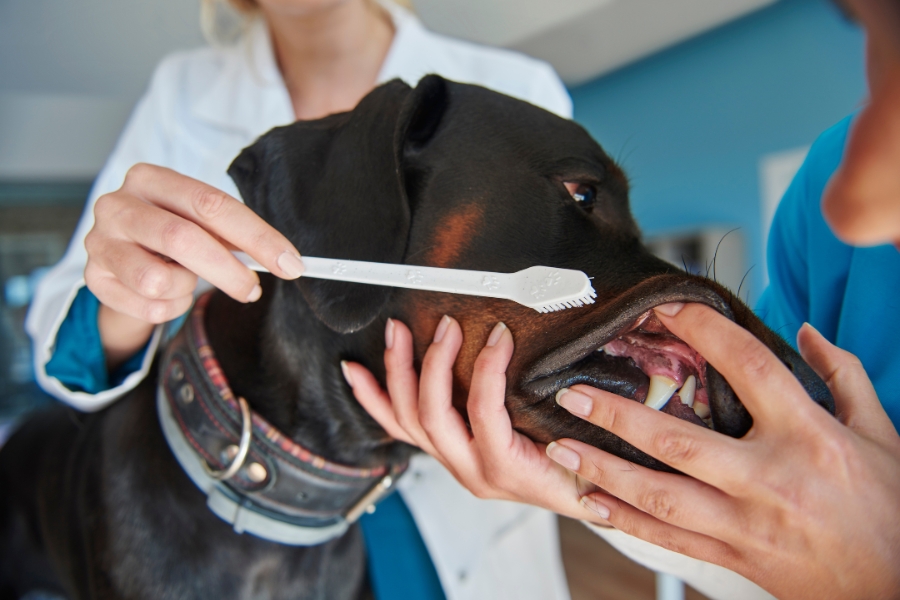
Maintaining your dog’s oral health is just as important as taking care of their physical health. Poor dental hygiene can lead to plaque buildup, gum disease, and even more serious issues like heart or kidney problems. While regular vet check-ups and dental cleanings are essential, brushing your dog’s teeth at home is one of the most effective ways to prevent dental diseases and ensure their overall health.
For pet owners in Levittown, NY, learning how to properly brush your dog’s teeth is an essential part of responsible pet ownership. In this post, we’ll guide you through the process, from selecting the right tools to ensuring your dog enjoys the experience.
Why Dog Dental Care Matters
Just like humans, dogs need proper dental care to maintain healthy teeth and gums. Dog dental care is not only about preventing bad breath; it’s crucial for their long-term health. Without regular brushing, plaque builds up and can eventually turn into tartar, leading to gum infections, tooth decay, and even tooth loss.
In addition to the physical effects, poor oral health can lead to systemic health issues. Bacteria from the mouth can enter the bloodstream and affect organs like the heart and kidneys. This is why incorporating regular brushing into your dog’s routine is vital for their health and well-being.
Choosing the Right Tools for Brushing Your Dog’s Teeth
Before you start brushing, it’s important to have the right tools. Using the wrong equipment can make the process uncomfortable for your dog, which might cause them to resist future brushing sessions.
1. Toothbrush
The first step is selecting the right toothbrush. There are special dog toothbrushes available that are designed to fit your dog’s mouth. These brushes are often angled to make it easier to reach the back teeth. If your dog is sensitive to a traditional toothbrush, you can also try a finger brush, which fits over your finger and is less intimidating.
2. Toothpaste for Dogs
Never use human toothpaste on your dog. Human toothpaste contains ingredients like fluoride that are harmful to dogs if swallowed. Instead, use a dog-specific toothpaste, which comes in flavors like peanut butter, poultry, and even beef. This makes brushing more enjoyable for your dog and helps them associate the process with positive experiences.
3. Dental Chews and Sprays
While they don’t replace brushing, dental chews and sprays can help supplement your dog’s oral care routine. Dental chews can assist with tartar removal, while sprays can help freshen your dog’s breath and keep their mouth clean between brushing sessions.
Step-by-Step Guide to Brushing Your Dog’s Teeth
1. Create a Calm Environment
Start by selecting a quiet, calm area where your dog feels comfortable. The process of brushing their teeth can be overwhelming for some dogs, so it’s important to maintain a stress-free environment. Speak softly to your dog and move slowly. Consider brushing their teeth after a walk or playtime when they’re naturally more relaxed.
2. Get Your Dog Used to Mouth Touching
Before introducing the toothbrush, spend some time gently handling your dog’s mouth and gums. Rub your finger along their teeth and gums, allowing them to get used to the sensation. Do this for a few days until your dog becomes more comfortable with you touching their mouth.
3. Introduce the Toothbrush and Toothpaste
Once your dog is comfortable with you touching their gums, it’s time to introduce the toothbrush. Let your dog sniff the toothbrush and taste the dog-friendly toothpaste. If they seem hesitant, try applying some toothpaste to your finger first, allowing your dog to lick it off. This helps them associate the toothpaste with something positive.
4. Start Brushing Gently
Now it’s time to begin brushing. Start with a small amount of toothpaste on the toothbrush and gently brush your dog’s teeth using circular motions. Focus on the outside surfaces of their teeth, where plaque tends to accumulate. Be sure to avoid forcing the brush into their mouth—brushing should be gentle and comfortable for your dog.
Work slowly, brushing only a few teeth at first. Gradually increase the number of teeth and the length of the brushing session as your dog becomes more accustomed to the process.
5. Praise and Reward
After you finish brushing, always end the session with positive reinforcement. Praise your dog with kind words, pets, or a healthy treat. This helps create a positive association with tooth brushing, which will make them more likely to cooperate in the future.
Tips for Successful Brushing Sessions
1. Be Consistent
Consistency is key when it comes to brushing your dog’s teeth. Aim to brush their teeth at least 2-3 times per week. If possible, daily brushing will provide the best results. The more often you brush, the better your dog’s oral health will be.
2. Keep Sessions Short
Especially in the beginning, keep brushing sessions short—aim for 30 seconds to 1 minute per session. Gradually increase the time as your dog becomes more comfortable. Short sessions prevent both you and your dog from becoming frustrated.
3. Use Positive Reinforcement
Always use praise, treats, or affection to reward your dog after brushing. This reinforces the behavior and encourages your dog to cooperate with future brushing sessions.
4. Monitor Your Dog’s Oral Health
Even with regular brushing, it’s important to monitor your dog’s oral health for signs of issues such as bad breath, gum inflammation, or tartar buildup. If you notice any of these symptoms, schedule a visit with your veterinarian for a professional cleaning and examination.
5. Try Different Toothbrushes
Not all dogs respond well to traditional toothbrushes. Some dogs prefer finger brushes, which are less intimidating and easier to use. Experiment with different brushes to find the one that works best for your dog.
Brushing your dog’s teeth is an essential part of dog dental care that contributes significantly to their overall health. Regular brushing helps prevent dental disease, freshens their breath, and keeps their mouth healthy. By choosing the right tools, introducing brushing gradually, and maintaining a consistent routine, you can make dental care a stress-free habit for both you and your dog.
If you are in Levittown, NY, and looking for dog dental care, book an appointment with Levittown Animal Hospital. Our veterinary team is here to guide you through the process and provide professional care for your dog’s teeth.
FAQs
Q1. How often should I brush my dog’s teeth?
Ans. Ideally, you should brush your dog’s teeth 2-3 times per week. Daily brushing is even better for maintaining oral health.
Q2. Can I use human toothpaste for my dog?
Ans. No, human toothpaste contains ingredients like fluoride that can be toxic to dogs. Always use toothpaste specifically made for dogs.
Q3. What if my dog doesn’t like having their teeth brushed?
Ans. Start by getting your dog used to having their mouth touched and gradually introduce the toothpaste. Be patient and offer rewards for calm behavior.
Q4. Are dental chews enough to keep my dog’s teeth clean?
Ans. Dental chews can help reduce tartar buildup, but they are not a substitute for regular brushing. Brushing is necessary for comprehensive dental care.
Q5. What are the signs of dental disease in dogs?
Ans. Signs include bad breath, red or bleeding gums, difficulty eating, drooling, and loose or missing teeth. If you notice any of these, consult your vet.
Q6. Can puppies have their teeth brushed?
Ans. Yes, it’s a good idea to start brushing your puppy’s teeth early to get them used to the process and maintain their dental health as they grow.