We’re excited to meet you! New clients receive their first pet exam for just $37



How to Spot Early Signs of Dental Disease in Pets

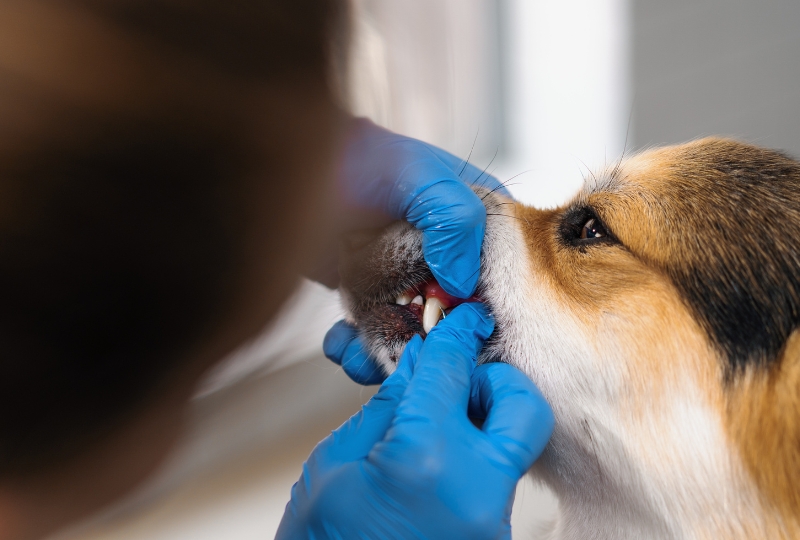
Dental health is an essential part of your pet’s overall well-being, yet many pet owners overlook it. Just like humans, pets can suffer from dental diseases that can cause significant pain, discomfort, and long-term health issues if left untreated. Recognizing the early signs of dental disease in pets can make all the difference in preventing serious problems. In this blog, we’ll walk you through how to spot the early warning signs and take the necessary steps to ensure your furry friend’s smile stays bright and healthy.
What is Dental Disease in Pets?
Dental disease in pets typically refers to periodontal disease, an infection of the tissues that support your pet’s teeth. It is the most common health issue diagnosed in pets, especially dogs and cats. When plaque builds up on your pet’s teeth, it can lead to tartar, which leads to inflammation of the gums. If untreated, this can result in gum recession, tooth loss, and even infections that can spread throughout your pet’s body.
Signs of Early Dental Disease in Pets
- Bad Breath (Halitosis)
One of the most noticeable early signs of dental disease in pets is bad breath. While it’s normal for pets to have a mild scent, persistent foul breath is usually an indication of an underlying issue. If your pet’s breath smells stronger or more unpleasant than usual, it could be a sign of dental disease, often caused by plaque buildup or gingivitis. - Red or Bleeding Gums
If you notice your pet’s gums are red, swollen, or bleeding, it’s a clear indication that something is wrong. Gingivitis, the early stage of gum disease, can cause this irritation. If your pet’s gums appear inflamed or you notice blood in their food or water, take it as a serious sign to seek veterinary care immediately. - Excessive Drooling or Pawing at the Mouth
While some drooling is normal, excessive drooling can indicate oral pain or discomfort. Pets with dental disease often experience difficulty eating, chewing, or even swallowing, leading to drooling. Additionally, pawing at the mouth or face can signal that your pet is trying to alleviate discomfort in their mouth. - Difficulty Eating or Chewing
If your pet begins to shy away from their food or has difficulty chewing, it could be because they’re experiencing tooth pain or discomfort. Pets with dental issues may prefer soft food or refuse to eat at all due to the discomfort caused by chewing. If your pet is suddenly avoiding their favorite hard treats or toys, it’s time to take a closer look at their dental health. - Tartar or Plaque Buildup
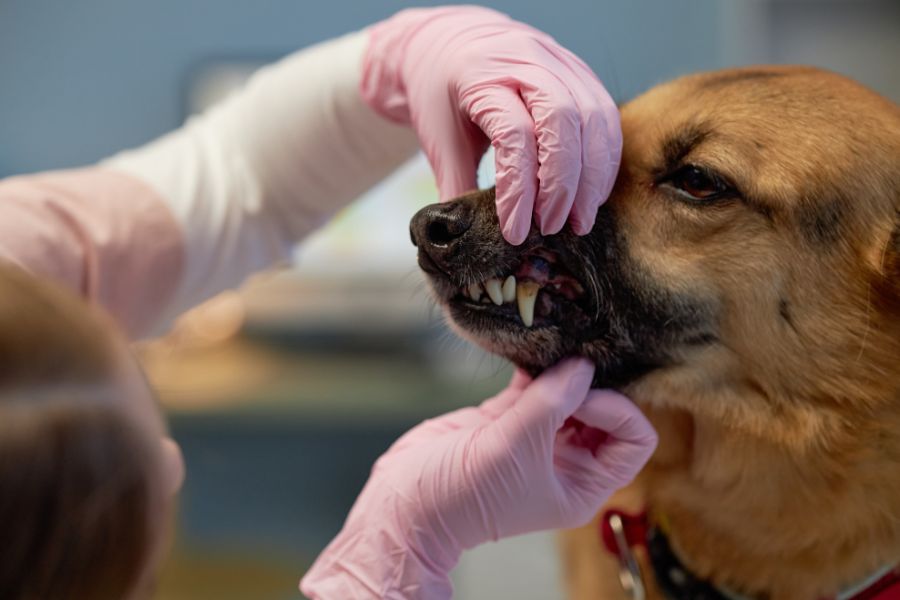
Plaque and tartar buildup on your pet’s teeth can become visible over time. Tartar appears as a yellow or brownish deposit around the base of their teeth, particularly along the gumline. If left unchecked, this hard buildup can worsen the condition of your pet’s teeth and lead to gum disease, abscesses, or tooth loss. - Behavioral Changes
Sometimes, changes in behavior can indicate pain caused by dental disease. Pets in discomfort may become irritable, less active, or withdrawn. If your pet suddenly becomes lethargic or avoids activities they usually enjoy, it might be related to an undiagnosed dental issue.
How to Prevent Dental Disease in Pets
Prevention is key when it comes to your pet’s dental health. Here are a few proactive steps you can take to help prevent dental disease:
- Regular Brushing
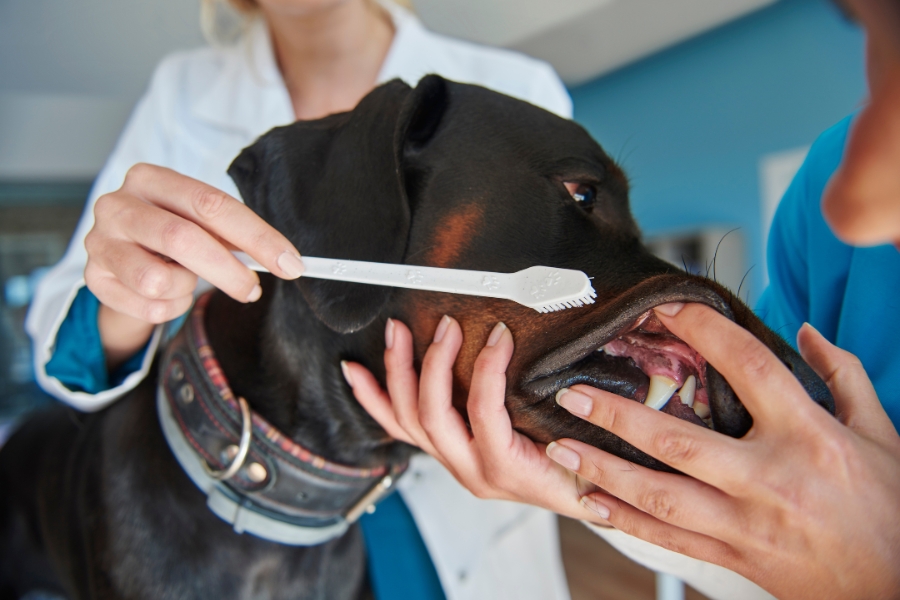
Just like humans, pets need their teeth brushed regularly. Use a toothbrush and toothpaste designed for pets, and aim to brush their teeth several times a week. This simple step can significantly reduce plaque buildup and help keep your pet’s teeth and gums healthy. - Chew Toys and Dental Treats
Providing chew toys and dental treats specifically designed to promote dental health can help keep your pet’s teeth clean. These items help to remove plaque and tartar as your pet chews, promoting better oral hygiene. - Routine Vet Checkups
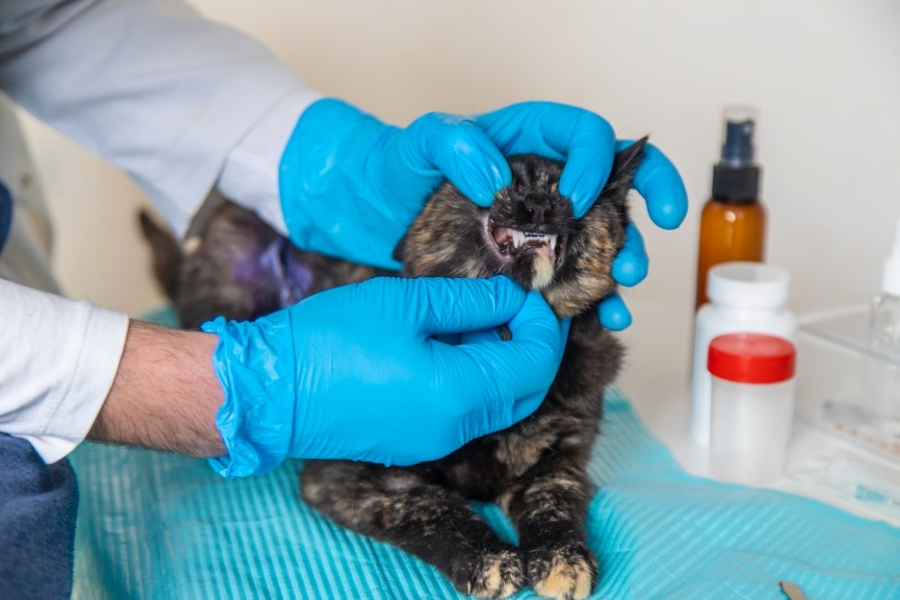
Scheduling regular veterinary checkups is essential for detecting dental issues early. A vet will perform a thorough oral examination during routine visits, catching any signs of dental disease before they become severe. Early intervention is crucial in preventing further complications. - Professional Dental Cleanings
Just like humans, pets benefit from professional dental cleanings. These cleanings allow a veterinarian to remove tartar and plaque that brushing alone cannot eliminate. Depending on your pet’s age and risk factors, professional cleanings should be done at least once a year.
When to Visit a Vet
If you notice any of the signs of dental disease mentioned above, don’t wait for the condition to worsen. Schedule an appointment with your vet as soon as possible. Early intervention is always the best approach to prevent further complications, including infections, tooth loss, and chronic pain.
Spotting the early signs of dental disease in pets is essential for maintaining their overall health and comfort. By being proactive and vigilant about your pet’s oral hygiene, you can help prevent serious dental issues from developing. Remember, regular brushing, professional cleanings, and routine checkups are key to ensuring your pet’s teeth stay strong and healthy. If you notice any signs of dental disease in your pet, don’t hesitate to seek professional help.
For comprehensive pet dental services in Levittown, NY, contact us today and ensure your pet’s smile stays as bright as ever!
FAQs
Q1. What are the signs of dental disease in pets?
Ans. Bad breath, red or bleeding gums, difficulty eating, excessive drooling, and visible plaque or tartar buildup are common signs of dental disease in pets.
Q2. How can I prevent dental disease in my pet?
Ans. Regular brushing, providing dental treats and chew toys, and scheduling professional cleanings are all effective ways to prevent dental disease in pets.
Q3. Is bad breath normal for pets?
Ans. A mild odor is normal, but persistent foul-smelling breath is often a sign of dental disease or other health issues.
Q4. How often should I brush my pet’s teeth?
Ans. Aim to brush your pet’s teeth at least a few times a week to help prevent plaque buildup and keep their mouth healthy.
Q5. What should I do if my pet is pawing at its mouth?
Ans. Pawing at the mouth can indicate oral discomfort. If your pet is showing this behavior, schedule a vet appointment to check for dental issues.
Q6. Why is professional dental cleaning necessary for pets?
Ans. Professional cleanings help remove tartar and plaque buildup that regular brushing can’t reach, preventing further dental issues such as gum disease and tooth loss.