We’re excited to meet you! New clients receive their first pet exam for just $37



How Senior Pet Exams Can Help Manage Age-Related Conditions

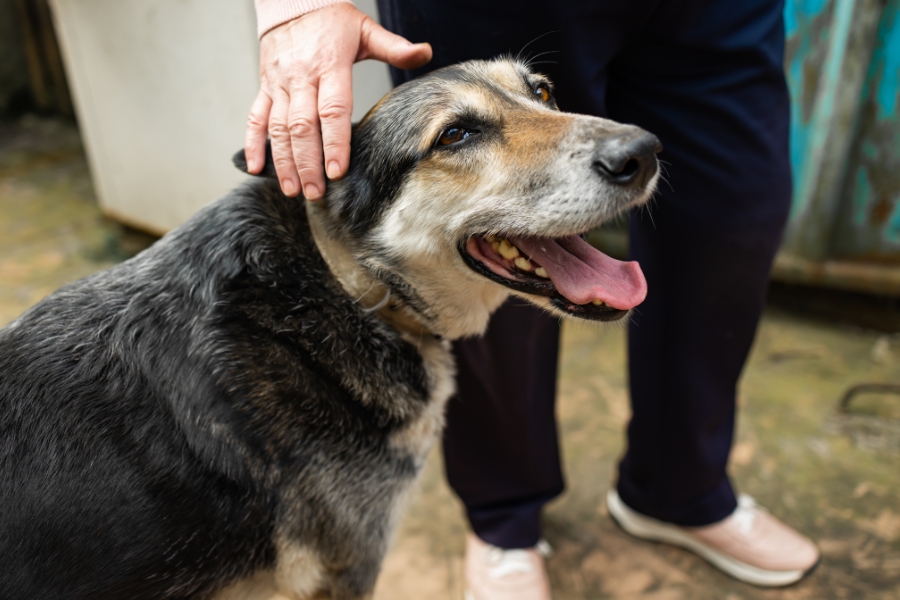
As your pet enters their golden years, you may notice changes in their energy levels, behavior, and overall health. While aging is a natural part of life, some of the health conditions your pet faces can be managed or prevented with the right care. Regular pet exams are a crucial part of this care. These exams allow veterinarians to detect early signs of age-related conditions, helping you maintain your pet’s health and quality of life for as long as possible.
This blog is especially for pet owners in Levittown, NY, who want to learn how senior pet exams can help manage age-related conditions. We’ll dive into the importance of these exams, the conditions they can identify, and how regular checkups are essential for maintaining your pet’s well-being. Keep reading to discover how aging pet exams can make a positive impact on your furry companion’s life.
Why Senior Pet Exams are Essential for Your Furry Friend
Senior pets, typically those over 7 years old, are at a higher risk of developing various age-related health conditions. Arthritis, heart disease, kidney issues, and dental disease are just a few examples of conditions that become more common with age. Regular aging pet exams are essential for catching these conditions early, so they can be managed effectively before they cause significant pain or discomfort.
Regular checkups allow your veterinarian to monitor changes in your pet’s health over time, identify potential issues before they become serious, and develop a care plan to address your pet’s unique needs as they age. These exams help keep your pet comfortable, healthy, and active, ensuring they enjoy their later years to the fullest.
What Happens During a Senior Pet Exam?
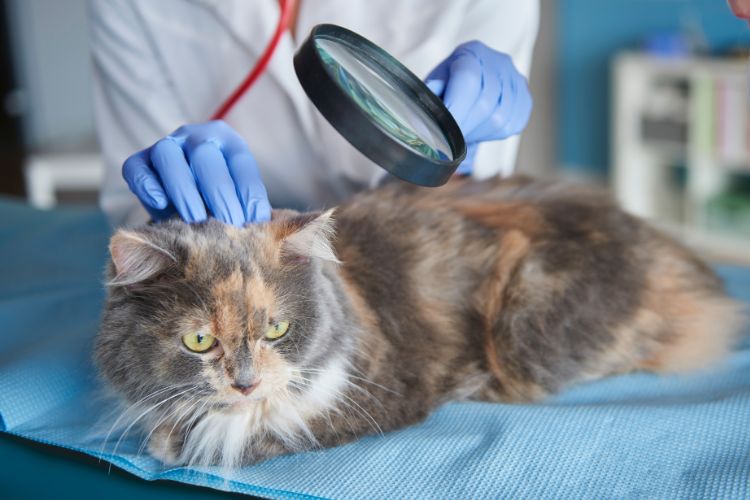
During a senior pet exam, your veterinarian will conduct a thorough physical examination and may recommend a variety of tests to assess your pet’s health. These tests can include blood work, urinalysis, and X-rays, among others. The goal is to get a comprehensive picture of your pet’s health to catch any potential issues early.
The veterinarian will also discuss your pet’s diet, exercise routine, and behavior. Older pets often experience changes in appetite, weight, and activity levels, and addressing them early can make a big difference in their health.
Common Age-Related Conditions in Pets
1. Arthritis and Joint Pain
Arthritis is one of the most common age-related conditions in aging pets. It can cause significant pain, stiffness, and decreased mobility, making it difficult for your pet to enjoy their usual activities. Senior pet care allows your vet to assess your pet’s joints for signs of arthritis, such as inflammation or reduced range of motion.
If arthritis is detected, your veterinarian can recommend a treatment plan that may include medication, joint supplements, and adjustments to your pet’s exercise routine to keep them comfortable and mobile.
2. Heart Disease
As pets age, they may develop heart conditions such as a heart murmur or heart failure. Regular exams allow your veterinarian to listen for heart murmurs, check for signs of fluid retention, and monitor blood pressure, all of which are important for detecting early-stage heart disease.
If heart disease is suspected, your vet may recommend further testing, such as an echocardiogram or electrocardiogram (EKG), to determine the severity and guide treatment options.
3. Kidney Disease
Kidney disease is another common condition in older pets, particularly in cats and large-breed dogs. Symptoms of kidney disease can include increased thirst, urination, and weight loss. However, these signs may not be noticeable until the condition has progressed.
During a senior pet exam, your veterinarian will monitor your pet’s kidney function through blood and urine tests. If kidney disease is detected early, your vet can recommend a treatment plan to slow its progression and help your pet maintain a good quality of life.
4. Dental Disease
Dental disease is prevalent in aging pets and can lead to painful conditions like periodontal disease, tooth decay, and infections. During a vet exam, your veterinarian will examine your pet’s teeth and gums for signs of infection, tartar buildup, or loose teeth.
If dental disease is present, your vet may recommend a professional cleaning or other dental treatments to address the issue. Regular dental care at home, including brushing your pet’s teeth, can also help maintain oral health.
How Senior Pet Exams Help Manage Health Conditions
1. Early Detection
Early detection is key to managing many age-related conditions. During an exam, your veterinarian can identify issues before they become severe. For example, catching heart disease early allows for early intervention with medications or lifestyle changes to improve your pet’s quality of life.
Early detection of arthritis can lead to prompt pain management, while early treatment of kidney disease can help slow down its progression, allowing your pet to remain active and healthy.
2. Customized Care Plans
Every aging pet is different, and their health needs will vary. Regular exams allow your veterinarian to develop customized care plans based on your pet’s specific needs. These plans may include changes to their diet, exercise, medications, and even home care routines.
For example, a pet with arthritis may benefit from joint supplements and a low-impact exercise plan. In contrast, a pet with kidney disease may need a special diet and additional hydration. With a personalized care plan, you can help manage your pet’s health more effectively and keep them comfortable as they age.
3. Pain Management
As pets age, pain management becomes an important aspect of their care. Many aging pets suffer from arthritis, dental problems, or other conditions that cause chronic pain. Regular veterinary exams allow your veterinarian to assess your pet’s pain levels and recommend appropriate treatments, such as pain-relieving medications or physical therapy.
Managing pain effectively can significantly improve your pet’s quality of life, allowing them to stay active and engaged in their daily activities.
Long-Term Benefits of Regular Senior Pet Exams
1. Improved Quality of Life
The most significant benefit of regular senior pet exams is the improvement in your pet’s quality of life. By detecting and addressing age-related health conditions early, you can help your pet live comfortably and happily well into their senior years.
Veterinary exams provide a comprehensive look at your pet’s health, allowing your vet to offer treatments and recommendations that can help your pet maintain their energy, mobility, and overall well-being.
2. Peace of Mind for Pet Owners
Regular pet exams give you peace of mind, knowing that a professional is monitoring your pet’s health. You can rest assured that you’re doing everything possible to ensure your pet lives a long, healthy life.
Having a trusted veterinarian on your team also allows you to address any questions or concerns about your pet’s health, providing the guidance and support you need as your pet ages.
3. Prevention of Serious Complications
By identifying and addressing health conditions early, senior pet exams help prevent complications that can arise from untreated diseases. For instance, early treatment of heart disease can prevent heart failure, and early management of kidney disease can prevent kidney failure.
Preventing serious complications can help extend your pet’s life and ensure they remain healthy and comfortable for as long as possible.
Regular Senior Pet Exams are Key to Senior Pet Health
Regular senior pet exams are an essential part of maintaining your pet’s health as they age. These exams help detect early signs of age-related conditions such as arthritis, heart disease, and kidney issues, allowing for early intervention and effective management. With the right care, older pets can continue to live happy, healthy, and comfortable lives.
If you’re in Levittown and it’s time for your senior pet’s checkup, schedule an appointment with Levittown Animal Hospital. Our team is dedicated to ensuring your pet’s health and comfort through regular exams and personalized care. Contact us today for your senior pet and ensure they receive the care they deserve.
Frequently Asked Questions
Q1: How often should I take my senior pet for a checkup?
It’s recommended to take older pets for checkups at least twice a year, as their health can change more rapidly with age.
Q2: What happens during a senior pet exam?
A senior pet exam includes a thorough physical checkup, blood work, urine tests, and possibly X-rays to assess your pet’s health and detect age-related conditions early.
Q3: How can I help my senior pet with arthritis?
Your vet may recommend pain-relief medications, joint supplements, and a modified exercise routine to help manage arthritis in your aging pet.
Q4: What are the signs of heart disease in senior pets?
Signs may include coughing, difficulty breathing, lethargy, and decreased activity. If you notice these signs, consult your vet.
Q5: Can senior pet exams prevent health issues?
Yes, regular senior pet exams allow for early detection and treatment of potential health issues, helping to prevent them from becoming serious problems.
Q6: How can I manage my senior pet’s kidney disease?
Your vet may recommend a special diet, increased water intake, and medications to help manage kidney disease in senior pets.