We’re excited to meet you! New clients receive their first pet exam for just $37



How to Improve Your Senior Dog’s Quality of Life

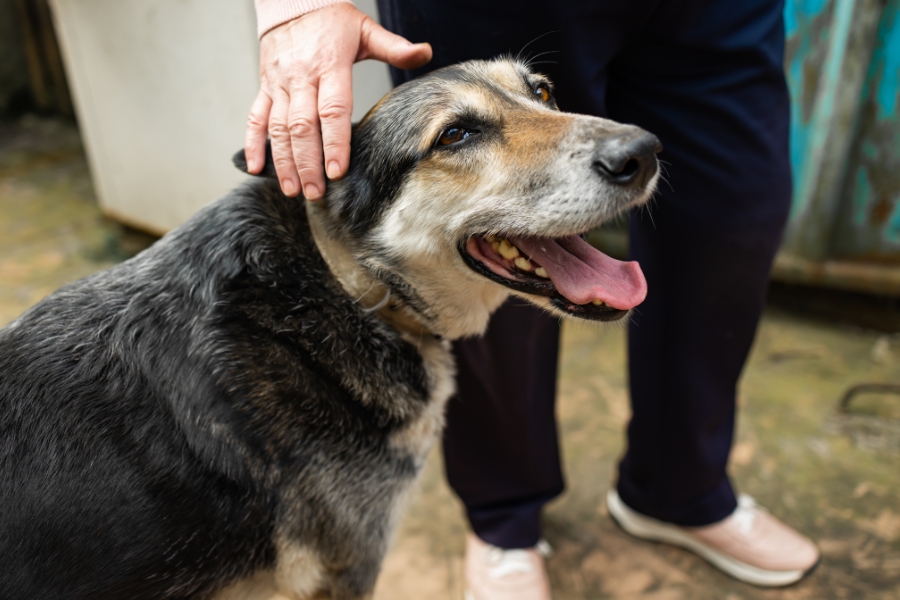
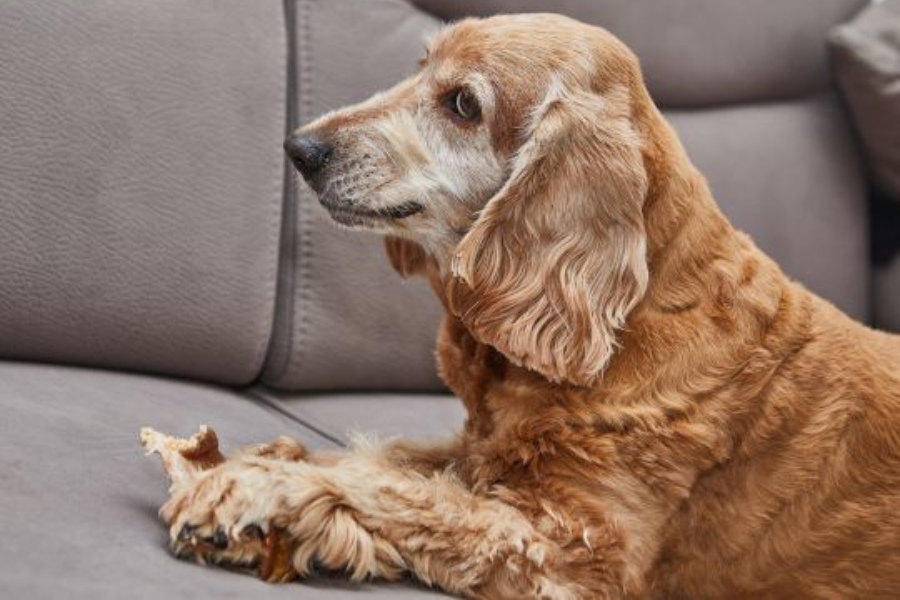
As dogs age, their needs change. Just like us, senior dogs may experience physical and mental challenges, but with proper care, they can live fulfilling, comfortable lives. Senior dog care is about more than just keeping your dog healthy—it’s about enhancing their quality of life in their golden years. By making a few adjustments to their routine, diet, and environment, you can help your senior dog stay happy, active, and comfortable.
In Levittown, NY, many dog owners are looking for ways to provide the best care for their aging pets. Whether your dog is starting to show signs of aging or you’re just looking for proactive steps, this blog will guide you through the essential aspects of senior dog care and how to improve their quality of life as they grow older.
Understanding Your Senior Dog’s Needs
As your dog enters their senior years, they may face health challenges such as arthritis, weight gain, vision or hearing loss, and cognitive dysfunction. Their energy levels may decrease, and they may not be as active as they once were. However, just because a dog is getting older doesn’t mean their life can’t be rich and joyful. With the right care, senior dogs can remain active, engaged, and in good health for many years.
The first step to improving your senior dog’s quality of life is understanding their specific needs. This involves regular veterinary check-ups, changes in their diet, and incorporating physical and mental activities into their routine.
1. Regular Vet Check-Ups and Senior Dog Care
Senior dogs require more frequent vet visits compared to younger dogs. Regular check-ups allow your vet to monitor your pet’s health and catch any potential issues early. These visits typically include:
- Comprehensive physical exams to check for arthritis, heart disease, or tumors.
- Blood work and urine tests to monitor kidney, liver, and thyroid function.
- Vaccination updates to ensure that your dog stays protected against diseases.
- Dental care checks to prevent periodontal disease, which is common in older dogs.
Incorporating these check-ups into your dog’s routine ensures they receive the right care tailored to their age and health condition. Moreover, your vet may offer advice on specific aspects of senior dog care, such as joint health supplements or specialized diets.
2. Diet Adjustments for Senior Dogs
As your dog ages, their dietary needs will evolve. Senior dogs may require fewer calories, but they still need nutrient-rich food to support their overall health. A balanced diet tailored to your senior dog’s specific health conditions can significantly improve their quality of life.
Consider these dietary adjustments:
- Senior Dog Food: Choose dog food designed for seniors, which often contains fewer calories and added joint supplements like glucosamine and chondroitin.
- Portion Control: Keep an eye on your dog’s weight. Obesity can exacerbate joint issues and lead to other health problems. If your dog is overweight, consult your vet for a weight management plan.
- Joint Support: If your dog suffers from arthritis or other joint problems, look for foods or supplements that promote joint health, such as omega-3 fatty acids and antioxidants.
- Hydration: Senior dogs are prone to dehydration, so always ensure that your dog has access to fresh water. Consider adding water or low-sodium broth to their meals to encourage hydration.
With the right nutrition, your senior dog can maintain a healthy weight, support their joints, and have more energy to engage in activities.
3. Physical Exercise and Mobility
Although your senior dog may not be as energetic as they once were, physical exercise remains crucial for maintaining their health and well-being. Regular, low-impact exercise helps improve joint mobility, keeps muscles strong, and can prevent obesity.
Here are a few tips to keep your senior dog active:
- Shorter, Frequent Walks: Instead of long walks, take your dog on shorter, more frequent strolls. These shorter walks will help them stay active without overexerting themselves.
- Gentle Play: Engage in gentle play, such as tug-of-war or fetch, but avoid activities that require too much jumping or running. Swimming is also an excellent exercise for senior dogs, as it’s easy on the joints.
- Mobility Aids: If your dog suffers from arthritis or mobility issues, consider getting a ramp or stairs to help them get onto the couch or bed. You can also try orthopedic beds that support their joints.
By maintaining a consistent and appropriate exercise routine, your dog can stay limber and reduce the discomfort that often accompanies aging.
4. Mental Stimulation for Senior Dogs
Aging dogs may also experience cognitive dysfunction, similar to dementia in humans. Symptoms may include confusion, disorientation, or changes in behavior. To support your dog’s mental health, you should provide consistent mental stimulation.
Here are a few ways to engage your senior dog’s mind:
- Interactive Toys: Puzzle toys that challenge your dog to figure out how to get a treat can help keep their brain active.
- Training Sessions: While your dog may not learn new tricks as easily as before, basic obedience training can still provide mental stimulation and reinforce positive behaviors.
- Socialization: Keep your dog socially engaged with other dogs and people. If your dog is comfortable, regular social interactions can prevent isolation and anxiety.
Mental stimulation is vital to help your senior dog maintain cognitive function and avoid behavioral decline.
5. Create a Comfortable Living Environment
Your dog’s living space should be adjusted to meet their changing needs. Here are a few tips to make their environment more comfortable:
- Orthopedic Bedding: Senior dogs are more likely to suffer from joint pain. Providing them with an orthopedic bed that cushions their joints can make a big difference in their comfort.
- Easy Access: As your dog’s mobility decreases, help them access their favorite spots by adding ramps or low steps. Ensure they have easy access to food, water, and their resting area.
- Safe, Quiet Space: Older dogs may need more quiet time to rest. Create a designated, quiet space where your dog can retreat when they need downtime.
- Temperature Control: Senior dogs may have trouble regulating their body temperature. Keep their environment comfortable and avoid exposing them to extreme cold or heat.
A few thoughtful adjustments to their living space can significantly improve your dog’s comfort and well-being.
6. Routine Veterinary Care and Preventive Measures
As part of senior dog care, it’s essential to continue regular veterinary check-ups and address any health concerns promptly. Preventive measures such as vaccinations, flea control, and regular dental care are important at every stage of your dog’s life, but become especially crucial as they age.
Providing senior dog care requires dedication and understanding. By adjusting your senior dog’s diet, exercise routine, and living environment, you can significantly enhance their quality of life during their golden years. Regular veterinary check-ups, physical activity, and mental stimulation are key to ensuring that your dog remains happy, healthy, and comfortable as they age.
If you are in Levittown, NY, and looking for senior cat care, book an appointment with Levittown Animal Hospital. Our veterinary team is here to provide personalized care and support for your senior pet.
FAQs
Q1. What are the signs that my dog is becoming a senior?
Ans. Senior dogs may show signs such as slower movement, changes in appetite, vision, or hearing loss, and more frequent sleeping. Regular vet visits can help track these changes.
Q2. How can I help my senior dog with arthritis?
Ans. Provide joint supplements, use orthopedic beds, and offer gentle exercise like swimming or short walks to help ease discomfort.
Q3. Is it normal for senior dogs to sleep more?
Ans. Yes, it’s common for senior dogs to sleep more as they age. However, if your dog seems excessively lethargic, consult with your vet.
Q4. What is the best food for a senior dog?
Ans. Senior dog food is specially formulated with lower calories and added joint support. Look for food that contains glucosamine and omega-3 fatty acids.
Q5. Can senior dogs still learn new tricks?
Ans. While they may not learn as quickly as they did as puppies, senior dogs can still benefit from training and mental stimulation.
Q6. How often should I take my senior dog to the vet?
Ans. Senior dogs should see the vet at least once every 6 months for regular check-ups and preventive care.