We’re excited to meet you! New clients receive their first pet exam for just $37



Senior Dog Care: What You Need To Know

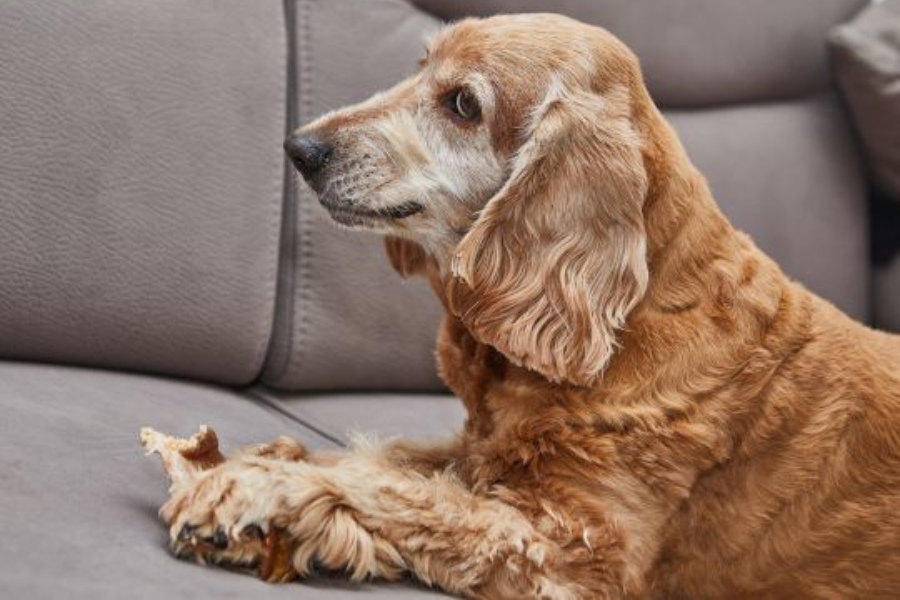
As your dog ages, their needs change—sometimes gradually, sometimes suddenly. Senior dogs often require extra attention, care, and love to enjoy a happy, comfortable life. Whether you’ve raised your furry friend since puppyhood or adopted them in their golden years, understanding the basics of senior dog care can make a world of difference.
In this guide, we’ll explore everything you need to know to care for your aging dog with confidence and compassion.
???? When Is a Dog Considered a Senior?
The age at which a dog is considered “senior” varies depending on their breed and size. Generally:
- Small dogs become seniors around 10-12 years old.
- Medium dogs reach senior status at about 8-10 years.
- Large or giant breeds are considered seniors as early as 6-7 years old.
Even if your dog still seems energetic, internal changes may already be occurring. Therefore, regular veterinary care becomes even more crucial during this stage of life.
???? Nutrition: Adjusting Their Diet
One of the first aspects of senior dog care to consider is nutrition. Aging dogs have different dietary needs than younger dogs. As their metabolism slows, their calorie requirements often decrease.
Tips for feeding senior dogs:
- Choose a senior-specific formula: These are designed with lower calories, joint-supporting nutrients like glucosamine, and easier digestibility.
- Add supplements: Omega-3 fatty acids, antioxidants, and probiotics can support joint health, cognitive function, and digestion.
- Monitor weight closely: Obesity can lead to arthritis, diabetes, and other health issues. Regularly check your dog’s weight and adjust portions accordingly.
???? Regular Veterinary Visits Are Critical
As dogs age, routine vet checkups should increase from once a year to every six months. Early detection of issues such as arthritis, kidney disease, or dental problems can lead to more effective treatments.
What to expect at senior checkups:
- Blood tests to assess organ function
- Dental exams
- Weight and mobility assessments
- Vaccination updates if necessary
Your vet may also recommend more frequent lab work depending on your dog’s health history.
???? Joint and Mobility Support
Senior dogs often suffer from joint stiffness and arthritis, making movement painful. However, inactivity can worsen the problem.
Here’s how you can help:
- Provide orthopedic bedding to reduce pressure on joints
- Use ramps or stairs to help your dog access furniture or the car
- Offer joint supplements like glucosamine and chondroitin
- Schedule light, regular exercise such as short walks or gentle play
Never push your dog to overexert themselves. Pay close attention to signs of discomfort, including limping or reluctance to move.
???? Cognitive Health: Mental Stimulation Is Key
Just like people, dogs can experience cognitive decline with age. This may present as disorientation, increased anxiety, disrupted sleep, or forgetting commands.
Combat cognitive decline by:
- Engaging your dog with puzzle toys and brain games
- Maintaining a predictable daily routine
- Offering positive reinforcement training even in later years
In some cases, your vet might recommend medications or supplements to support brain health.
???? Emotional Well-being and Quality Time
Senior dogs may become more sensitive or anxious. Some might crave more attention, while others may prefer alone time.
To keep your senior dog emotionally balanced:
- Provide a calm, safe environment
- Groom them regularly for comfort and bonding
- Watch for signs of depression or withdrawal
- Stick to a consistent routine to reduce stress
Spending quality time together not only supports your dog’s mental health but also strengthens the bond you’ve built over the years.
???? Make Your Home Senior-Dog Friendly
As dogs age, they may lose some of their vision or hearing. Creating a safe and comfortable home environment is essential.
Simple modifications include:
- Placing non-slip rugs on slippery floors
- Keeping food and water dishes easily accessible
- Blocking off stairs if mobility becomes an issue
- Using night lights if your dog has vision issues
These changes can help prevent injury and reduce stress for your aging pet.
As your beloved dog enters their golden years, taking the right steps becomes even more important. If you’re looking for expert senior dog care in Levittown, NY, be sure to connect with a trusted local veterinarian who understands the unique needs of aging pets. From nutritional guidance to mobility support, your senior dog deserves a tailored care plan that keeps them healthy, active, and loved.
Investing in your senior dog’s well-being today ensures more happy, tail-wagging tomorrows.