We’re excited to meet you! New clients receive their first pet exam for just $37



How to Keep Your Pet’s Teeth Clean & Strong: A Simple Guide


When it comes to pet health, dental care is often overlooked. However, clean, strong teeth are essential for your pet’s overall well-being. Left untreated, dental problems can lead to pain, infections, and even heart or kidney issues. Fortunately, with a few simple habits and regular care, you can keep your pet’s teeth healthy for years to come.
In this easy-to-follow guide, we’ll explore the most effective ways to maintain your pet’s dental hygiene – without stress or confusion.
1. Brush Their Teeth Regularly
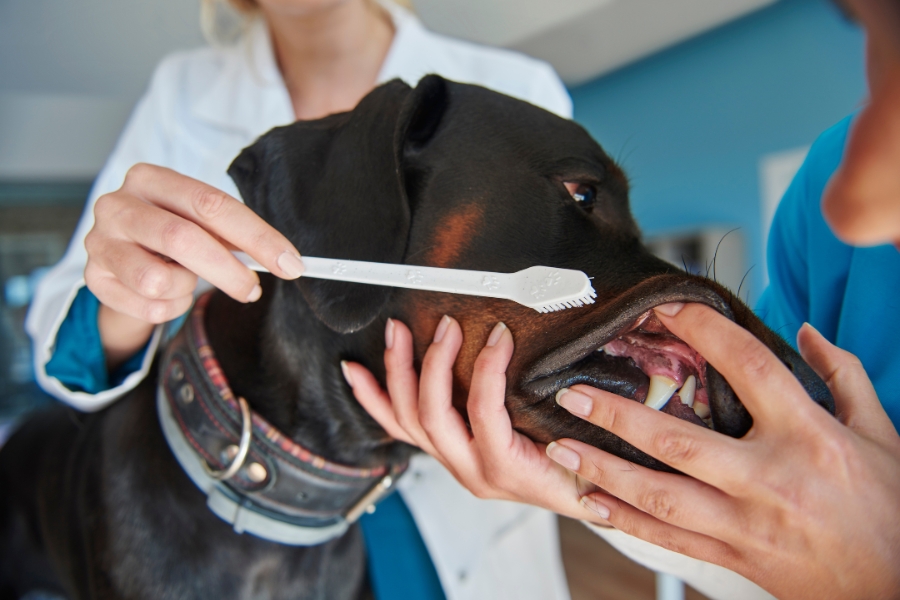
First and foremost, brushing is the gold standard for pet dental care. Use a pet-safe toothbrush and toothpaste—never human toothpaste, as it contains xylitol, which is toxic to pets.
Start slowly. Let your pet sniff and taste the toothpaste before gradually introducing brushing. Aim for at least 2–3 times per week. Over time, your pet will get used to the routine, and you’ll reduce plaque and tartar buildup significantly.
2. Use Dental Chews and Toys
In addition to brushing, dental chews can be a powerful ally in keeping teeth clean. These specially designed treats help remove food particles and plaque through chewing.
Moreover, many dental chews contain enzymes that fight bacteria. Choose chews approved by the VOHC (Veterinary Oral Health Council) for safety and effectiveness. Offering these a few times a week adds variety and keeps your pet’s mouth cleaner.
3. Use Water Additives for Extra Protection
If your pet doesn’t tolerate brushing or chews, water additives can be a helpful alternative. Simply add the recommended amount to their water bowl daily. These products help freshen breath, reduce bacteria, and prevent plaque formation.
However, while water additives are convenient, they shouldn’t fully replace brushing or professional cleanings. Instead, use them as a supplemental tool in your overall routine.
4. Incorporate Dental Toys into Playtime
Toys aren’t just for fun—they can support dental health too. Rubber or textured toys can help massage the gums and scrape away plaque as your pet chews.
Look for durable toys made specifically for dental cleaning. Rotate them regularly to maintain your pet’s interest, and always supervise your pet during play to prevent accidental swallowing.
5. Feed a Dental-Friendly Diet
Nutrition plays a role in oral health. Some pet foods are designed to clean teeth as your pet eats. These kibbles often have a unique texture that helps scrub the teeth and prevent tartar buildup.
Consult your veterinarian before switching foods, especially if your pet has allergies or special dietary needs. A balanced, dental-friendly diet supports strong teeth and a healthier mouth.
6. Schedule Regular Dental Checkups
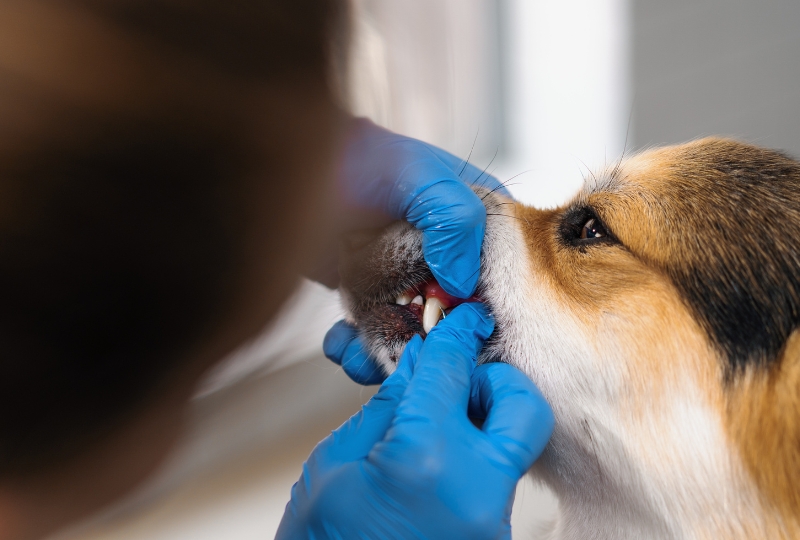
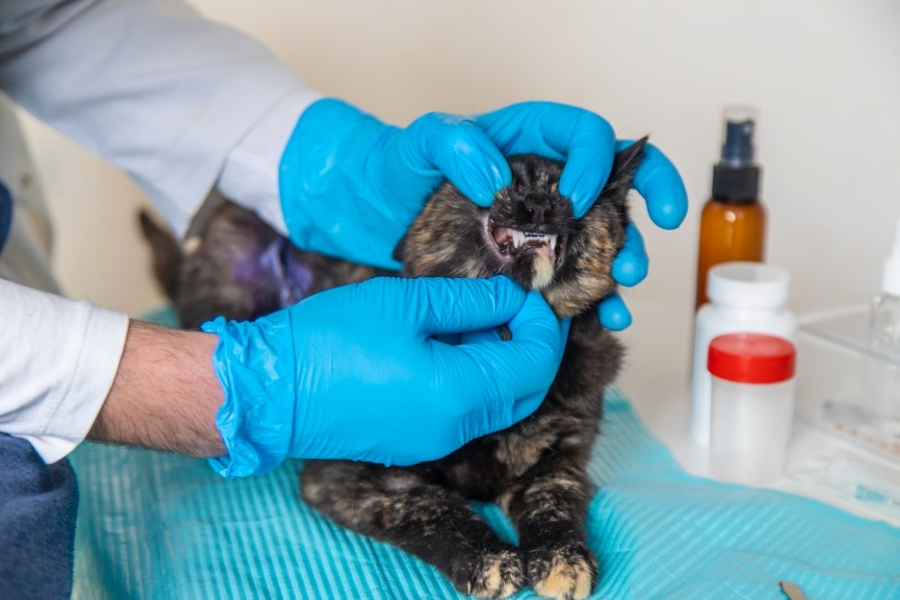
Even with the best home care, professional dental cleanings are essential. Your vet can assess oral health, check for signs of gum disease, and perform cleanings under anesthesia if needed.
Ideally, schedule a dental exam at least once a year. Early detection of dental issues leads to simpler treatments and better long-term outcomes. Plus, your vet may offer tips specific to your pet’s breed, age, or behavior.
Why Pet Dental Care Matters
Dental disease is one of the most common health issues in pets—yet it’s also one of the most preventable. Poor oral hygiene can lead to pain, tooth loss, and even damage to organs like the heart or kidneys.
By prioritizing dental care, you help your pet enjoy a longer, healthier life. A clean mouth improves appetite, energy, and even your pet’s mood. And it all starts with simple daily habits.
Caring for your pet’s teeth doesn’t need to be complicated. By brushing regularly, offering dental chews, using water additives, and scheduling yearly vet checkups, you set the foundation for a strong, healthy smile.
If you’re looking for expert pet dental services in Levittown, NY, your local veterinary clinic can help keep your furry friend’s teeth in top shape. A proactive approach today can prevent serious problems tomorrow.
FAQs
Q1. How often should I brush my pet’s teeth?
Ans. Ideally, aim to brush at least 2–3 times per week. Daily brushing offers the best protection against plaque and tartar.
Q2. Can I use human toothpaste on my pet?
Ans. No. Human toothpaste contains ingredients like xylitol that are toxic to pets. Always use pet-safe toothpaste.
Q3. Do dental chews replace brushing?
Ans. Dental chews help reduce plaque, but shouldn’t replace brushing. They work best as a supplement to regular brushing and vet cleanings.
Q4. What are the signs of dental problems in pets?
Ans. Look for bad breath, drooling, red or bleeding gums, trouble eating, or pawing at the mouth. These may signal dental disease.
Q5. How do I get my pet used to tooth brushing?
Ans. Start slow. Let them taste the toothpaste, then gently rub their teeth with your finger or a brush for a few seconds. Gradually increase time.
Q6. How often should my pet get a professional dental cleaning?
Ans. Once a year is standard, but some pets—especially seniors or small breeds—may need cleanings more frequently.