We’re excited to meet you! New clients receive their first pet exam for just $37



???? Why Diagnostic Testing is Essential for Your Pet’s Health

As a pet parent, your primary goal is to ensure your furry companion lives a long, healthy, and happy life. While regular check-ups, vaccinations, and a balanced diet are crucial, one often overlooked yet critical aspect of veterinary care is diagnostic testing. Whether your pet is showing signs of illness or seems perfectly healthy, diagnostic tests play a major role in maintaining their well-being.
In this post, we’ll explore why diagnostic testing is essential for your pet’s health and how it contributes to early detection, accurate diagnosis, and effective treatment.
Early Detection of Health Issues
First and foremost, diagnostic testing allows for the early detection of diseases and health conditions—often before any symptoms appear. Just like in human medicine, many illnesses in pets progress silently. By the time visible symptoms emerge, the disease may already be in an advanced stage.
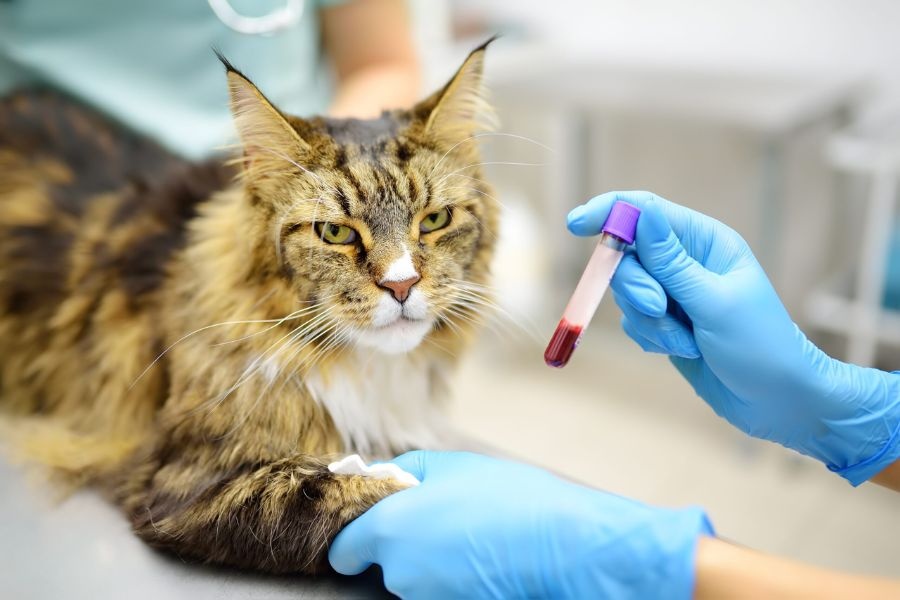
Blood tests, urine analysis, X-rays, and ultrasounds can uncover hidden issues like:
- Kidney or liver dysfunction
- Hormonal imbalances (e.g., thyroid issues)
- Infections
- Cancers
- Heart disease
By identifying these problems early, your veterinarian can begin treatment sooner, improving your pet’s chances for recovery and extending their quality of life.
Accurate Diagnosis of Symptoms
When your pet does show signs of illness—such as vomiting, lethargy, or unusual behavior—diagnostic tests provide the information needed for an accurate diagnosis. Guesswork has no place in veterinary medicine. For example, similar symptoms can point to vastly different conditions. Vomiting could indicate anything from a simple dietary issue to pancreatitis or even an intestinal obstruction.
Using blood work, imaging, or fecal tests, veterinarians can determine the root cause of the issue and tailor a treatment plan that’s both effective and specific to your pet’s needs.
Tailored and Effective Treatment Plans
Another vital reason diagnostic testing is essential is that it allows your veterinarian to create a personalized treatment plan. Without proper diagnostic information, treatments can be hit-or-miss.
For example:
- Antibiotics should only be prescribed when a bacterial infection is confirmed.
- If a pet has a hormone imbalance, treatment requires precise hormone level readings.
- Monitoring organ function helps veterinarians avoid medications that could worsen a condition.
With accurate data from tests, your vet can choose the most appropriate and least invasive treatments, reducing recovery time and improving outcomes.
Monitoring Ongoing Health Conditions
If your pet has a chronic condition like diabetes, kidney disease, or arthritis, diagnostic testing becomes part of ongoing care. Regular blood tests and imaging help your vet track the progression of the disease and determine whether treatments need to be adjusted.
Consistent monitoring ensures:
- Medications are working effectively
- Side effects are managed
- Your pet’s comfort and health are maximized
These follow-up diagnostics are key to helping your pet live a longer and more comfortable life, even with chronic illness.
Health Screenings for Senior Pets
As pets age, their health needs evolve. Diagnostic testing becomes even more crucial for senior pets, who are more vulnerable to diseases like cancer, organ failure, or arthritis.
Annual or semi-annual health screenings can:
- Detect age-related diseases early
- Establish baseline health data
- Guide preventive care strategies
Through proactive testing, you and your vet can address age-related issues before they become life-threatening.
Pre-Anesthetic Testing and Surgical Safety
Before any surgical procedure—even routine ones like spaying or neutering—your vet will likely recommend pre-anesthetic blood work. This test checks for conditions that could complicate anesthesia, such as anemia, clotting disorders, or impaired liver/kidney function.
With this information, your veterinary team can make informed decisions and ensure your pet’s safety during surgery.
In conclusion, diagnostic testing is essential for your pet’s health. It allows for early detection of disease, supports accurate diagnoses, and enhances preventive care. Whether your pet seems perfectly healthy or shows subtle signs of illness, routine testing provides peace of mind and empowers your veterinarian to deliver the best care possible.
If you’re looking for veterinary diagnostic care in Levittown, NY, choose a veterinary clinic that prioritizes comprehensive diagnostics—like Levittown Animal Hospital. Their experienced team uses state-of-the-art technology to detect, treat, and manage health conditions before they become serious.
Investing in diagnostic testing today could save your pet’s life tomorrow—and give you peace of mind every day in between.