We’re excited to meet you! New clients receive their first pet exam for just $37


Teeth Chattering in Pets: Hidden Signs of Dental Disease Pet Owners Should Never Ignore

Pets cannot tell us when their teeth hurt. Instead, they often communicate discomfort through small changes in everyday behavior. A dog that suddenly drops kibble while eating or a cat that chatters its jaw after taking a bite may be showing signs of an underlying dental problem. These behaviors can seem harmless at first, but they may indicate gingivitis, periodontal disease, or another painful oral health condition.
For pet owners in Levittown, recognizing these subtle warning signs is an important part of responsible pet dental care. Teeth chattering, excessive drooling, and yellow or brown buildup near the gumline should not be dismissed as ordinary aging or picky eating. Understanding what these changes mean can help you seek veterinary attention before dental disease progresses and affects your pet’s comfort.
Why Teeth Chattering Can Signal Dental Discomfort
Teeth chattering is a quick, repetitive movement of the jaw that may occur when a pet opens and closes its mouth rapidly. While occasional jaw movements can have different explanations, repeated chattering during meals or when the mouth is touched deserves attention.
In dogs and cats, dental pain may cause the jaw muscles to react when an affected tooth or sensitive area is stimulated. A pet may chatter its teeth after chewing, when food touches an inflamed gumline, or while attempting to avoid pressure on a painful tooth.
Possible underlying causes include:
- Gingivitis, which causes inflammation and redness along the gums.
- Periodontal disease, which damages the tissues supporting the teeth.
- Fractured or damaged teeth that expose sensitive inner structures.
- Tooth resorption, a condition in which the body gradually breaks down a tooth.
- Oral infections or painful lesions around the teeth and gums.
Teeth chattering alone does not confirm dental disease. However, when it appears alongside eating changes, drooling, or sensitivity around the mouth, a veterinary dental examination is a sensible next step.
Dropping Kibble and Chewing Differently Are Important Clues
One of the easiest ways to notice dental discomfort is to observe how your pet eats. Dogs and cats with painful teeth may approach their food normally but struggle once they begin chewing.
You might notice your pet picking up kibble and dropping it repeatedly, swallowing food with little chewing, or taking unusually long to finish a meal. Some pets begin chewing on only one side of the mouth to avoid an uncomfortable tooth.
Cats may show a preference for softer food, while dogs may suddenly lose interest in hard treats or chew toys. A pet might also move food around the bowl, hesitate before biting, or walk away after taking a few mouthfuls.
These changes are not always caused by dental disease. Digestive problems, nausea, and other health concerns can also affect eating habits. Still, persistent changes in chewing should not be ignored, especially when accompanied by other signs of oral discomfort.
Excessive Drooling and Yellow Buildup Near the Gums
Drooling can occur for several reasons, but a noticeable increase in saliva may indicate oral irritation or pain. Pets with inflamed gums, infected teeth, or oral injuries may produce more saliva than usual.
Look for wet fur around the mouth, saliva on bedding, or repeated lip licking. Some cats may also develop difficulty keeping their mouths comfortable when an affected tooth is touched by the tongue.
Another warning sign is yellow or brown crust-like buildup near the gumline. This may be hardened plaque known as tartar, also called dental calculus. It forms when plaque accumulates on the teeth and mineralizes over time.
Tartar can create a rough surface where additional plaque collects. The gums may become red, swollen, or prone to bleeding. A strong odor from the mouth may also develop, although noticeable bad breath is not always present in pets with dental disease.
Do not attempt to scrape hardened tartar from your pet’s teeth at home. This can injure the gums and does not address bacteria or disease beneath the gumline.
Understanding Gingivitis and Periodontal Disease
Gingivitis is inflammation of the gums, commonly caused by plaque bacteria accumulating along the gumline. Early signs include redness, swelling, tenderness, and occasional bleeding.
At this stage, the condition may be reversible with appropriate professional dental cleaning and consistent home care. However, if plaque and inflammation remain untreated, the disease can progress into periodontitis.
Periodontal disease affects the structures that hold teeth in place, including the periodontal ligament and surrounding bone. As these tissues deteriorate, teeth may become loose and painful. Advanced disease can eventually lead to tooth loss.
Dogs and cats can develop periodontal disease even when their owners provide good food, regular exercise, and a comfortable home. Breed, age, tooth alignment, and individual oral health can influence risk. Small-breed dogs and some cats may be particularly prone to dental problems.
Regular veterinary examinations help identify gum inflammation and other changes before they become more advanced.
How Oral Bacteria Can Affect Your Pet’s Overall Health
Dental disease is not limited to the mouth. When periodontal tissues become inflamed, bacteria and inflammatory substances may enter the bloodstream through damaged gum tissue.
Oral bacteria have been associated with changes affecting organs such as the heart, liver, and kidneys. Bacteria may also be aspirated into the respiratory tract, potentially contributing to respiratory problems involving the lungs.
The relationship between periodontal disease and systemic illness is complex. Not every pet with dental disease will develop organ complications, and the presence of oral bacteria does not automatically mean an organ has been damaged. However, chronic oral inflammation is a health concern that deserves attention beyond appearance or breath odor.
Maintaining oral health is therefore about more than keeping teeth clean. It is also part of supporting your pet’s overall well-being.
What Happens During a Professional Pet Dental Examination?
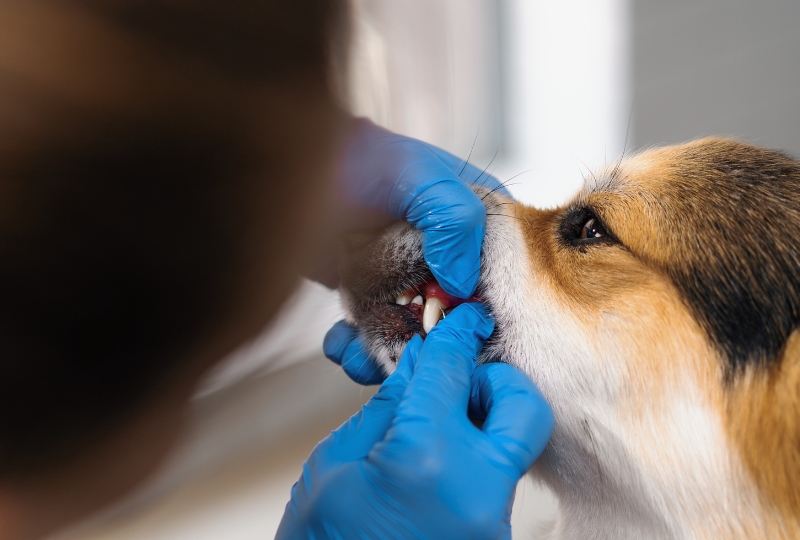
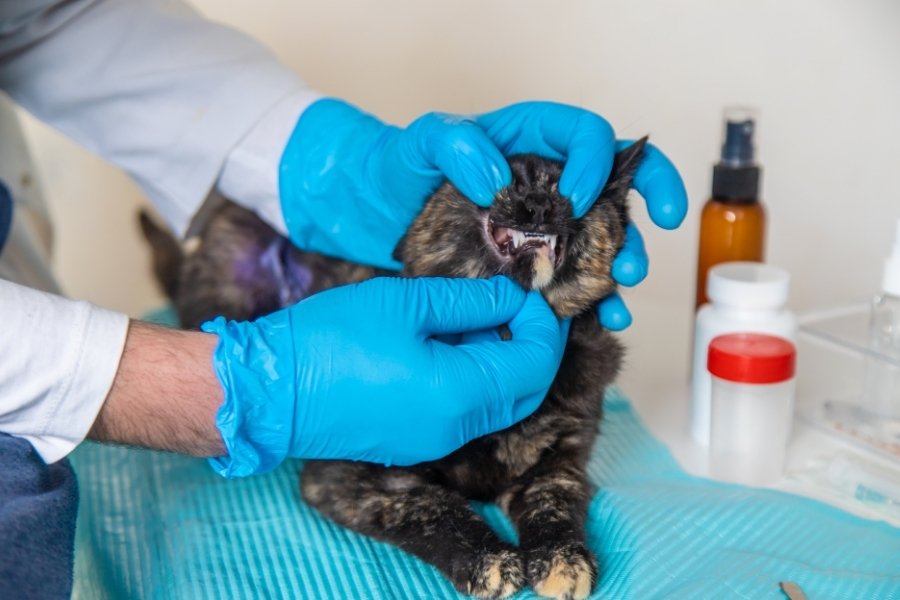
A veterinary dental examination helps determine whether unusual eating behavior or teeth chattering is related to oral disease. The veterinarian will review your pet’s symptoms, medical history, and eating habits before examining the teeth and gums.
A thorough assessment may require anesthesia, allowing the veterinary team to examine the entire mouth, clean the teeth above and below the gumline, and obtain dental X-rays when appropriate. Dental radiographs can reveal problems beneath the gums, including bone loss, root changes, and hidden infections.
If periodontal disease is present, treatment depends on its severity. Professional cleaning may help manage early gingivitis, while advanced disease may require additional treatment or extraction of severely affected teeth.
The goal of pet dentistry is to identify the source of discomfort, manage infection and inflammation, and preserve healthy teeth whenever possible.
Simple Ways to Support Better Pet Dental Care at Home
Professional dental care and home routines work together to support long-term oral health. While brushing cannot reverse advanced periodontal disease, consistent habits can help reduce plaque buildup.
Consider these practical steps:
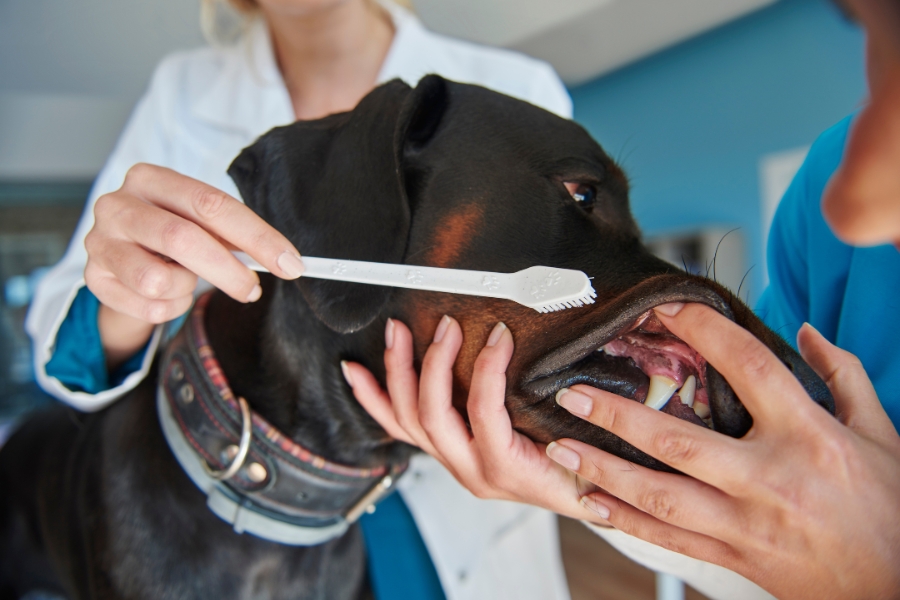
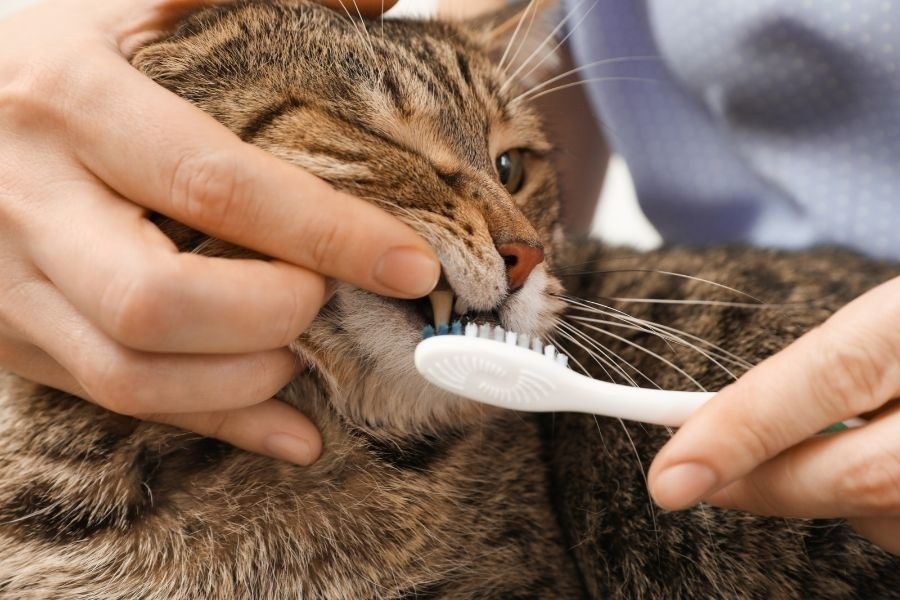
- Brush your pet’s teeth regularly using a toothbrush and toothpaste specifically designed for pets.
- Introduce brushing gradually, allowing your dog or cat to become comfortable with mouth handling.
- Ask your veterinarian about dental diets, chews, and products suitable for your pet.
- Check the visible teeth and gums periodically for redness, swelling, discoloration, or unusual buildup.
- Watch for changes in chewing, drooling, appetite, and behavior.
- Schedule routine veterinary dental assessments rather than waiting for obvious symptoms.
Never use human toothpaste for pets, as some ingredients can be harmful if swallowed. If your pet resists mouth handling or shows signs of pain, do not force brushing. Arrange a professional assessment first.
Protect Your Pet’s Smile with Levittown Animal Hospital
Teeth chattering, dropping kibble, excessive drooling, and yellow buildup near the gums may seem like minor changes, but they can be early signs of dental discomfort. Recognizing these behaviors and seeking veterinary guidance can help identify gingivitis and periodontal disease before they progress to advanced tissue damage or tooth loss.
If your dog or cat has developed unusual eating habits or sensitivity around the mouth, contact Levittown Animal Hospital in Levittown. Schedule a dental evaluation to discuss your concerns and learn which pet dentistry options may be appropriate. Taking action early can help protect your pet’s oral health, comfort, and quality of life.
Frequently Asked Questions
Q1. Why does my dog chatter its teeth while eating kibble?
Ans: Teeth chattering during meals may occur because chewing stimulates a painful or sensitive area in the mouth. Dental disease, gum inflammation, damaged teeth, or other oral conditions may be responsible. A veterinary examination can help identify the cause.
Q2. Can cats have dental disease without bad breath?
Ans: Yes. Cats can develop gingivitis, periodontal disease, and other painful dental conditions without noticeable bad breath. Changes such as dropping food, chewing on one side, drooling, or avoiding hard food may be more noticeable early clues.
Q3. What does yellow or brown buildup near my pet’s gumline mean?
Ans: Yellow or brown buildup may be tartar, which forms when plaque hardens on the teeth. It can contribute to gum inflammation and periodontal disease. A veterinary dental cleaning may be needed to remove established tartar safely.
Q4. Can periodontal disease affect my pet’s heart, liver, or kidneys?
Ans: Oral bacteria and chronic inflammation have been associated with effects beyond the mouth, including concerns involving the heart, liver, and kidneys. The relationship is complex, but managing dental disease supports your pet’s overall health.
Q5. Can brushing my pet’s teeth cure periodontal disease?
Ans: Brushing helps control plaque and supports ongoing oral hygiene, but it cannot reverse advanced periodontal damage or remove hardened tartar beneath the gumline. Professional veterinary dental treatment may be necessary before starting a home care routine.