We’re excited to meet you! New clients receive their first pet exam for just $37



Dog Dental Care 101: How to Care for Your Dog’s Teeth

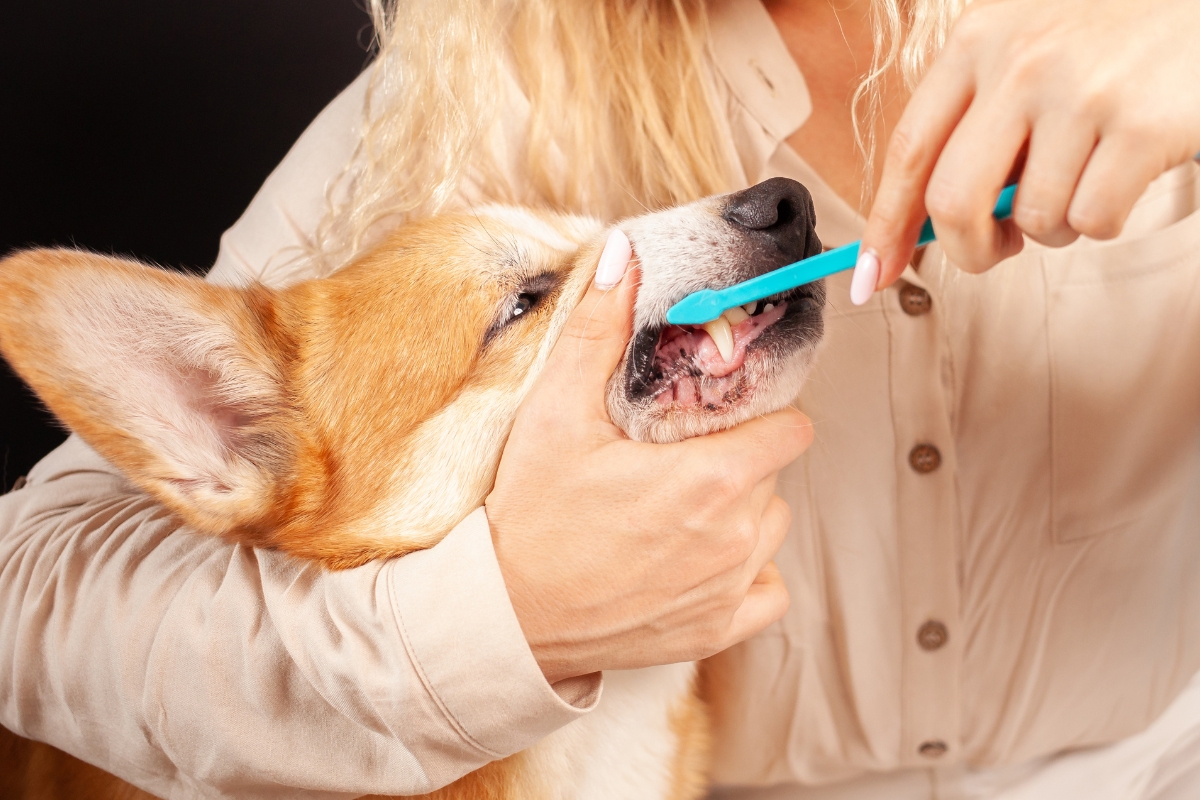
Just like humans, dogs need proper dental care to maintain good health and quality of life. While it’s easy to focus on food, grooming, and exercise, your dog’s teeth often go overlooked. Unfortunately, this neglect can lead to dental disease, pain, and even life-threatening infections.
In this guide, we’ll cover everything you need to know about dog dental care—from brushing techniques to warning signs of dental problems. With a proactive approach, you can help your furry friend enjoy a healthier, happier life.
Why Dog Dental Care Matters
To begin with, poor dental hygiene doesn’t just affect your dog’s mouth. In fact, bacteria from dental infections can enter the bloodstream and damage the heart, kidneys, and liver. Moreover, untreated dental issues can cause chronic pain and difficulty eating.
According to the American Veterinary Medical Association (AVMA), over 80% of dogs show signs of dental disease by the age of three. Therefore, starting dental care early—and maintaining it consistently—is crucial.
How to Brush Your Dog’s Teeth
Brushing your dog’s teeth is the single most effective way to prevent plaque buildup and gum disease. Follow these steps to get started:
1. Choose the Right Supplies
- Use a dog-specific toothbrush with soft bristles.
- Pick a toothpaste made for dogs. (Never use human toothpaste—it can be toxic to pets.)
2. Get Your Dog Comfortable
Start by letting your dog sniff and taste the toothpaste. Gently rub your finger along their gums and teeth to get them used to the sensation.
3. Use a Circular Motion
Gently brush in a circular motion, focusing on the outer surfaces of the teeth and along the gum line. Most dental disease starts here.
4. Keep Sessions Short and Positive
At first, aim for a few seconds and gradually build up to 30–60 seconds per side. Use treats and praise to create a positive association.
Ideally, you should brush your dog’s teeth daily, but even 2–3 times a week can make a big difference.
Dental Treats and Chew Toys
If brushing every day isn’t realistic, don’t worry—there are helpful alternatives that can supplement dental care:
- Dental chews: These are designed to reduce plaque and tartar while your dog chews.
- Chew toys: Look for toys approved by the Veterinary Oral Health Council (VOHC).
- Dental water additives: These can be added to your dog’s water bowl to help control bacteria.
However, these options should not replace brushing, but they can help support oral health between cleanings.
Professional Dental Cleanings
Even with the best at-home care, your dog may still need professional dental cleanings. These are performed under anesthesia and involve:
- Scaling to remove plaque and tartar
- Polishing teeth
- Thorough gum inspection
- X-rays (in some cases)
Your vet may recommend cleanings once a year, depending on your dog’s age, breed, and dental health.
Signs of Dental Problems in Dogs
It’s important to watch for signs of dental issues. Early detection can prevent more serious health problems. Here’s what to look for:
- Bad breath
- Red, swollen gums
- Yellow or brown tartar buildup
- Drooling or pawing at the mouth
- Difficulty eating or chewing
- Loose or missing teeth
If you notice any of these symptoms, schedule a veterinary check-up right away.
Establishing a Dental Care Routine
Consistency is key when it comes to dog dental care. Here’s a simple weekly routine to follow:
- Daily: Brush your dog’s teeth or offer dental chews
- Weekly: Inspect your dog’s mouth and gums for changes
- Monthly: Use dental rinses or water additives
- Annually: Schedule a vet dental exam or cleaning
In addition, always tailor your dog’s routine to their specific needs and comfort level.
A healthy mouth leads to a healthier dog. With regular brushing, the right products, and annual checkups, you can help your pet avoid painful and costly dental problems.
If you’re searching for dog dental care in Levittown, NY, make sure to choose a trusted veterinarian who understands your dog’s unique needs. Levittown Animal Hospital offers personalized advice and professional cleanings to ensure your furry friend stays happy and healthy.
FAQs
Q1. How often should I brush my dog’s teeth?
Ans. Ideally, you should brush your dog’s teeth daily. However, 2-3 times a week is a good starting point if daily brushing isn’t possible.
Q2. What kind of toothpaste is safe for dogs?
Ans. Always use toothpaste specifically made for dogs. Human toothpaste can contain xylitol and fluoride, which are toxic to pets.
Q3. Can dental treats replace brushing?
Ans. Dental treats help reduce plaque, but they shouldn’t replace brushing. Use them as part of a comprehensive dental care routine.
Q4. At what age should I start brushing my dog’s teeth?
Ans. Start as early as possible—even when your dog is a puppy. This helps them get used to the process and builds good habits early on.
Q5. Is bad breath in dogs normal?
Ans. Occasional bad breath is common, but a persistent odor can signal dental disease. It’s best to have it checked by a vet.
Q6. Do small dogs need more dental care?
Ans. Yes, small breeds are more prone to dental issues due to the size and alignment of their teeth. They often require more frequent cleanings.